Angola
Science Granting Council
Summary
The Foundation for Scientific and Technological Development (FUNDECIT) is Angola’s public foundation for science, technology and innovation. Created in 2021, it supports the implementation of national science, technology and innovation policies, manages public and extra-budgetary funding for research and development, and contributes to the evaluation and accreditation of research and technological development institutions within Angola’s national science, technology and innovation system.
Council details
The Foundation for Scientific and Technological Development (FUNDECIT) is Angola’s national public body for supporting science, technology and innovation. Established in 2021, FUNDECIT is a public foundation with legal personality and administrative, financial and patrimonial autonomy. It plays an important role in strengthening Angola’s research and innovation system.
FUNDECIT’s mission is to help implement Angola’s science, technology and innovation policies and to manage financial resources for scientific research and development. These resources include funding from Angola’s State Budget, as well as funding mobilised from other sources. FUNDECIT also supports the evaluation and accreditation of institutions dedicated to scientific research and technological development within Angola’s National Science, Technology and Innovation System.
Strengthening Angola’s research and innovation system
FUNDECIT’s work is guided by Angola’s wider policy and legal framework for science, technology and innovation. This includes its Organic Statute, approved by Presidential Decree No. 178/21 of 16 July, as well as national policy instruments covering science, technology, innovation and the organisation of Angola’s national research system.
Through its funding and institutional development role, FUNDECIT supports research and development activities that respond to national priorities. Recent funding activity includes calls for scientific research projects and institutional development support, with separate funding routes for different types of research projects.
A member of the SGCI since 2025
Angola officially joined the Science Granting Councils Initiative (SGCI) in 2025. SGCI announced Angola and Togo as new members at the All Partners Forum in Accra, Ghana, on 15 September 2025.
For Angola, membership began in 2023, when the country was invited to attend SGCI’s annual meeting in Mombasa, Kenya. Madalena Castelo Branco, head of the director general’s office at FUNDECIT, described SGCI membership as a strategic milestone for strengthening institutional capacity, improving access to funding, and creating opportunities for Angolan researchers to collaborate regionally and internationally.
Building regional partnerships
As part of its engagement with SGCI, FUNDECIT has participated in peer-learning activities aimed at strengthening research management and funding systems across Sub-Saharan Africa. A FUNDECIT delegation participated in the second SGCI Peer Learning Visit in Pretoria, South Africa, held from 26 to 29 August 2025.
FUNDECIT has also pursued bilateral cooperation with South Africa’s National Research Foundation. In August 2025, a delegation led by Director General Mário Fresta attended the NRF Awards ceremony in Johannesburg and concluded negotiations on a memorandum of understanding with the NRF. The agreement lays the groundwork for future scientific cooperation between Angola and South Africa.
Recognising Angolan science and innovation
FUNDECIT also supports national recognition of research and innovation through Angola’s National Science and Innovation Prize. The 2026 edition, the third edition of the prize, includes eight categories covering scientists, inventors, innovators, women scientists, young scientists, young innovators, young inventors, and researchers with established careers.
The prize reflects FUNDECIT’s wider role in supporting Angola’s research community, encouraging innovation, and raising the visibility of scientific achievement.
Impact we’re having

Stories of change
Low-tech health app engages
Five years after its launch, PENSA – a mobile app developed in Mozambique— has been accessed by…
SGCI funded projects
Sorry, we couldn't find any posts. Please try a different search.


Related News
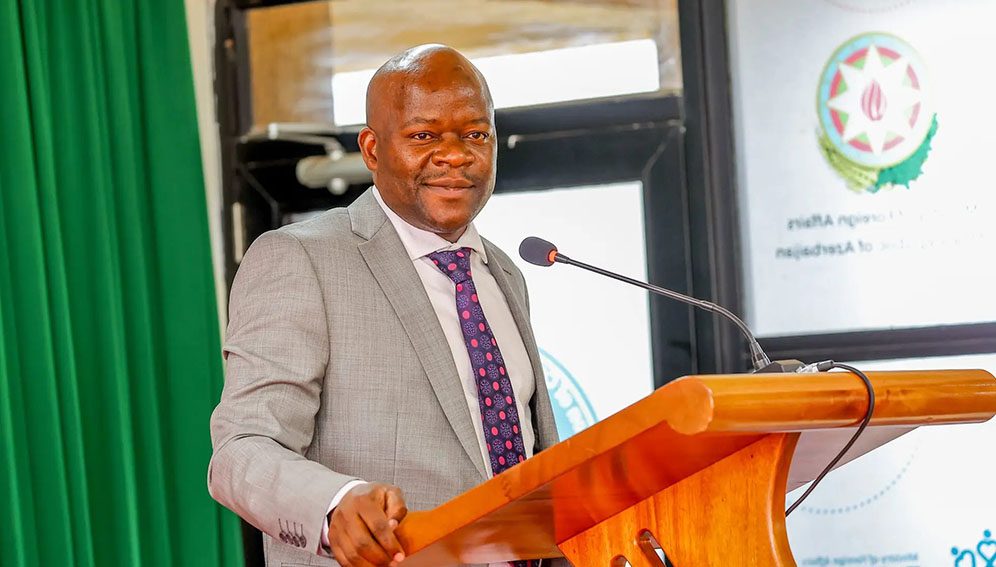
NRF champions science, climate action and youth empowerment
Kenya’s National Research Fund (NRF) is strengthening efforts to connect scientific research, innovation and youth participation with practical responses to climate and environmental challenges. NRF chief executive officer Dickson Andala represented the fund at the launch of the Climate Policy and Advocacy Training – Cohort…
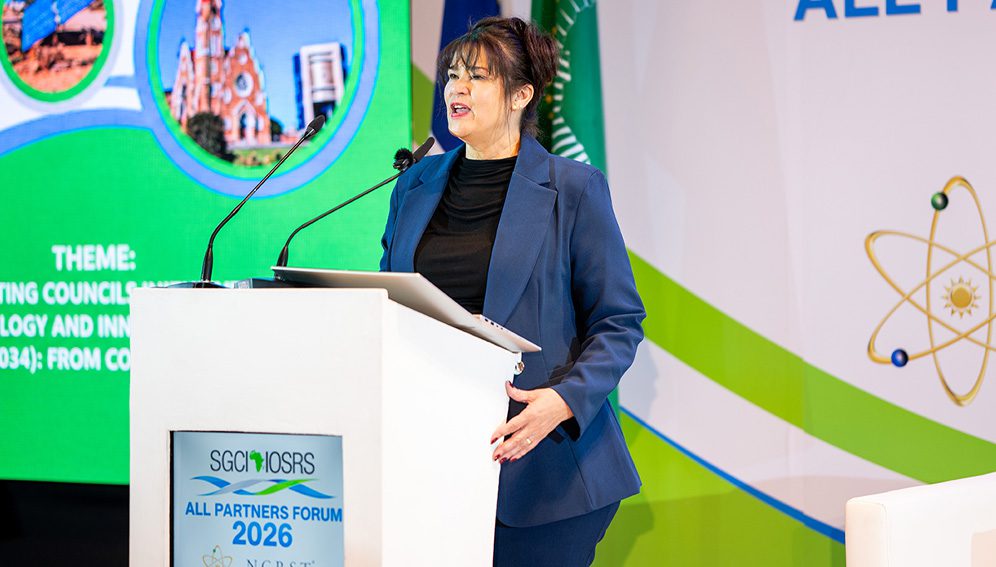
Windhoek Declaration: African science funders pledge to act as one
Science granting councils say Africa’s research systems need African ownership, steadier funding and less fragmentation. Here is what they agreed in Windhoek. African science granting councils adopted a collective declaration in Windhoek, Namibia, on 1 October 2026, as part of the Science Granting Councils Initiative…
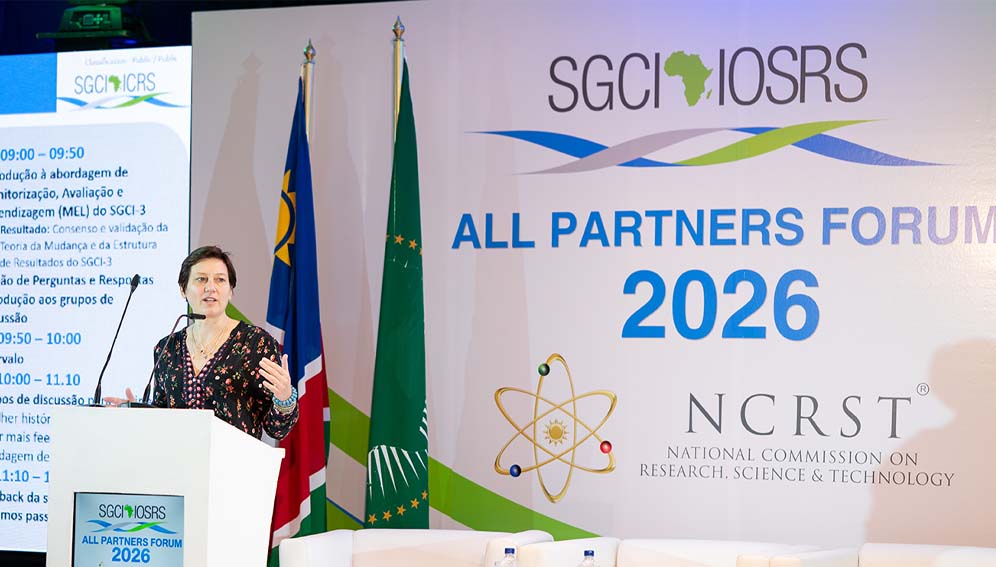
Africa’s science councils urged to turn pledges into real impact
[NAMIBIA] African countries must strengthen collaboration, invest in research and scientists, and take greater ownership of science, technology and innovation if research is to deliver lasting development impact, participants at the 2026 Science Granting Councils Initiative (SGCI) All Partners Forum have said. The call came…