
South Africa
Science Granting Council
Summary
The National Research Foundation (NRF) is South Africa’s national public agency for research funding, researcher development, national research facilities and public engagement with science. Created under the National Research Foundation Act No. 23 of 1998, and operational from 1 April 1999, the NRF supports the advancement of knowledge, innovation and development across all fields of science and technology, including indigenous knowledge.
Council details
The National Research Foundation (NRF) is South Africa’s principal public agency for supporting research, developing research capacity, providing access to national research facilities and promoting public engagement with science. Its mandate is to support and promote research through funding, human resource development and the provision of research facilities, with the broader aim of contributing to knowledge, innovation and improved quality of life in South Africa.
Strengthening South Africa’s research and innovation system
The NRF plays a central role in South Africa’s national science, technology and innovation system. It funds research, supports postgraduate and researcher development, strengthens research infrastructure, and promotes public awareness and engagement with science.
Through its Research, Innovation, Impact Support and Advancement division, the NRF supports research and human capacity development across disciplines. It also enables researchers to access national research infrastructure platforms, including specialist facilities and capabilities that are essential for high-quality research.
The NRF’s science engagement role helps connect research with society. By supporting public awareness of science and creating opportunities for dialogue between researchers and wider audiences, the NRF contributes to a stronger relationship between science, policy and the public.
A founding participant in SGCI
South Africa has played a distinctive role in the Science Granting Councils Initiative (SGCI). Established in 2015, SGCI works to strengthen science-granting councils and address systemic challenges affecting research funding and science systems in Sub-Saharan Africa.
Building regional partnerships
As part of its engagement with SGCI, FUNDECIT has participated in peer-learning activities aimed at strengthening research management and funding systems across Sub-Saharan Africa. A FUNDECIT delegation participated in the second SGCI Peer Learning Visit in Pretoria, South Africa, held from 26 to 29 August 2025.
The NRF has been more than a participating council. It played a central role in establishing SGCI and has made significant financial and technical contributions to the initiative. Over the past decade, it has also been the only African science-granting council represented in SGCI’s leadership alongside international donors.
In SGCI’s current phase, the NRF is expected to play an important role in the council-led SGCI Alliance, drawing on its experience in bilateral and multilateral research collaboration, capacity strengthening and aligned funding mechanisms.
Supporting African-led research collaboration
The NRF supports African-led research collaboration through partnerships with other science granting councils and research institutions across the continent. These partnerships help strengthen regional research systems, build institutional capacity and create opportunities for joint research in areas of shared priority.
In 2025, the NRF and Namibia’s National Commission on Research, Science and Technology signed a five-year memorandum of understanding to strengthen research collaboration between South Africa and Namibia. The agreement focuses on joint research initiatives in areas including energy solutions, digital health innovation, sustainable agro-food systems and space science.
The NRF has also contributed to SGCI peer-learning activities. SGCI, in partnership with the NRF and the German Research Foundation, hosted a peer learning visit in Bonn, Germany, from 8 to 10 April. The visit brought together public research funders from 13 African countries to share practices in research and grants management.
Building research management capacity
South Africa’s NRF brings significant technical experience to the wider SGCI network. Its expertise in research funding, grant management, capacity strengthening, research infrastructure and international collaboration makes it an important partner for councils working to improve their own funding systems and institutional operations.
This role is particularly relevant in SGCI’s third phase, which runs from 2026 to 2030 and places stronger emphasis on African-led collaboration, STI policy influence and improved research management across participating councils.
Impact we’re having
Stories of change
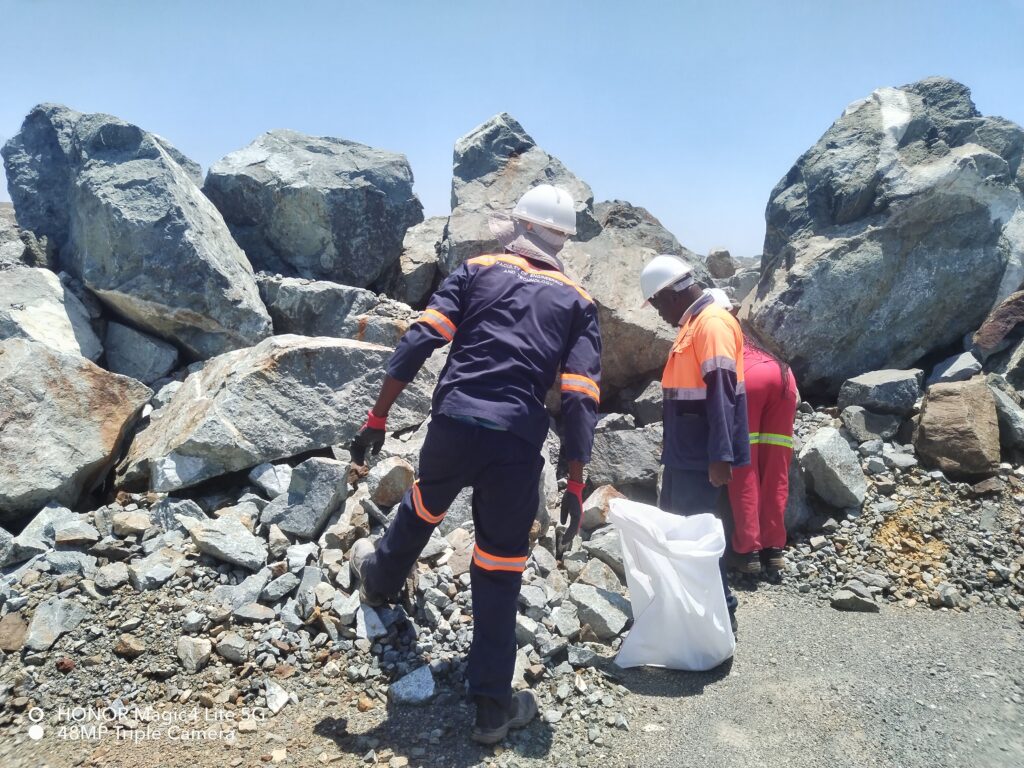
Waste at a Botswana nickel mine may hold battery metals
Researchers say waste material at a Botswana nickel mine contains viable amounts of nickel, cobalt and copper,…
SGCI funded projects
Sorry, we couldn't find any posts. Please try a different search.


Related News
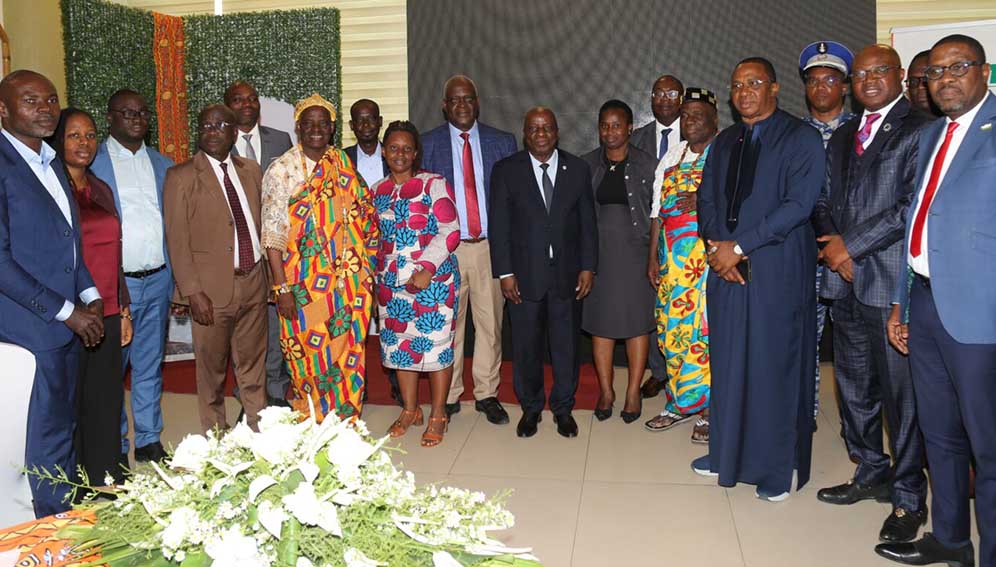
Ivorian researchers develop solutions to illegal gold mining damage
Locally developed technologies for detecting heavy metals in water and restoring contaminated farmland could help Côte d’Ivoire address the environmental and public health consequences of illegal gold mining. Illegal gold mining has affected 29 of Côte d’Ivoire’s 31 regions, threatening water resources, agricultural land and…
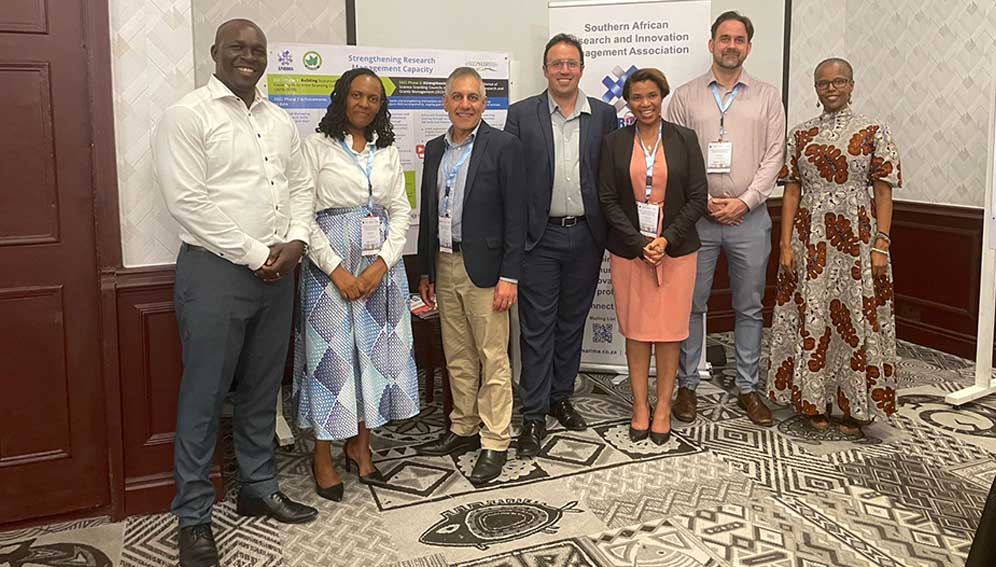
How research management is changing Africa’s science funders
A new grant appeals procedure in Zimbabwe, improved digital grant management in Namibia, and stronger gender inclusion leadership in Zambia are among the institutional changes emerging from efforts to strengthen research management across Sub-Saharan Africa. Theme one of the Science Granting Councils Initiative Phase II…
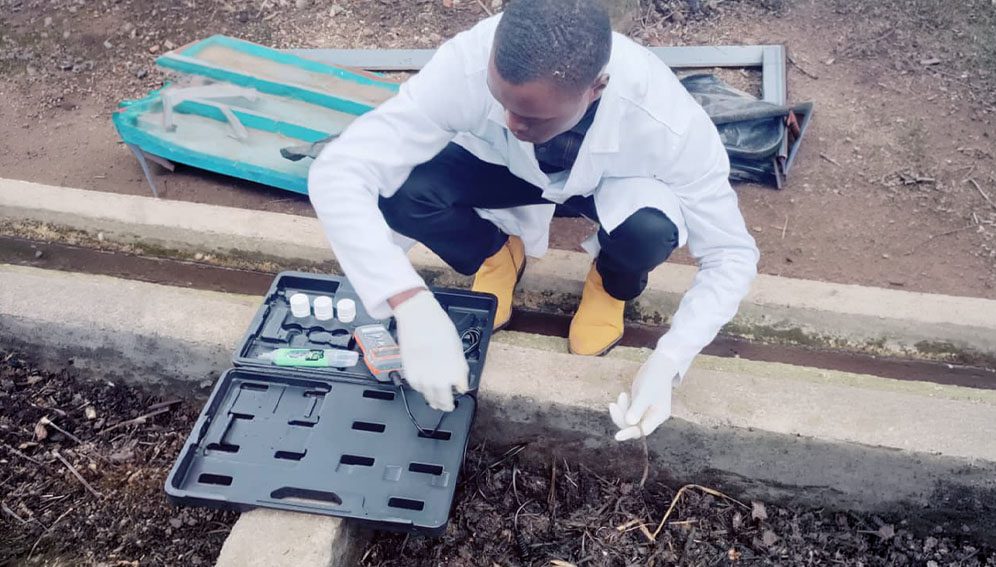
Can Rwanda’s farm waste help restore its depleted soils?
Locally developed vermicompost and biochar show promise for improving crop yields and soil health, but researchers say further testing is needed before wider adoption. The vermicompost process uses tiger worms to break down prepared organic materials into a dark, crumb-like product, while the biochar is…