
SGCI News
[MAUN, BOTSWANA] Could goat’s milk be the answer to Botswana’s milk shortage? Agricultural scientist Ntshepisa Lebetwa believes it could and has been exploring ways of making it even more nutritious,…
- Researchers in Botswana develop goat milk enriched with plant products
- Moringa and marula add to the milk’s vitamin and mineral content
- Upscaling the project could help reduce reliance on dairy imports
[MAUN, BOTSWANA] Could goat’s milk be the answer to Botswana’s milk shortage? Agricultural scientist Ntshepisa Lebetwa believes it could and has been exploring ways of making it even more nutritious, writes Baboki Kayawe.
Botswana’s dairy sector has long been struggling from drought, disease outbreaks, and a shortfall of cattle, leaving the country to rely heavily on imports.
To tackle the problem, Lebetwa, principal researcher at Botswana’s National Agricultural Research and Development Institute (NARDI), has been looking at how goat milk can be enhanced with nutrient-rich plants to create a dairy substitute to fill the gap.
“Presently, we import 80 per cent of our dairy and dairy products from South Africa,” Lebetwa explained.
According to Statistics Botswana, imports of dairy and other related products accounted for 62.7 million pula (US$4.6 million) of Botswana’s import bill in January.
“This huge import bill diverted financial resources that could otherwise have been directed towards local agriculture development and other sectors,” Lebetwa said.
Last year, with funding from the Science Granting Councils Initiative, Lebetwa began work on a project to develop healthier, shelf-stable dairy substitutes and increase local milk production.
“Research has found goat milk to be more nutritious than cow milk,” Lebetwa said.
“We produced pasteurised goat milk, sour milk, cheese varieties, and yoghurt,” he added.
Nutritional value
To further enhance the milk’s nutritional value, the researchers added moringa leaf powder and marula pulp, which are rich in vitamins, minerals and antioxidants. Moringa, which is a source of iron and manganese, also has a high protein content.
The goat milk and by-products can be consumed by elderly people, immune-compromised and lactose-intolerant individuals, according to Lebetwa.
Kebareng Kootshepe Setso, a food scientist who was not involved in the research, said: “Moringa acts as an antioxidant and antimicrobial agent to prevent the activity of deteriorating microorganisms.
“This makes it a greener alternative to artificial additives while also enhancing the nutritional profile of the products.”
Setso said morula pulp and moringa share similar nutritional compositions, though they differ in quantities.
“Using them together creates a synergistic effect that benefits consumers,” she added.
The researchers also sought to address the challenge of limited shelf life, which is a critical issue in Botswana’s dairy sector.
“If a country is able to add value to its foods and prolong their shelf life, it enhances food safety, preserves product quality, and reduces food waste,” explained Lebetwa.
Moringa acts as an antioxidant and antibacterial agent that slows down the deterioration of goat milk, making it safe to drink for longer.
Moringa and morula are both drought-tolerant plants, highly suitable for climate-smart agriculture and ideal for small-holder farmers in Botswana, according to Lebetwa.
As part of the project, the researchers are working with small-holder farmers in the Kgalagadi area of Botswana, who will produce moringa alongside goat milk farms, to maximise sustainability.
“We have already prepared some seedlings to be planted and cared for by beneficiaries alongside goat management,” said Lebetwa.
Investment and resources
Botswana’s President Duma Boko emphasised the importance of investing in food processing industries during his first State of the Nation address in November.
Echoing the president, Lebetwa pointed out that Botswana’s import bill is diverting much-needed financial resources away from local agriculture development and other sectors.
“Depending on imports exposes us to potential disruptions in the supply chain, particularly during geopolitical tensions or trade restrictions,” Lebetwa said.
His project is empowering small-holder farmers in Botswana to establish their own goat milk businesses, providing them with the training and resources they need.
Project beneficiary Lesego Tumelo already has 20 indigenous goat breeds, which she keeps for meat and milk. To help her scale up, she will receive five dairy goats as well as training on developing a goat milk value chain.
“I haven’t been operating as a business, but this project will teach me business skills,” said Tumelo, who hopes to increase supply and sell her products to retailers.
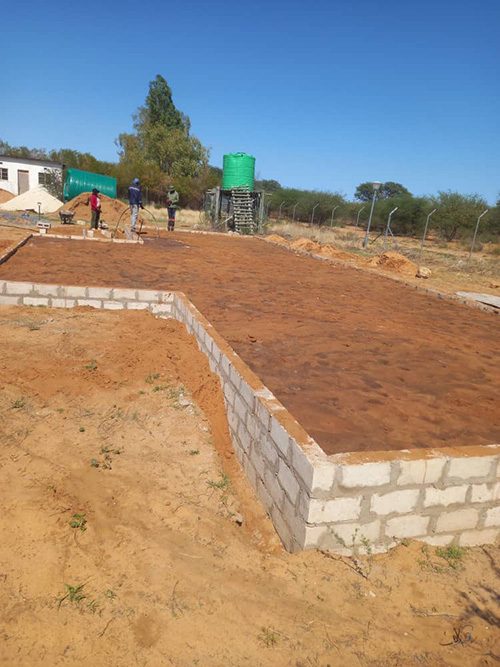
To further scale up the project, Lebetwa and his team have started building infrastructure to house the goats and production machinery.
“The goat pens, holding space, mini milking parlour, and processing plant are undergoing construction at the project site and [we] plan to launch in July 2025,” he said.
Related News
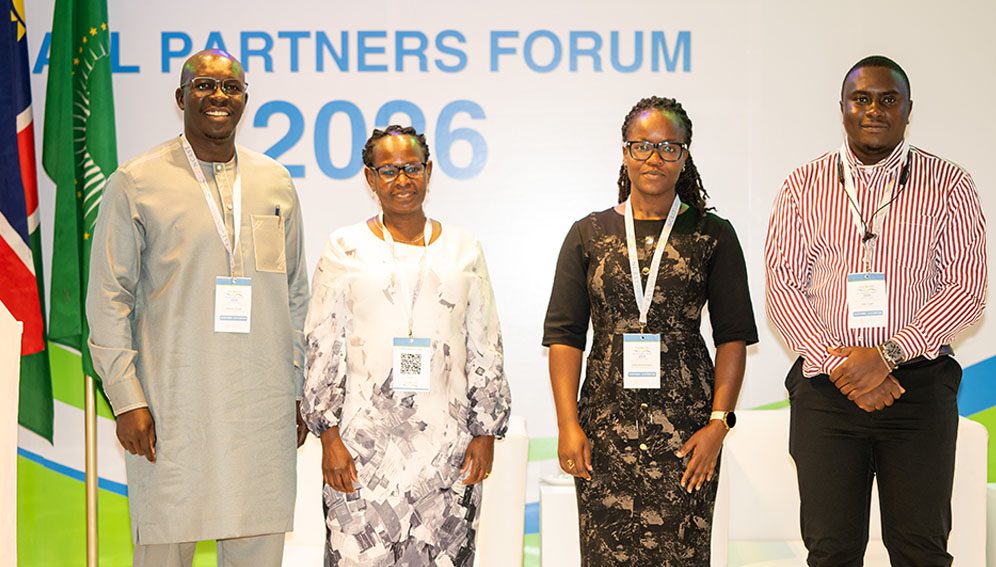
Voices from the SGCI Forum: Building an African-led science system
From calls for African-led research funding to stronger engagement with communities and governments, participants at the 2026 Science Granting Councils Initiative (SGCI) All Partners Forum left Windhoek with a shared sense that Africa’s science and innovation systems are entering a new phase. Held from 28…

NRF champions science, climate action and youth empowerment
Kenya’s National Research Fund (NRF) is strengthening efforts to connect scientific research, innovation and youth participation with practical responses to climate and environmental challenges. NRF chief executive officer Dickson Andala represented the fund at the launch of the Climate Policy and Advocacy Training – Cohort…

Windhoek Declaration: African science funders pledge to act as one
Science granting councils say Africa’s research systems need African ownership, steadier funding and less fragmentation. Here is what they agreed in Windhoek. African science granting councils adopted a collective declaration in Windhoek, Namibia, on 1 October 2026, as part of the Science Granting Councils Initiative…


SGCI funded projects
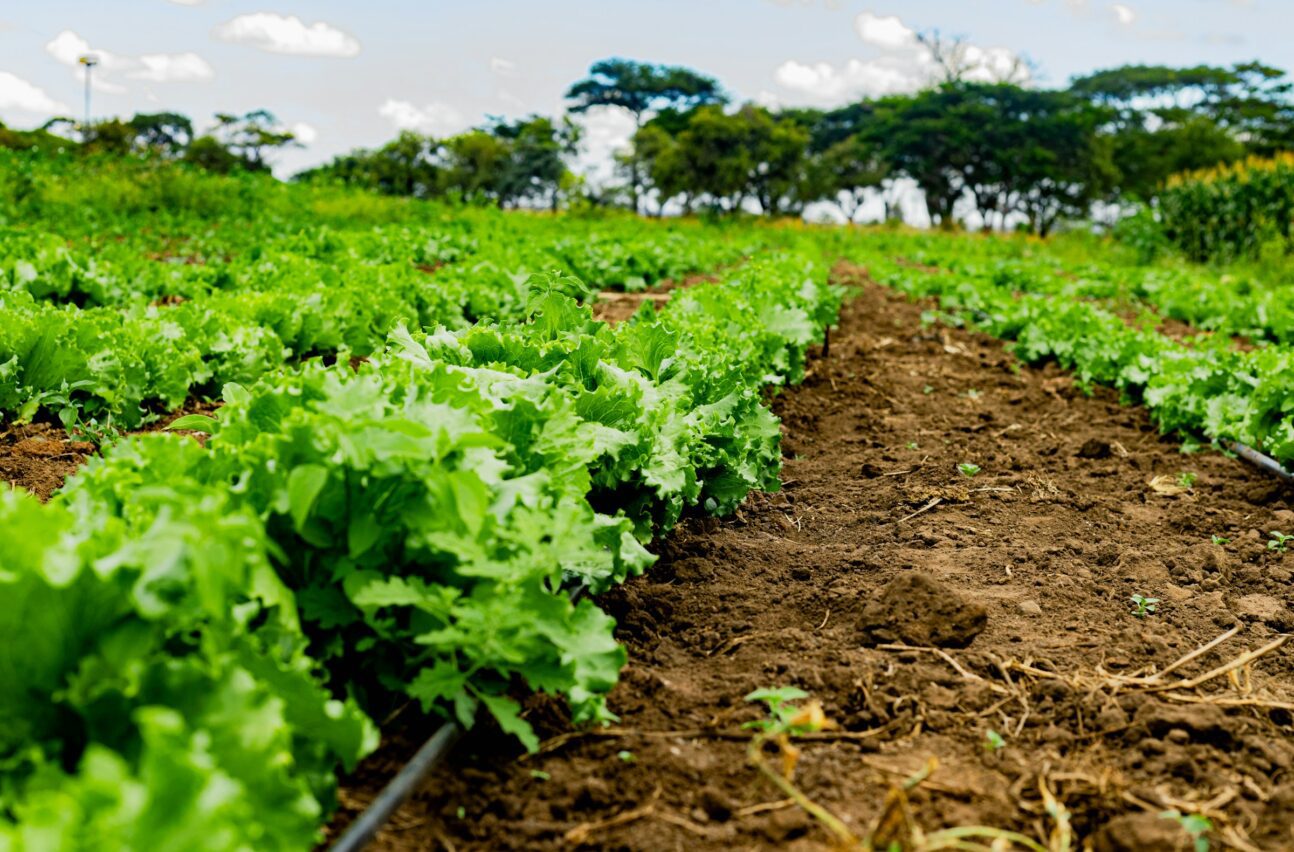
Rwanda’s integrated approach to sustainable agriculture and nutrition
Project Titles & Institution Areas of Research Number of Projects being funded Project Duration Grant Amount In-Kind Distribution Council Collaboration with other councils