SGCI News
Research funding alone cannot fix a research system without investment in people, systems and institutions; this was the central message driving a three-day capacity-strengthening workshop held in The Gambia. The…
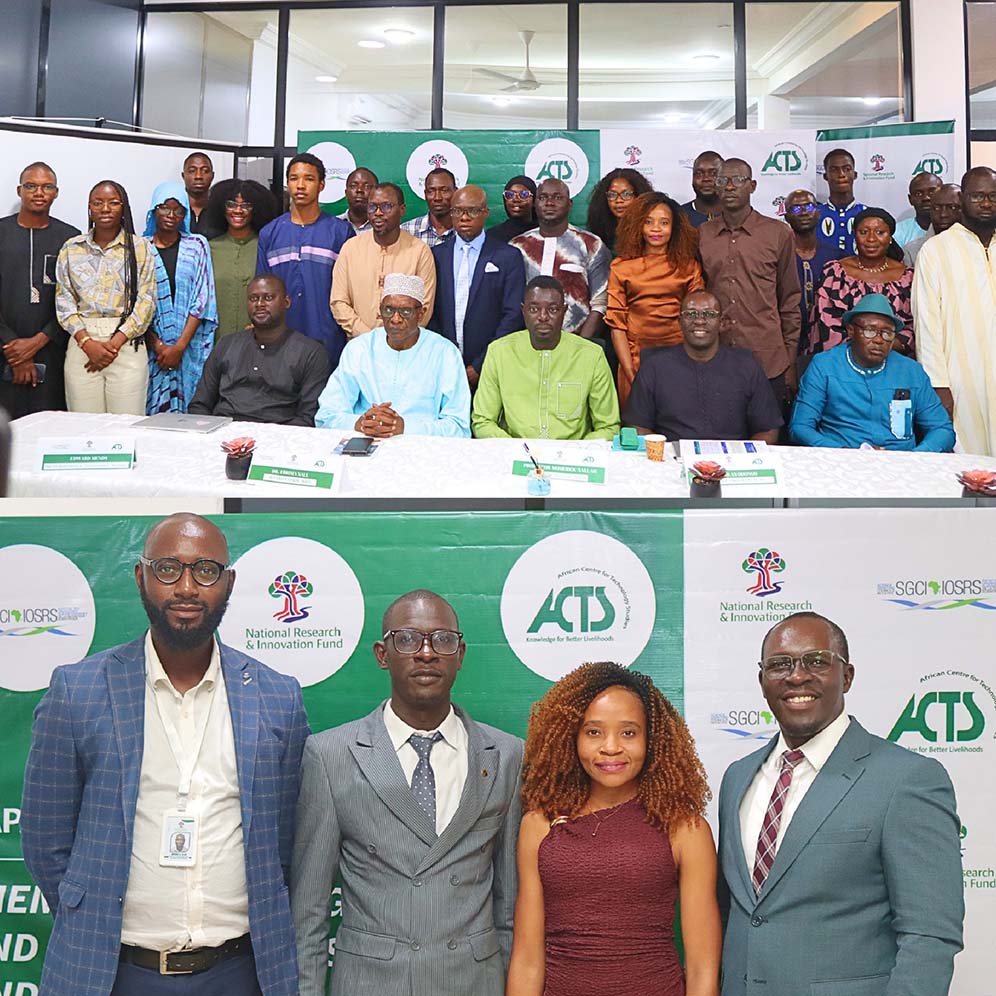
Research funding alone cannot fix a research system without investment in people, systems and institutions; this was the central message driving a three-day capacity-strengthening workshop held in The Gambia.
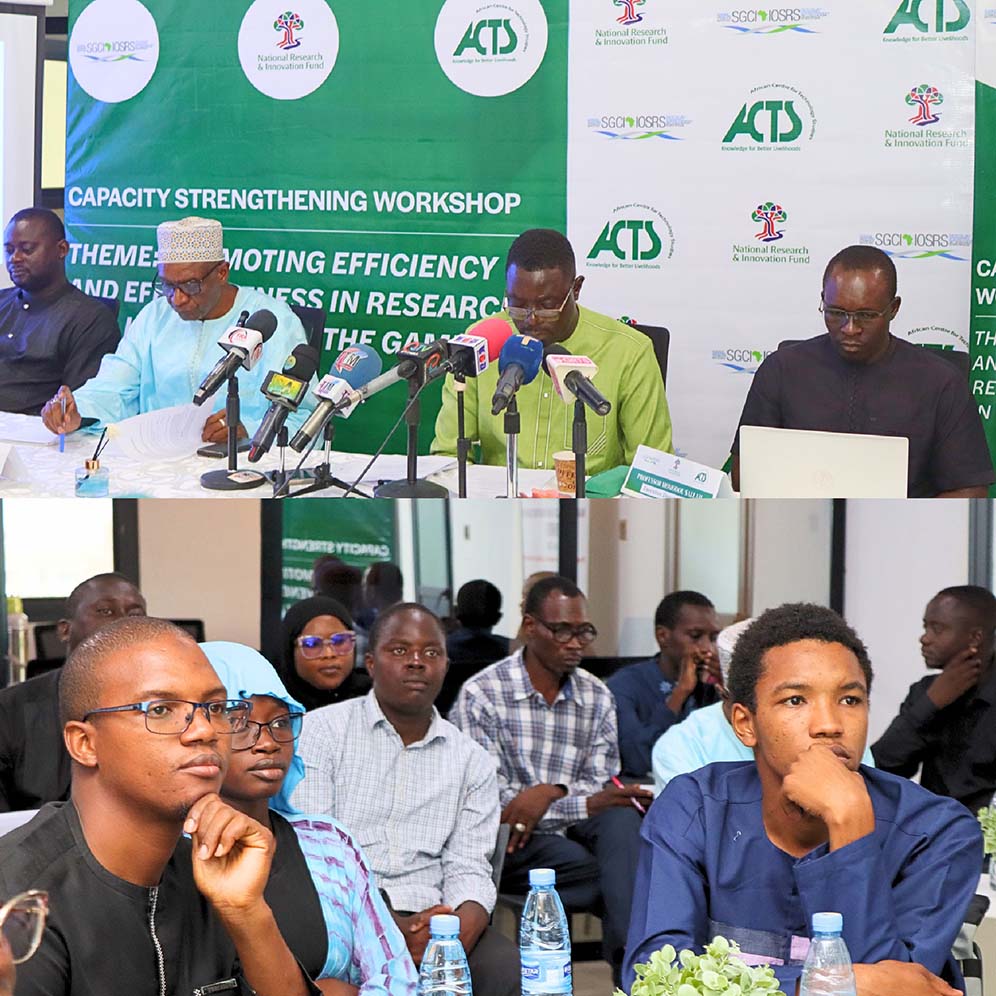
The workshop, held from 4–6 August, was organised by the National Research and Innovation Fund (NRIF) in collaboration with the African Centre for Technology Studies (ACTS), with funding from the Science Granting Councils Initiative (SGCI).
Conversations over the three days went beyond theory, challenging conventional approaches to grants management and unpacking the systemic challenges that can clog the wheels of science, drawing on practical, field-tested lessons from across the continent.
These issues were at the centre of the workshop, which brought together researchers, universities, government institutions, innovation hubs, development partners, civil society and other stakeholders to examine how The Gambia can strengthen its research and innovation funding ecosystem.
For The Gambia, the discussions come as NRIF, established through an Act of Parliament in 2025, develops the systems and structures needed to coordinate national research and innovation financing.
One area attracting attention is the Fund’s approach to long-term sustainability. In addition to its core funding windows, NRIF has established an endowment fund to create a more sustainable source of financing for research and innovation.
The approach was highlighted during the workshop as an example of how a relatively young research funding institution can think beyond short-term grant cycles and explore alternative mechanisms for sustaining investment in science.
The workshop also provided an opportunity for The Gambia to draw on experiences from other African countries. An ACTS team led by Nicholas Odongo, with Kevin Ouko and Eunice Monyenye Omwoyo, shared lessons from across the continent.
“We are not inventing anything. We are just sharing lessons that we have gathered from different parts of the continent,” Odongo told participants.
Rather than focusing solely on theory, the sessions examined practical approaches to some of the challenges that can affect the efficiency and effectiveness of research funding.
Topics included research and innovation frameworks and research synthesis; NRIF’s funding calls and evaluation mechanisms; Good Financial Grants Practice standards; and grants management frameworks.
Participants also explored lessons and practices from the SGCI, including budgeting and work-plan development, digital and online grants management systems, co-funding arrangements, monitoring, evaluation and learning, and project sustainability.
Research translation and knowledge management were also addressed, with sessions led by NRIF’s Lamin Darboe and Sheikh Tijan Njie.
The workshop brought together 53 participants from institutions including the University of The Gambia, the Ministry of Higher Education, Research, Science and Technology, the Ministry of Health, innovation hubs such as Jokkolabs and the Agro Incubator Hub, as well as early-career researchers and other stakeholders. At least 30 percent of participants were women.
The proceedings opened with remarks from Momodou Sallah, Executive Director of NRIF, followed by a statement on behalf of ACTS and SGCI from Odongo. Professor Pierre Gomez, Minister of Higher Education, Research, Science and Technology, delivered the keynote address.
The workshop aimed to strengthen national capacity in research and innovation funding and grants management, encourage collaboration and knowledge-sharing across the research and innovation ecosystem, and improve the transparency and impact of research investment in The Gambia.
It also sought to strengthen NRIF’s role as the country’s leading institution for coordinating research and innovation financing.
Closing remarks reiterated that strengthening research funding requires investment not only in money, but in people, systems and institutions. Organisers noted that a report capturing recommendations and action points, along with policy briefs, would follow to guide next steps for NRIF and its partners.
A partnership model for Africa’s shared priorities
The SGCI–STISA 2034 Multilateral Research Call recognises that Africa’s research priorities are interconnected. Its five priority areas- health, agriculture and food systems, artificial intelligence and digital technologies, energy, and environment and climate resilience reflect challenges where knowledge and solutions can benefit from collaboration across borders.
For researchers, it is an opportunity to build partnerships that can generate broader evidence, combine African expertise, and contribute to solutions with relevance beyond a single country.
The Call is supported through a partnership of African Science Granting Councils, the International Development Research Centre (IDRC), the Government of Norway, the UK’s Foreign, Commonwealth & Development Office (FCDO), and Wellcome.
Expressions of interest for the SGCI–STISA 2034 Multilateral Research Call must be submitted by September 25, 2026, at 23:59 EDT.
Researchers and institutions can explore the call requirements, access the matchmaking resources, and reach the application portal through the official landing page: https://call.sgci.africa/.
Please check out the stories and let us know what you think. We would love to hear from you!
Let’s continue the conversation on our social media
Published on 20 August 2026By Jackie Opara-Fatoye
Related News
Councils urged to take ownership of SGCI-3 as forum turns to systems
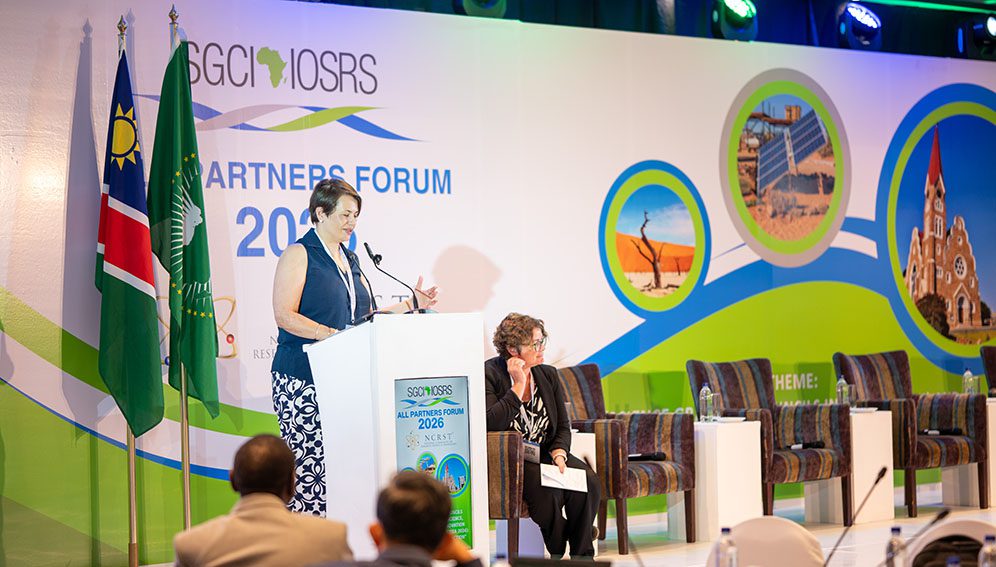
[NAMIBIA]Science Granting Councils have been urged to take greater ownership of the third phase of the Science Granting Councils Initiative (SGCI-3), as partners turned their attention to the institutional systems and partnerships needed to translate the initiative’s ambitions into results. The call came during Day…
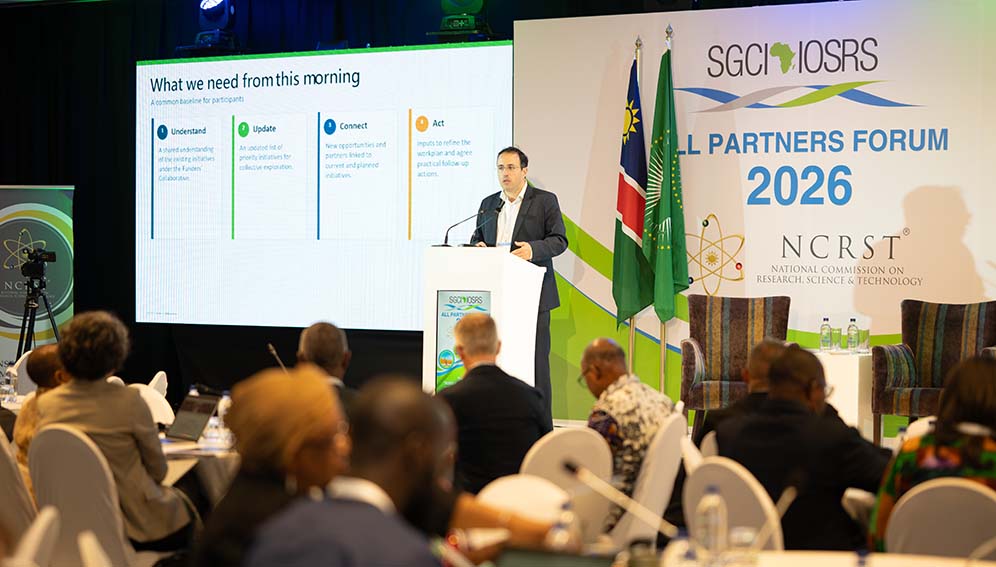
SGCI All Partners Forum highlights Africa’s research funding needs
[NAMIBIA] African science granting councils are examining their reliance on international research funding as a new dashboard reveals the flow of science, technology and innovation (STI) funding into Africa. More than 170 delegates from across the world are attending the 2026 Science Granting Councils Initiative…
](https://sgciafrica.org/wp-content/uploads/2026/09/Windhoek.jpg)
Namibia’s role in advancing Africa’s science, technology, and innovation agenda
From commitment to action – Namibia and the SGCI All Partners Forum 2026 Namibia is an important player in African research, and from 28 September to 2 October 2026, the country will host the Science Granting Councils Initiative’s (SGCI) All Partners Forum in Windhoek. With…
Research and Resources

SGCI funded projects

Rwanda’s integrated approach to sustainable agriculture and nutrition
Project Titles & Institution Areas of Research Number of Projects being funded Project Duration Grant Amount In-Kind Distribution Council Collaboration with other councils