
SGCI News
When communities in Namibia transform organic waste into clean energy, when satellite technology helps warn vulnerable communities of approaching floods, or when scientists develop climate-smart farming solutions and improve indigenous…
When communities in Namibia transform organic waste into clean energy, when satellite technology helps warn vulnerable communities of approaching floods, or when scientists develop climate-smart farming solutions and improve indigenous crops to boost nutrition, the breakthroughs are easy to see.
What often remains invisible is the research infrastructure behind them.
The laboratories where ideas are tested, the specialised equipment that generates reliable data, the skilled technicians who maintain sophisticated instruments, and partnerships that allow researchers to share expertise across institutions all form the research ecosystem that turns scientific ideas into practical solutions.
It is this unseen foundation that the National Commission on Research, Science and Technology (NCRST) has sought to map in Namibia’s first National Research Infrastructure Survey Report. The report offers the country’s clearest picture yet of the systems that support research and innovation and highlights where future investments are needed to unlock even greater impact.
NCRST chief executive officer Anicia Peters said the findings would shape what comes next. “The report will guide our strategic planning, inform investment decisions, and strengthen coordination across Namibia’s research, science, and innovation sector,” she said at the report’s launch in March.
The findings reveal a research landscape that is steadily maturing. The survey mapped 49 research facilities across Namibia, with a 71 per cent response rate from participating institutions.
Most facilities are fully operational, and nearly nine out of ten are engaged in national, regional or international collaborations, reflecting a research community that is increasingly connected.

Yet the report also reveals significant disparities. Research infrastructure remains concentrated in the Khomas and Erongo regions, government continues to be the primary source of funding for research facilities, and many institutions report shortages of specialised skills and advanced equipment needed to keep pace with emerging scientific challenges.
These findings are important because they describe Namibia’s research capacity, and they help explain the country’s growing portfolio of scientific innovations.
Across Namibia, researchers are already demonstrating how investments in research systems can translate into solutions with tangible benefits for communities.
In one part of the country, scientific research is helping convert organic waste into biogas, reducing environmental pollution while providing households with a cleaner and more sustainable source of energy. Elsewhere, advances in earth observation and satellite technologies are improving early warning systems for floods, enabling communities to prepare for increasingly frequent climate-related disasters.
In the agricultural sector, researchers are harnessing naturally occurring microbes to improve soil health and strengthen farmers’ resilience to climate change, while other teams are exploring the potential of protein-rich indigenous crops to improve nutrition and food security.
Although these innovations address different national priorities, they share something fundamental, as each depends on the availability of research facilities, scientific expertise, specialised equipment and collaborative networks that make discovery possible.
The survey reinforces this connection. It identifies food and nutrition, renewable energy, agriculture and artificial intelligence among the strategic research areas requiring stronger infrastructure and sustained investment.
The report also highlights challenges that extend beyond buildings and equipment. Four out of five institutions surveyed reported skills gaps, while respondents pointed to the need for improved training, stronger data management, more reliable broadband connectivity and greater access to specialised scientific equipment.
Respondents also emphasised the importance of expanding collaboration and improving access to research infrastructure so that facilities can be shared more effectively across institutions.
These recommendations resonate strongly with the work of the Science Granting Councils Initiative (SGCI), which has supported research and innovation across Africa by strengthening national science systems and enabling researchers to address locally defined development priorities.
The Namibian projects supported through the initiative illustrate how investments in research capacity can produce solutions that extend far beyond the laboratory, from strengthening climate resilience and sustainable agriculture to improving food systems and expanding access to clean energy.
Perhaps the report’s greatest contribution is that it shifts attention from individual scientific successes to the systems that make those successes possible.
Scientific breakthroughs rarely emerge in isolation. They depend on long-term investments in infrastructure, skilled people, institutions and partnerships that create an enabling environment for research to flourish.
More importantly, it reminds policymakers, funders and researchers that every innovation capable of changing lives begins long before a discovery reaches the public. It begins with building the foundations that allow science to thrive.
A call to Africa’s research community
The SGCI-STISA 2034 Multilateral Research Call encourages African universities, public research organisations and government research institutions to explore the opportunity and begin building or joining eligible research consortia.
The SGCI-STISA-2034 Multilateral Research Call is supported through a partnership of African Science Granting Councils, the International Development Research Centre (IDRC), the Government of Norway, the UK’s Foreign, Commonwealth & Development Office (FCDO), and Wellcome.
Expressions of interest must be submitted by 25 September 2026, with applicants encouraged to use the Research Matchmaking platform to identify potential collaborators and access application guidance.
Visit the link below to learn more about the opportunity, eligibility requirements, and application process:
Please check out the stories and let us know what you think. We would love to hear from you!
Let’s continue the conversation on our social media
Published on 29 July 2026
By Jackie Opara-Fatoye
Related News
](https://sgciafrica.org/wp-content/uploads/2026/09/Windhoek.jpg)
Namibia’s role in advancing Africa’s science, technology, and innovation agenda
From commitment to action – Namibia and the SGCI All Partners Forum 2026 Namibia is an important player in African research, and from 28 September to 2 October 2026, the country will host the Science Granting Councils Initiative’s (SGCI) All Partners Forum in Windhoek. With…
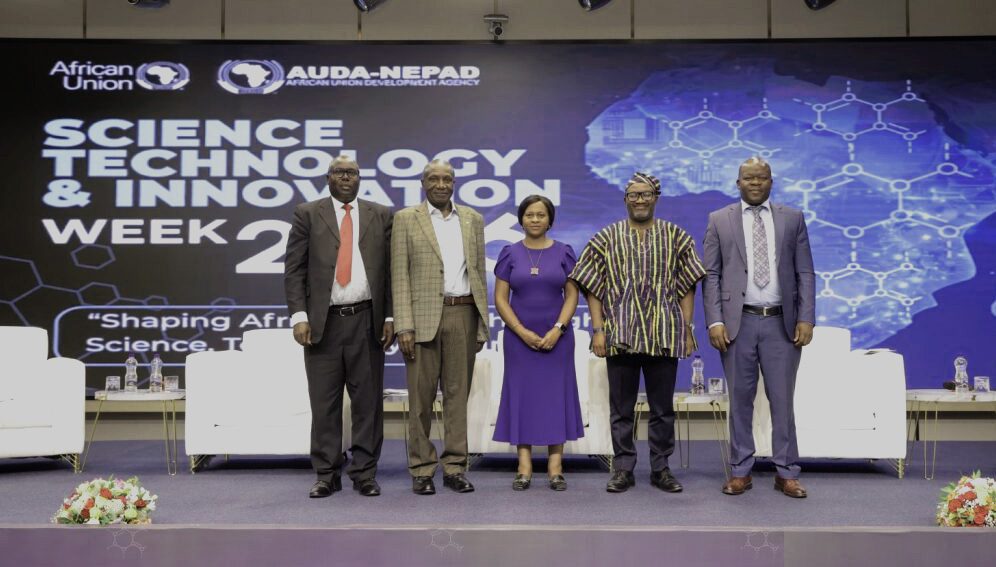
As STISA-2034 call closes, Africa’s research councils look ahead
With the deadline for the SGCI/STISA-2034 Multilateral Call approaching on 25 September, research institutions and consortia that have not yet submitted their expressions of interest have until the end of the day to do so. The Call seeks collaborative research approaches to some of Africa’s…
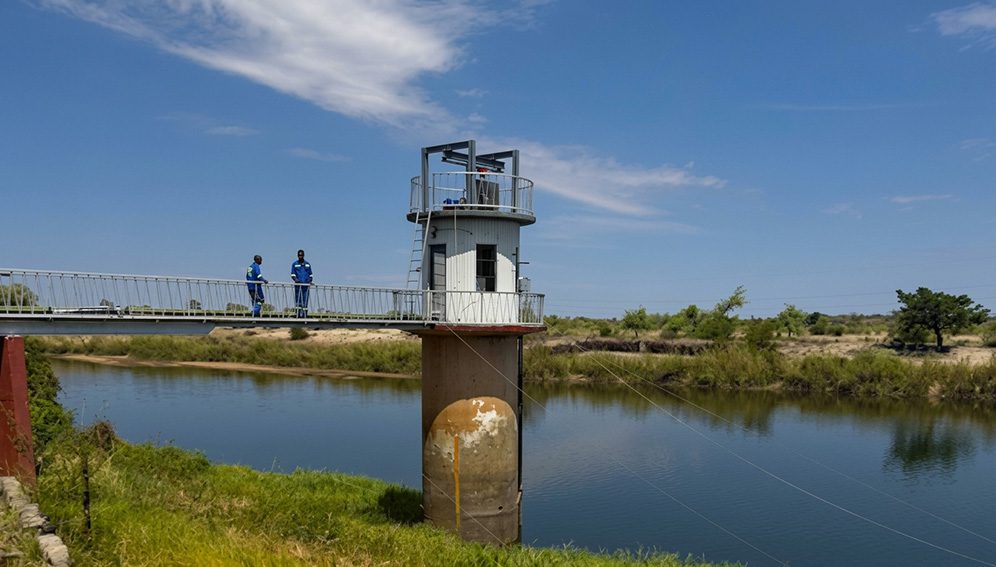
Namibia project uses household data, smart meters to rethink water
In Namibia, having water nearby does not always mean having reliable water at home. In Rundu, a growing urban centre on the perennial Okavango River, households reported the highest level of water insecurity among three towns studied by researchers. The finding illustrates a wider challenge…
Research and Resources

SGCI funded projects
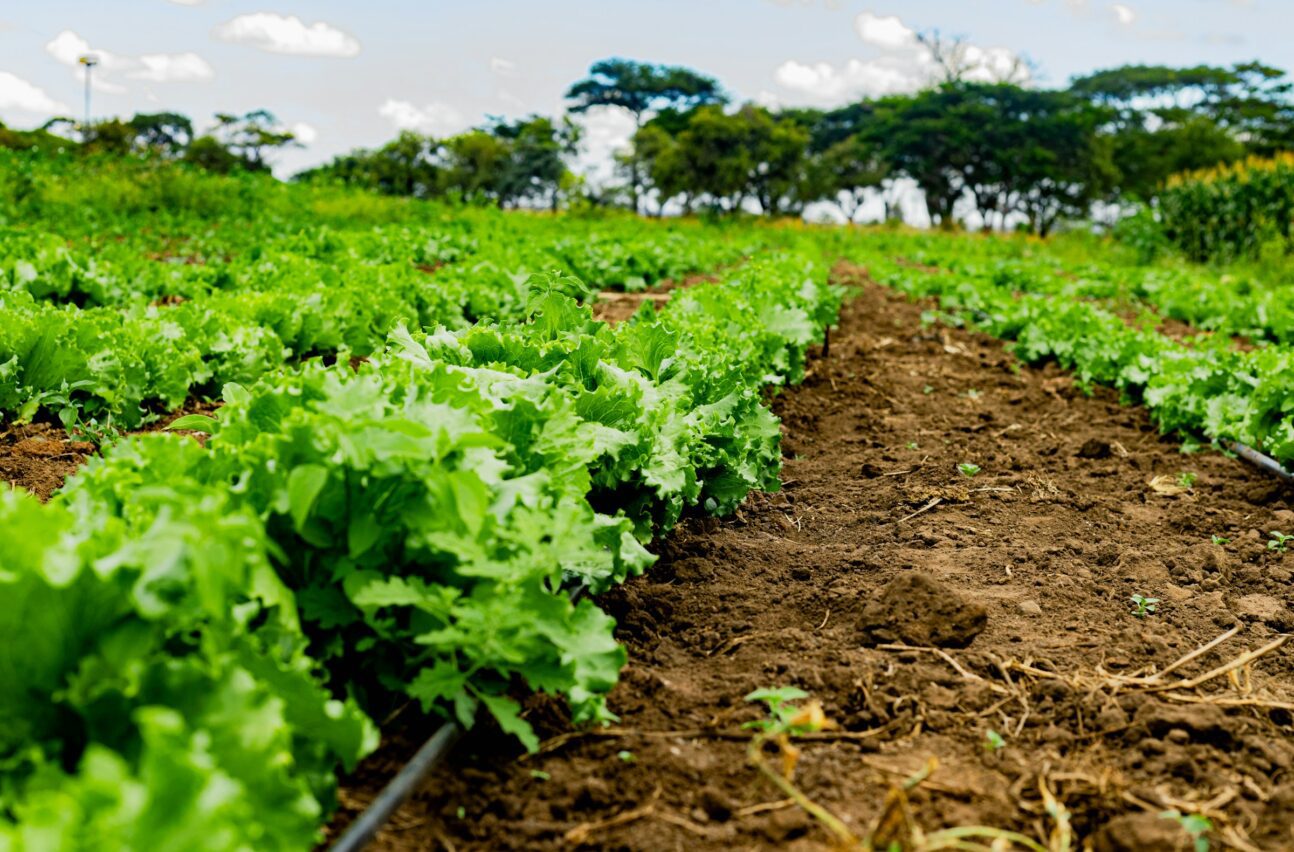
Rwanda’s integrated approach to sustainable agriculture and nutrition
Project Titles & Institution Areas of Research Number of Projects being funded Project Duration Grant Amount In-Kind Distribution Council Collaboration with other councils