South Africa
Science Granting Council
Summary
The National Research Foundation (NRF) is South Africa’s national public agency for research funding, researcher development, national research facilities and public engagement with science. Created under the National Research Foundation Act No. 23 of 1998, and operational from 1 April 1999, the NRF supports the advancement of knowledge, innovation and development across all fields of science and technology, including indigenous knowledge.
Council details
The National Research Foundation (NRF) is South Africa’s principal public agency for supporting research, developing research capacity, providing access to national research facilities and promoting public engagement with science. Its mandate is to support and promote research through funding, human resource development and the provision of research facilities, with the broader aim of contributing to knowledge, innovation and improved quality of life in South Africa.
Strengthening South Africa’s research and innovation system
The NRF plays a central role in South Africa’s national science, technology and innovation system. It funds research, supports postgraduate and researcher development, strengthens research infrastructure, and promotes public awareness and engagement with science.
Through its Research, Innovation, Impact Support and Advancement division, the NRF supports research and human capacity development across disciplines. It also enables researchers to access national research infrastructure platforms, including specialist facilities and capabilities that are essential for high-quality research.
The NRF’s science engagement role helps connect research with society. By supporting public awareness of science and creating opportunities for dialogue between researchers and wider audiences, the NRF contributes to a stronger relationship between science, policy and the public.
A founding participant in SGCI
South Africa has played a distinctive role in the Science Granting Councils Initiative (SGCI). Established in 2015, SGCI works to strengthen science-granting councils and address systemic challenges affecting research funding and science systems in Sub-Saharan Africa.
Building regional partnerships
As part of its engagement with SGCI, FUNDECIT has participated in peer-learning activities aimed at strengthening research management and funding systems across Sub-Saharan Africa. A FUNDECIT delegation participated in the second SGCI Peer Learning Visit in Pretoria, South Africa, held from 26 to 29 August 2025.
The NRF has been more than a participating council. It played a central role in establishing SGCI and has made significant financial and technical contributions to the initiative. Over the past decade, it has also been the only African science-granting council represented in SGCI’s leadership alongside international donors.
In SGCI’s current phase, the NRF is expected to play an important role in the council-led SGCI Alliance, drawing on its experience in bilateral and multilateral research collaboration, capacity strengthening and aligned funding mechanisms.
Supporting African-led research collaboration
The NRF supports African-led research collaboration through partnerships with other science granting councils and research institutions across the continent. These partnerships help strengthen regional research systems, build institutional capacity and create opportunities for joint research in areas of shared priority.
In 2025, the NRF and Namibia’s National Commission on Research, Science and Technology signed a five-year memorandum of understanding to strengthen research collaboration between South Africa and Namibia. The agreement focuses on joint research initiatives in areas including energy solutions, digital health innovation, sustainable agro-food systems and space science.
The NRF has also contributed to SGCI peer-learning activities. SGCI, in partnership with the NRF and the German Research Foundation, hosted a peer learning visit in Bonn, Germany, from 8 to 10 April. The visit brought together public research funders from 13 African countries to share practices in research and grants management.
Building research management capacity
South Africa’s NRF brings significant technical experience to the wider SGCI network. Its expertise in research funding, grant management, capacity strengthening, research infrastructure and international collaboration makes it an important partner for councils working to improve their own funding systems and institutional operations.
This role is particularly relevant in SGCI’s third phase, which runs from 2026 to 2030 and places stronger emphasis on African-led collaboration, STI policy influence and improved research management across participating councils.
Impact we’re having

Stories of change
Low-tech health app engages
Five years after its launch, PENSA – a mobile app developed in Mozambique— has been accessed by…
SGCI funded projects
Sorry, we couldn't find any posts. Please try a different search.


Related News
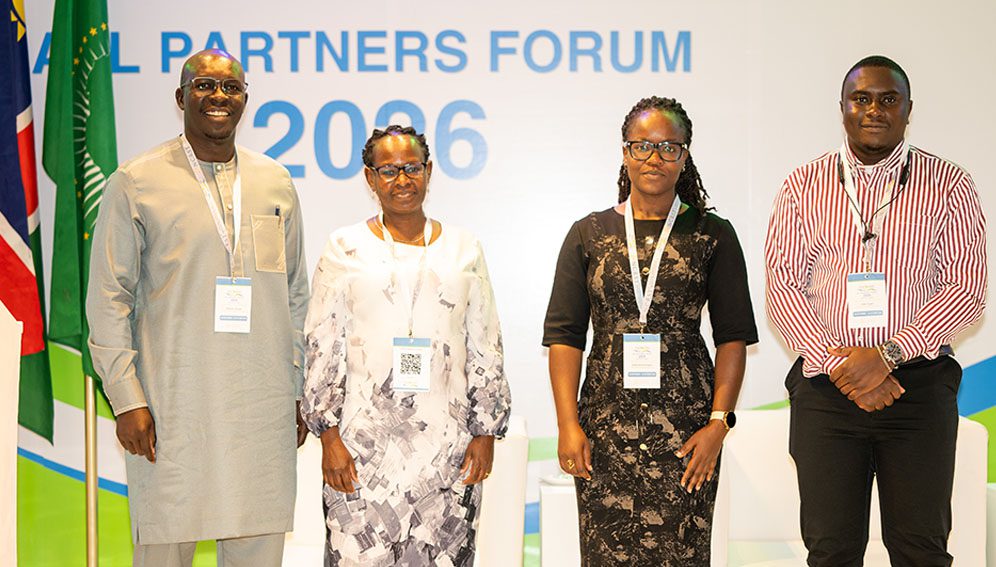
Voices from the SGCI Forum: Building an African-led science system
From calls for African-led research funding to stronger engagement with communities and governments, participants at the 2026 Science Granting Councils Initiative (SGCI) All Partners Forum left Windhoek with a shared sense that Africa’s science and innovation systems are entering a new phase. Held from 28…
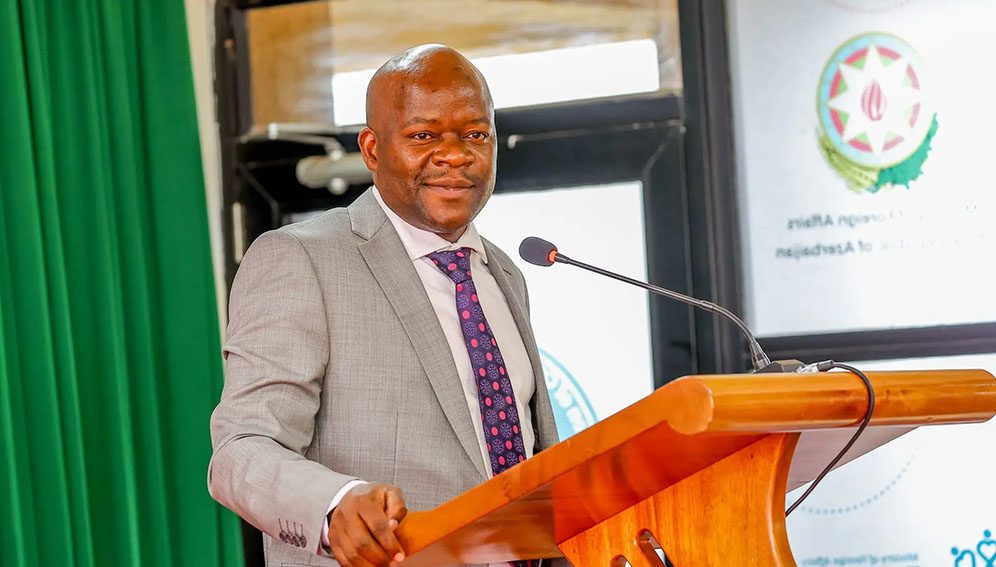
NRF champions science, climate action and youth empowerment
Kenya’s National Research Fund (NRF) is strengthening efforts to connect scientific research, innovation and youth participation with practical responses to climate and environmental challenges. NRF chief executive officer Dickson Andala represented the fund at the launch of the Climate Policy and Advocacy Training – Cohort…
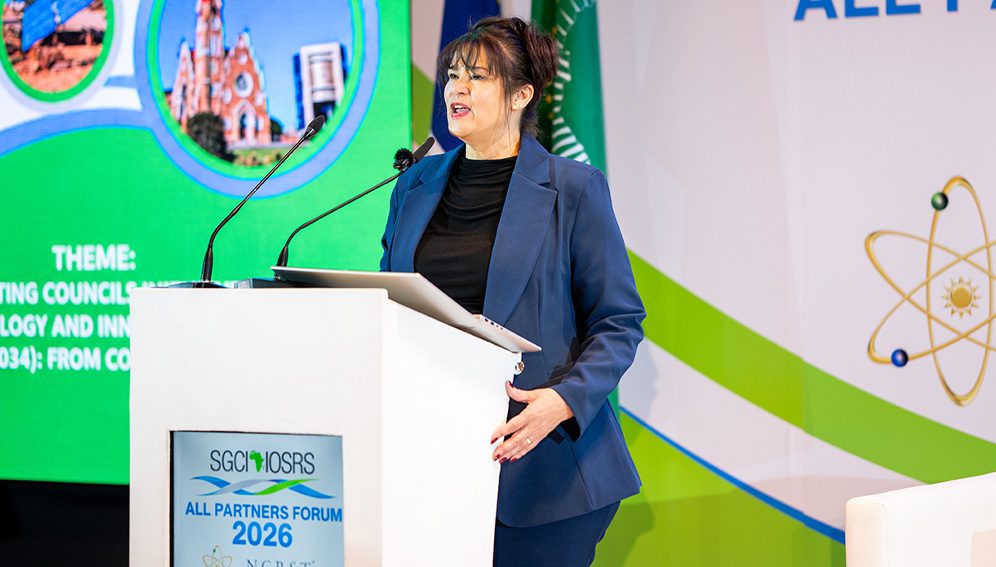
Windhoek Declaration: African science funders pledge to act as one
Science granting councils say Africa’s research systems need African ownership, steadier funding and less fragmentation. Here is what they agreed in Windhoek. African science granting councils adopted a collective declaration in Windhoek, Namibia, on 1 October 2026, as part of the Science Granting Councils Initiative…