
SGCI News
With the growing need to improve the quality, integrity, and impact of scientific work in the country, the Research Council of Zimbabwe (RCZ) has convened a three-day Research Excellence and…
With the growing need to improve the quality, integrity, and impact of scientific work in the country, the Research Council of Zimbabwe (RCZ) has convened a three-day Research Excellence and Research Ethics Workshop aimed at strengthening governance and ethical standards across the national research system.
Held from 27–29 October 2025 in Harare, the workshop gathered RCZ board members, staff, and representatives from leading universities including Solusi University (SU), Zimbabwe Ezekiel Guti University (ZEGU), University of Zimbabwe, Lupane State University, Midlands State University, Chinhoyi University of Technology, Bindura University of Science Education Official, Agricultural Research Council, SIRDC and Marondera University of Agricultural Science and Technology.
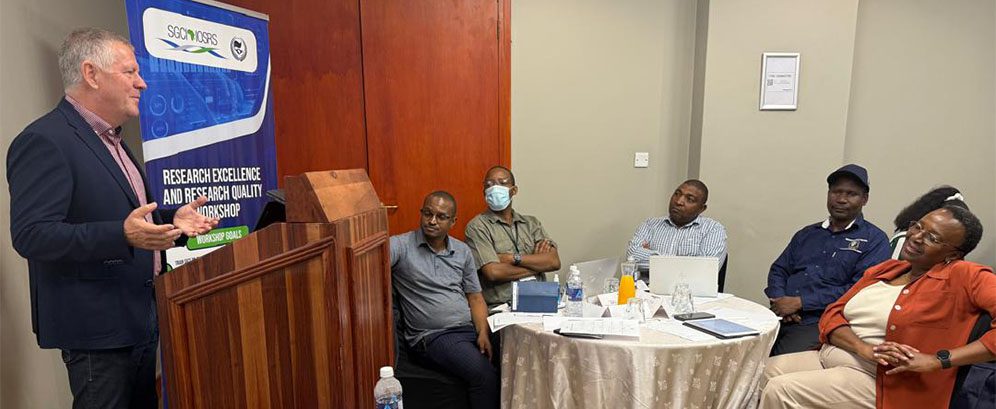
The workshop forms part of the Research Management Project, implemented under the Science Granting Councils Initiative (SGCI) with support from the International Development Research Centre (IDRC) and the UK Foreign, Commonwealth and Development Office (FCDO).
Addressing persistent issues across the sector, sessions focused on improving rigor and reproducibility in research, strengthening proposal development skills, and tackling fundraising challenges that continue to constrain research output.
Facilitators from the Association of African Universities in Ghana, Mathias Seeler, Rakeshnie Ramoutar-Prieschl, and Ruth Dickson, guided participants through critical areas such as the RQ+ framework, high-impact research design, and persuasive grant proposal writing.

The RQ+ framework provides a systems-informed approach to defining and evaluating research quality, as well as its positioning for use and impact.
The workshop represents a strategic effort to empower Zimbabwe’s research ecosystem to achieve greater excellence, integrity, and influence within national and regional research systems.
Please check out the stories and let us know what you think. We would love to hear from you!
Let’s continue the conversation on our social media
Published on 21 November 2025
Related News
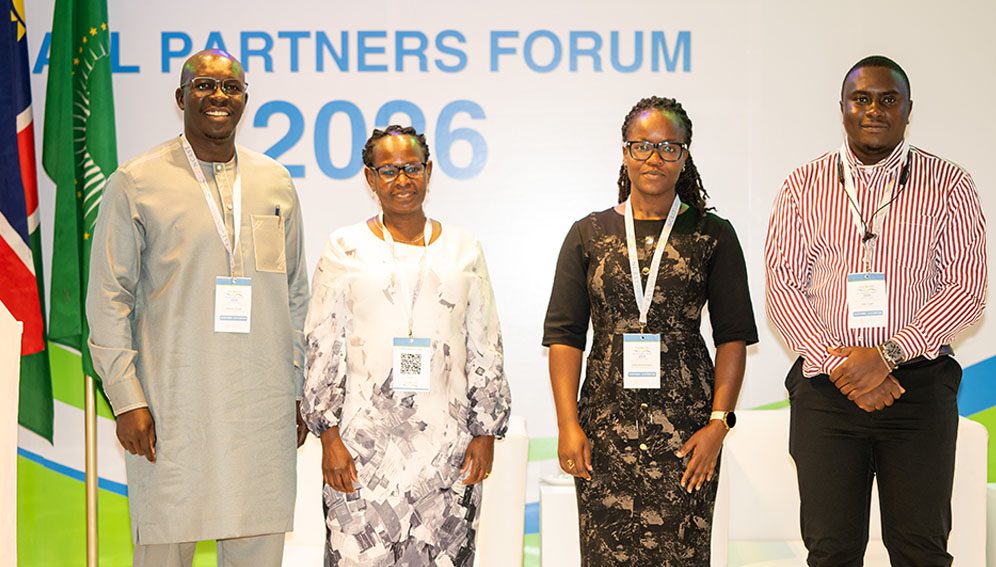
Voices from the SGCI Forum: Building an African-led science system
From calls for African-led research funding to stronger engagement with communities and governments, participants at the 2026 Science Granting Councils Initiative (SGCI) All Partners Forum left Windhoek with a shared sense that Africa’s science and innovation systems are entering a new phase. Held from 28…
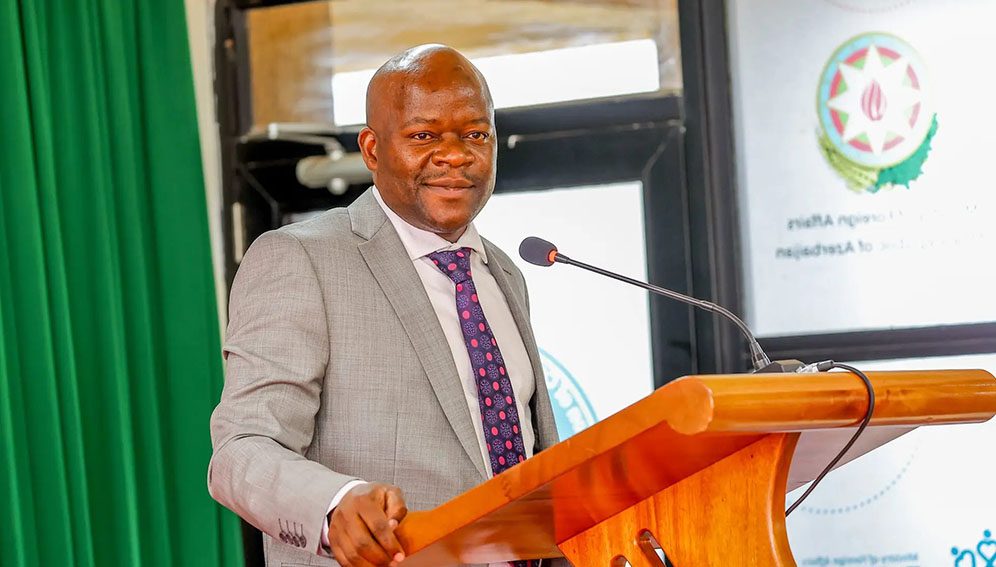
NRF champions science, climate action and youth empowerment
Kenya’s National Research Fund (NRF) is strengthening efforts to connect scientific research, innovation and youth participation with practical responses to climate and environmental challenges. NRF chief executive officer Dickson Andala represented the fund at the launch of the Climate Policy and Advocacy Training – Cohort…
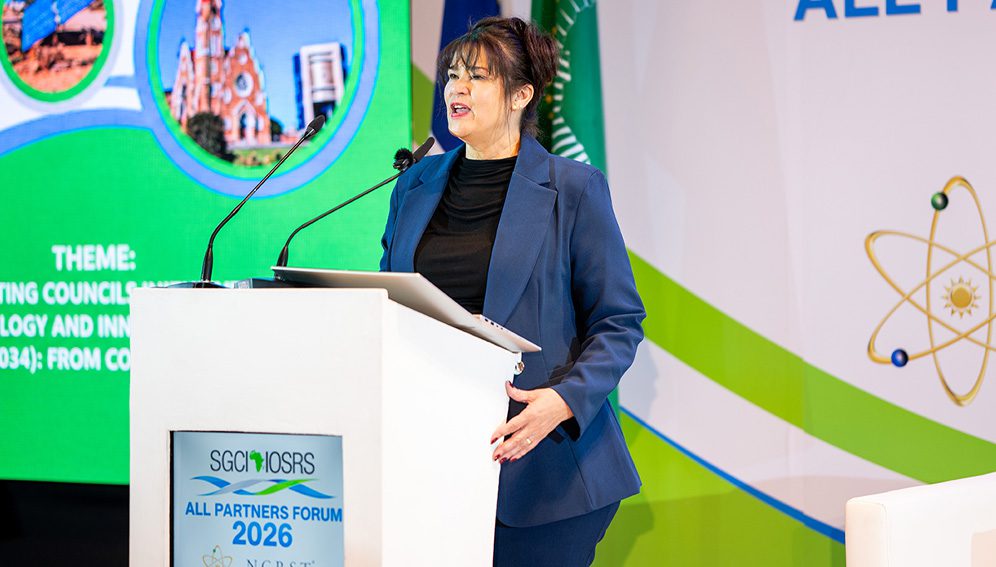
Windhoek Declaration: African science funders pledge to act as one
Science granting councils say Africa’s research systems need African ownership, steadier funding and less fragmentation. Here is what they agreed in Windhoek. African science granting councils adopted a collective declaration in Windhoek, Namibia, on 1 October 2026, as part of the Science Granting Councils Initiative…


SGCI funded projects

Rwanda’s integrated approach to sustainable agriculture and nutrition
Project Titles & Institution Areas of Research Number of Projects being funded Project Duration Grant Amount In-Kind Distribution Council Collaboration with other councils