
SGCI News
The Uganda National Council for Science and Technology (UNCST) is emerging as a force in bridging the communication gap by ensuring that research reaches the people who can benefit from…
The Uganda National Council for Science and Technology (UNCST) is emerging as a force in bridging the communication gap by ensuring that research reaches the people who can benefit from it most.
They are doing this through a series of knowledge dissemination webinars.
The webinars are designed to facilitate research knowledge sharing and engagement among Ugandan researchers, policymakers, industry leaders, and other stakeholders.
It is a platform for researchers to speak directly to a wider audience about their innovations.
The webinars highlight SGCI-funded research, demonstrating tangible outcomes of the research that could inspire further innovation and cross-sector collaboration.
The Ugandan science communication drive is further enhanced as their research success stories have been heavily featured in the SGCI Footprint Newsletter.
These stories were also presented by the researchers at the webinar.
Here are some of their stories of impact that have been covered in the newsletter.
The stories span multiple sectors and address pressing local and global challenges.
Cricket Feed
Researchers at the Uganda Christian University launched a project in September 2023 to develop low-cost, high-protein cricket feed from food waste.
With support from the Science Granting Councils Initiative (SGCI), the project received US$29,473 in the first phase to develop and test the feed formulations, and US$63,750 in the second phase to build a cricket production facility, package the feed, and establish a system for sorting and collecting food waste.
Banana textiles
Ugandan researchers are transforming discarded banana stems into textiles, hair extensions, and sanitary pads, positioning the East African nation to capitalise on the growing global demand for sustainable fibers.
Agricultural solutions for waste
Ugandan researchers have developed a method to transform the waste generated by leather production into a nutrient-rich agricultural solution for coffee farming.
Technology for shea butter
A new technology developed by Ugandan researchers, which separates different elements of the fatty substance, is helping shrink the long hours spent producing shea butter.
Natural health products
Ugandan researchers designed the country’s first propolis powder extraction facility, which could unlock the commercial potential of propolis, boost beekeepers’ incomes, and provide natural health solutions.
Food safety
Ugandan researchers have come up with a simple set of guidelines to help bakeries comply with food safety standards – potentially saving them from closure.
Climate resilient agriculture
New climate-resistant wheat varieties developed by Ugandan researchers will reduce reliance on foreign exports and support local food production.
Please check out the stories and let us know what you think. We would love to hear from you!
Let’s continue the conversation on our social media
Follow us on LinkedIn
Published on 27 May 2025
This article was written by: Jackie Opara
Related News
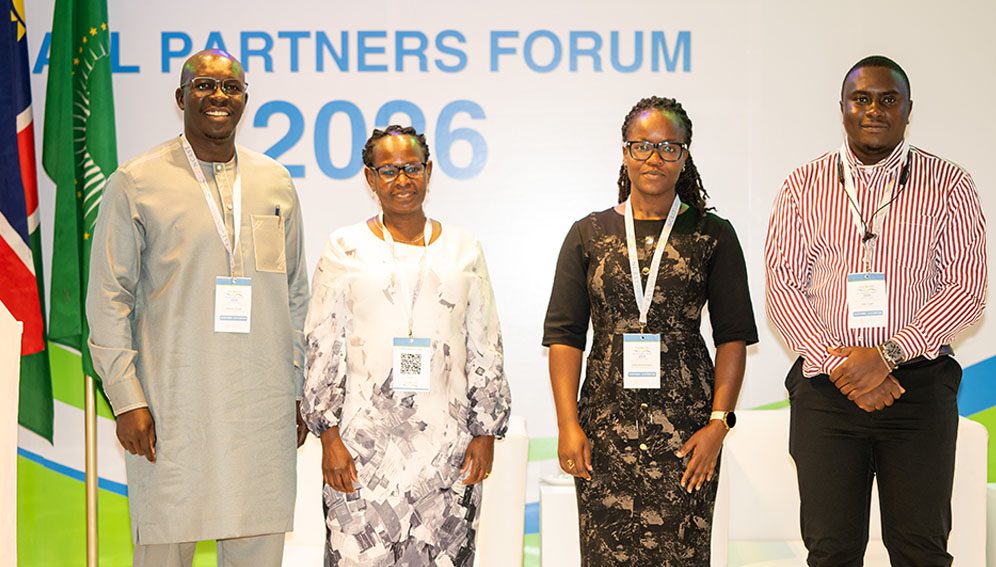
Voices from the SGCI Forum: Building an African-led science system
From calls for African-led research funding to stronger engagement with communities and governments, participants at the 2026 Science Granting Councils Initiative (SGCI) All Partners Forum left Windhoek with a shared sense that Africa’s science and innovation systems are entering a new phase. Held from 28…
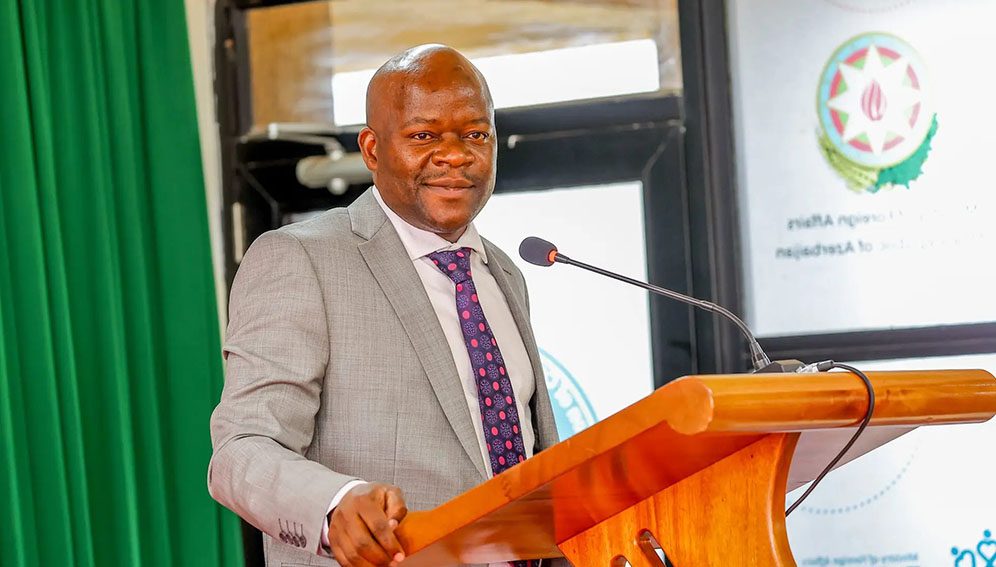
NRF champions science, climate action and youth empowerment
Kenya’s National Research Fund (NRF) is strengthening efforts to connect scientific research, innovation and youth participation with practical responses to climate and environmental challenges. NRF chief executive officer Dickson Andala represented the fund at the launch of the Climate Policy and Advocacy Training – Cohort…
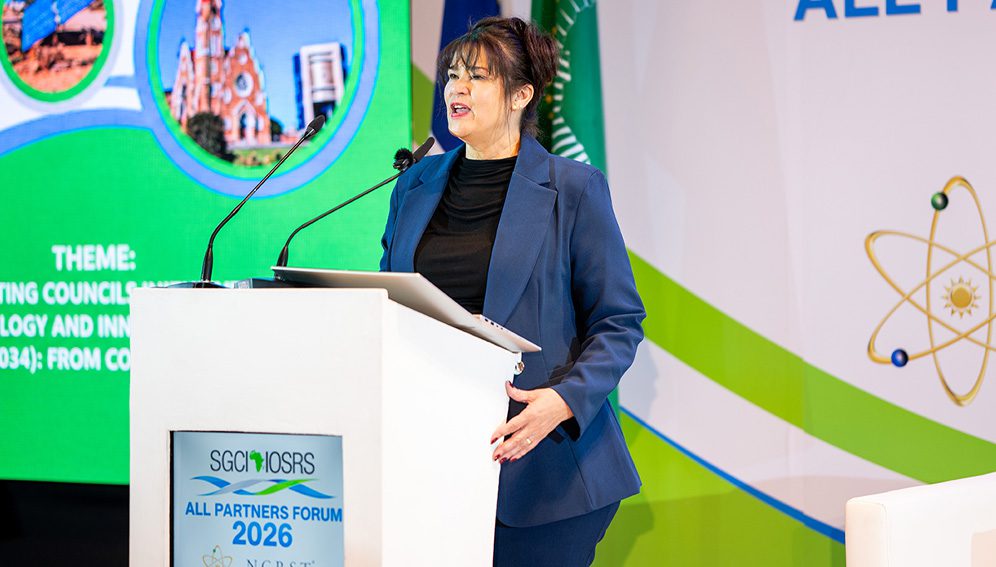
Windhoek Declaration: African science funders pledge to act as one
Science granting councils say Africa’s research systems need African ownership, steadier funding and less fragmentation. Here is what they agreed in Windhoek. African science granting councils adopted a collective declaration in Windhoek, Namibia, on 1 October 2026, as part of the Science Granting Councils Initiative…


SGCI funded projects
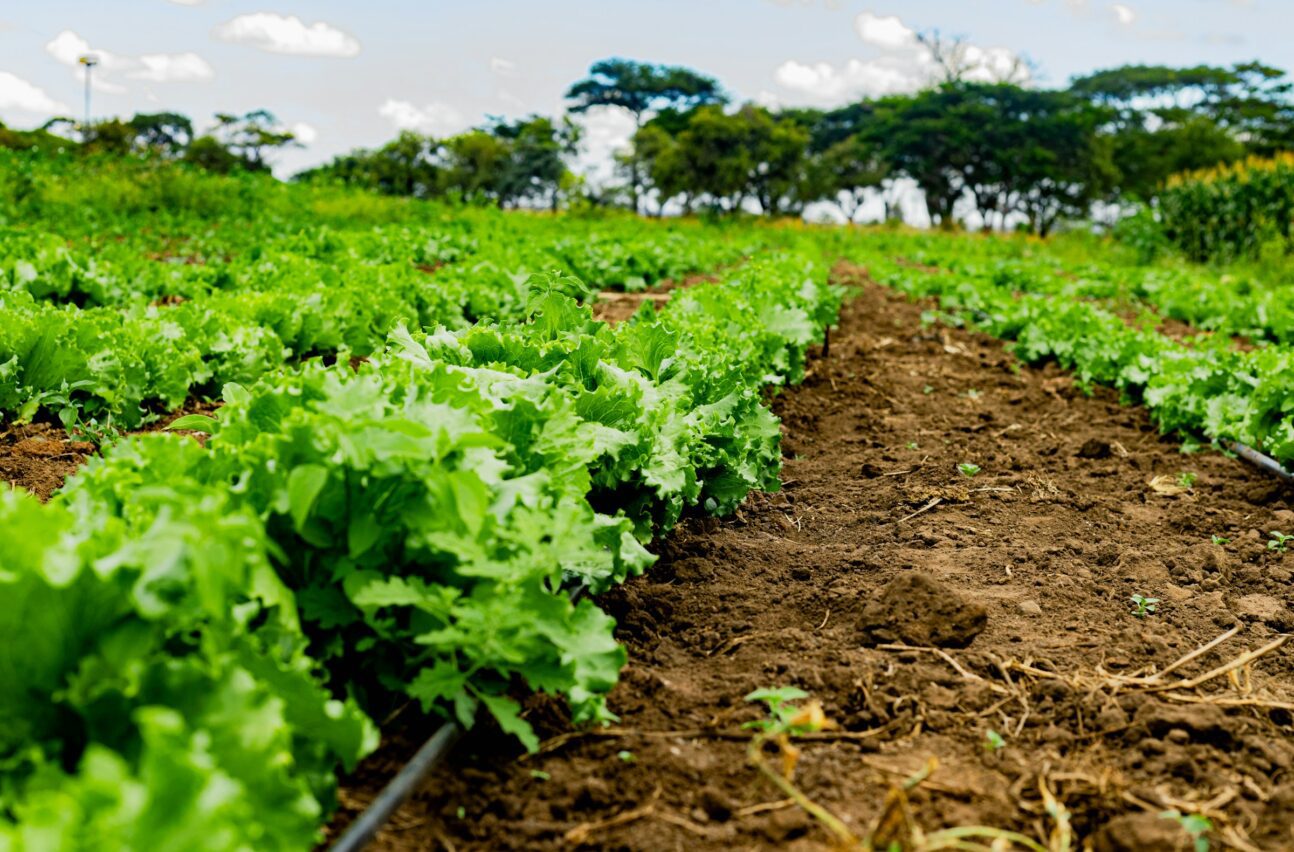
Rwanda’s integrated approach to sustainable agriculture and nutrition
Project Titles & Institution Areas of Research Number of Projects being funded Project Duration Grant Amount In-Kind Distribution Council Collaboration with other councils