
SGCI News
Reflections by Dr. Ellie Osir on building stronger foundations for STI financing At Kenya’s Science, Technology, Research and Innovation (STRI) Week, one message stood out clearly: Africa must rethink how…
Reflections by Dr. Ellie Osir on building stronger foundations for STI financing
At Kenya’s Science, Technology, Research and Innovation (STRI) Week, one message stood out clearly: Africa must rethink how it funds research and innovation in a rapidly changing global environment. Co-convened by Kenya’s National Research Fund under the State Department for Science, Research and Innovation, STRI Week is the country’s premier platform for connecting research, policy, and industry.
This conversation is especially urgent as traditional financing models continue to shift. Global geopolitical change, tightening donor budgets, and growing competition for development resources are making research funding across Africa more constrained, fragmented, and uncertain.
Many funders are increasingly focused on short-term strategic interests, while long-standing development partnerships are evolving in ways that can leave national research systems vulnerable.
Yet this moment also presents an opportunity for African countries to build stronger, more resilient STI systems. For Science Granting Councils and governments alike, the central question is no longer whether change is needed, but how to reposition effectively in a post-aid environment.
Building stronger foundations for STI financing
Strengthening domestic resource mobilisation for STRI
Even where public budgets are tight, sustained investment matters. Incremental increases in research and development spending, the creation of dedicated national research and innovation funds, and fiscal incentives such as R&D tax credits or innovation vouchers can reduce dependence on external financing. Over time, these measures help build systems that are less exposed to donor volatility and better aligned with national ambitions, including those set out in continental frameworks such as STISA-2034.
Diversifying funding sources and instruments
Governments and funding agencies should engage a broader mix of actors, including development banks, philanthropy, impact investors, and regional financing mechanisms. Blended finance models that combine public and private capital can also unlock new resources for innovation. The goal is not simply to find more money, but to create a balanced financing ecosystem that supports both knowledge generation and practical application.
Creating strong alignments between STI systems and national and regional priorities
Research investment is most effective when closely linked to national development plans and regional priorities. This means strengthening STI policies, ensuring coherence with frameworks such as the African Continental Free Trade Area, and prioritising mission-oriented research in areas such as climate resilience, food systems, and health innovation. Governments and research organisations must also do more to translate findings into policy, communicate impact clearly, and demonstrate why STI investments matter. When policymakers, communities, and industry leaders understand the return on research investments, they are more likely to support them over the long term.
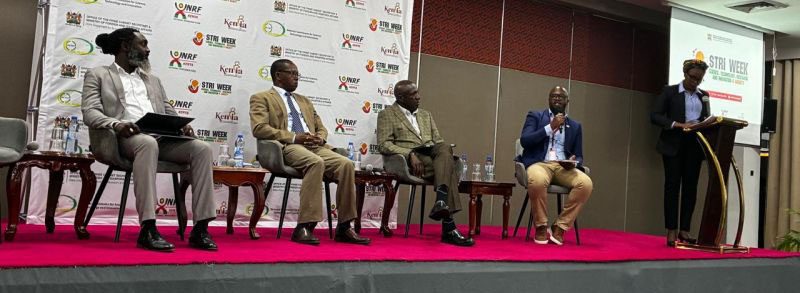
A critical related shift is strengthening the connection between public research and the private sector. Research cannot remain isolated within academic and research institutions if it is to contribute meaningfully to jobs, productivity, and industrial transformation. Public–private partnerships, technology transfer mechanisms, startup support, and industry-linked research initiatives can all help move ideas from research to use.
Strengthening national organisation capacities and governance
Strong institutions will be essential to making these reforms work. National research funding agencies and Science Granting Councils need the governance, credibility, and operational capacity to manage limited resources strategically, including transparent allocation mechanisms, clear accountability systems, and robust monitoring, evaluation, and learning frameworks that help governments understand what is working, what is not, and where course correction is needed. In a tighter funding environment, institutional capacity becomes a prerequisite for sustainability.
Fostering regional and South–South collaborative linkages
Regional and South–South collaboration should also be part of the response. By pooling resources, supporting researcher mobility and strengthening centres of excellence, African countries can achieve economies of scale and reduce duplication.
Collaborative models make it possible to tackle large, cross-border challenges that no single country can address alone, and can help shift the narrative from dependence to partnership with African institutions co-creating solutions and setting shared agendas.
Countries in East and Southeast Asia show that sustained and strategic investment in science, technology, and innovation can turn research systems into engines of growth, competitiveness, and public problem-solving, and there are lessons to learn from their experiences.
The transition to a post-aid era could become a turning point for African research and innovation systems, creating space for stronger national ownership, deeper regional collaboration, and more meaningful engagement with the private sector.
Domestic investment in research and innovation will be central to building the resilient, knowledge-based economies the continent needs.
Please check out the stories and let us know what you think. We would love to hear from you!
Let’s continue the conversation on our social media
Published on 27 May 2026
Author: Ellie Osir
Related News
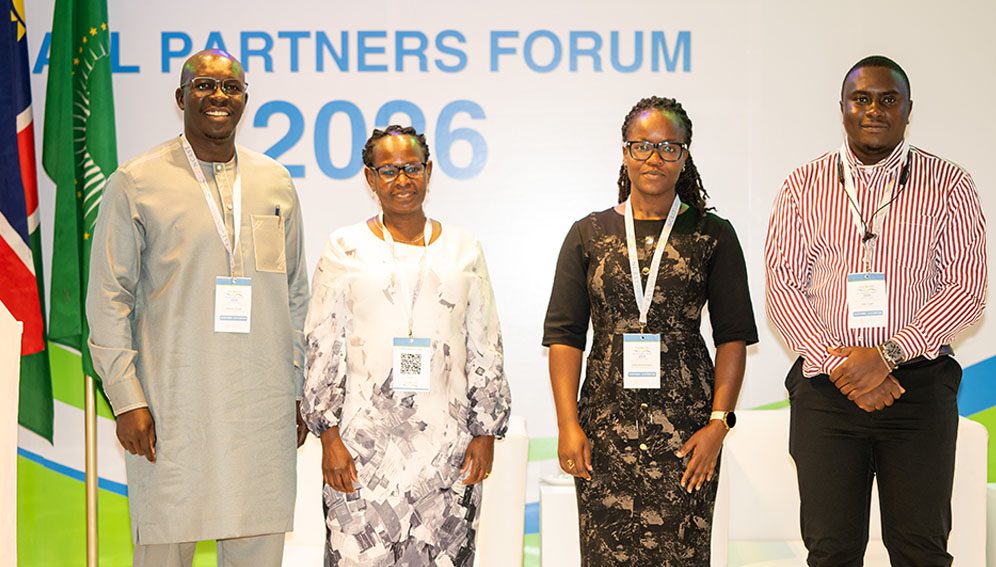
Voices from the SGCI Forum: Building an African-led science system
From calls for African-led research funding to stronger engagement with communities and governments, participants at the 2026 Science Granting Councils Initiative (SGCI) All Partners Forum left Windhoek with a shared sense that Africa’s science and innovation systems are entering a new phase. Held from 28…
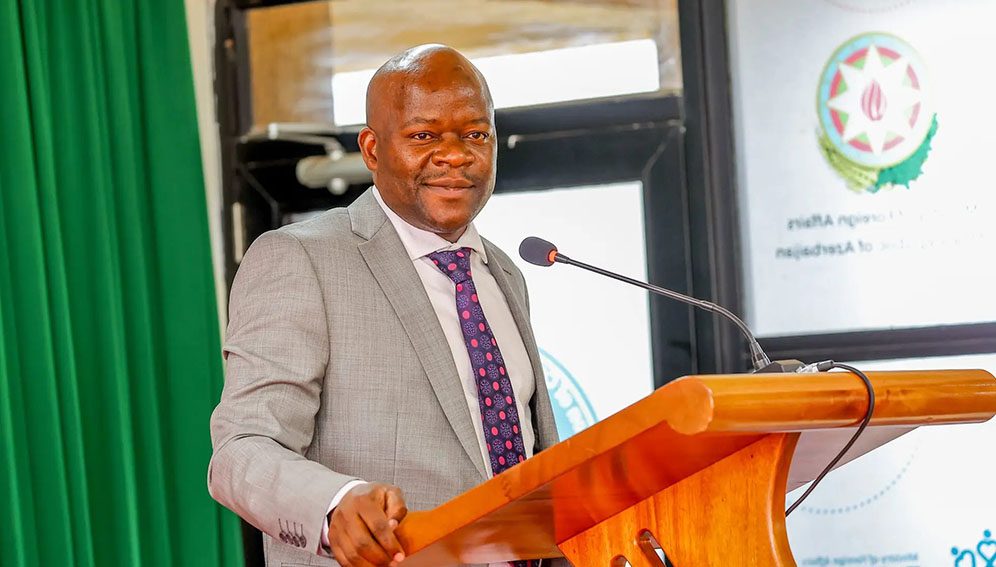
NRF champions science, climate action and youth empowerment
Kenya’s National Research Fund (NRF) is strengthening efforts to connect scientific research, innovation and youth participation with practical responses to climate and environmental challenges. NRF chief executive officer Dickson Andala represented the fund at the launch of the Climate Policy and Advocacy Training – Cohort…
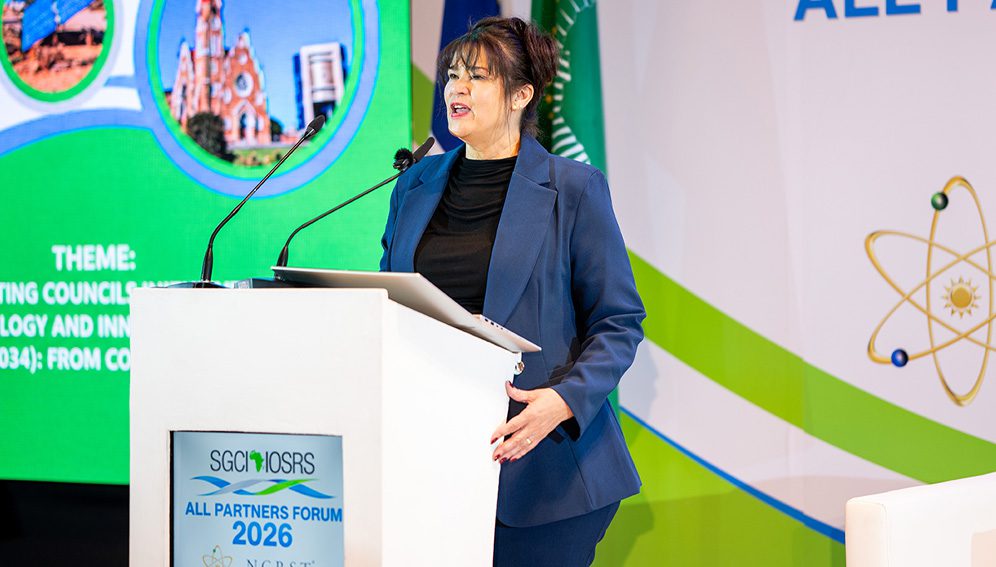
Windhoek Declaration: African science funders pledge to act as one
Science granting councils say Africa’s research systems need African ownership, steadier funding and less fragmentation. Here is what they agreed in Windhoek. African science granting councils adopted a collective declaration in Windhoek, Namibia, on 1 October 2026, as part of the Science Granting Councils Initiative…


SGCI funded projects
Rwanda’s integrated approach to sustainable agriculture and nutrition
Project Titles & Institution Areas of Research Number of Projects being funded Project Duration Grant Amount In-Kind Distribution Council Collaboration with other councils