SGCI News
Mozambique’s National Research Fund (FNI) marked a milestone in its scientific agenda by co-hosting two landmark events that brought together researchers, educators, and policymakers to advance the country’s research and…
Mozambique’s National Research Fund (FNI) marked a milestone in its scientific agenda by co-hosting two landmark events that brought together researchers, educators, and policymakers to advance the country’s research and innovation ecosystem.
Held in partnership with Licungo University, from November 19-21, 2025, the dual seminar, 5th International Seminar on Scientific Research and the 16th National Seminar on Dissemination of Results from FNI-Funded projects, served as a flagship platform for FNI to demonstrate the breadth and impact of the research it funds in Mozambique.
As Mozambique’s national science funding agency and a member of the Science Granting Councils Initiative (SGCI), FNI plays a critical role in supporting research that responds to national priorities while strengthening the country’s research and innovation ecosystem.
The seminar showed this commitment by highlighting projects that address issues ranging from health and nutrition to climate change, agriculture, engineering, education, and research ethics.
Opening the event, FNI director, Florêncio Maulano, reaffirmed the Fund’s dedication to supporting research that delivers practical benefits for communities and contributes to sustainable development.

He noted that the diversity of projects presented demonstrated the growing capacity of Mozambican researchers to generate knowledge and solutions that respond to real-world challenges.
Over the course of three days, participants presented 68 scientific papers, engaged in seven plenary sessions, and celebrated the funding of five new research projects.
The discussions explored strategic priorities for strengthening scientific research in Mozambique and highlighted the importance of continued investment in knowledge generation and innovation.
The seminar also highlighted the importance of collaboration, which is one of the core principles promoted by SGCI.
Researchers from institutions across Mozambique were joined by participants from Angola, Brazil, Côte d’Ivoire, and Namibia, creating opportunities for knowledge exchange, partnership building, and regional learning.
Licungo University rector, Boaventura Aleixo emphasised the value of academic cooperation and scientific exchange in advancing transformative research and strengthening higher education. He noted that initiatives such as the seminar help consolidate scientific production and support national development goals.
Representing the Minister of Education and Culture, Raquel Chissumba called for stronger connections between universities, research institutions, communities, and the private sector. She stressed that research outcomes must increasingly be translated into practical solutions that improve the lives of Mozambicans.
For FNI, the seminar was a demonstration of the growing impact of strategic research funding. By supporting researchers, promoting interdisciplinary collaboration, and creating platforms for sharing results, FNI continues to strengthen Mozambique’s research ecosystem and advance the SGCI mission of building robust, responsive, and impactful science systems across Africa.
Please check out the stories and let us know what you think. We would love to hear from you!
Let’s continue the conversation on our social media
Published on 3 June 2026By Jackie Opara-Fatoye
Related News
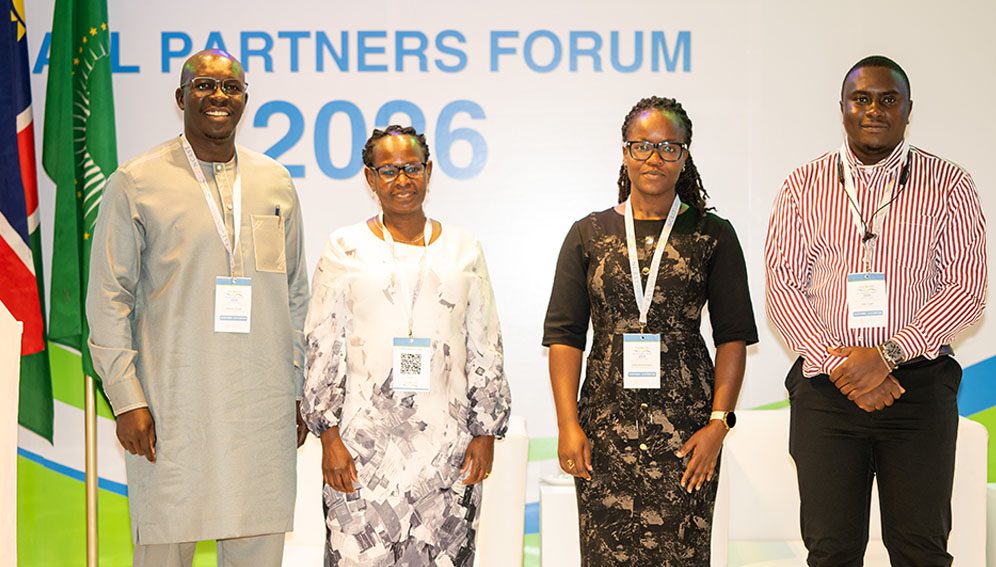
Voices from the SGCI Forum: Building an African-led science system
From calls for African-led research funding to stronger engagement with communities and governments, participants at the 2026 Science Granting Councils Initiative (SGCI) All Partners Forum left Windhoek with a shared sense that Africa’s science and innovation systems are entering a new phase. Held from 28…
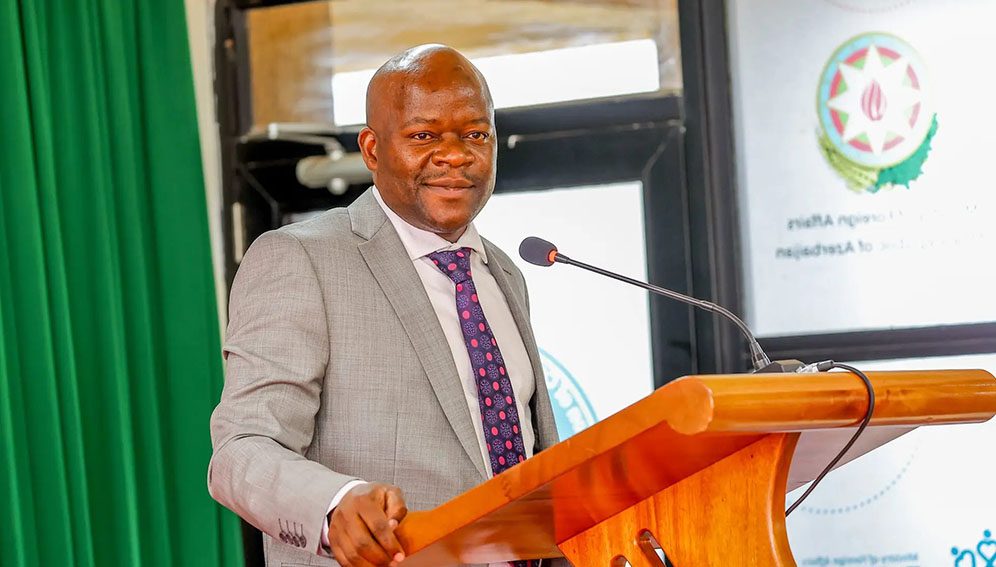
NRF champions science, climate action and youth empowerment
Kenya’s National Research Fund (NRF) is strengthening efforts to connect scientific research, innovation and youth participation with practical responses to climate and environmental challenges. NRF chief executive officer Dickson Andala represented the fund at the launch of the Climate Policy and Advocacy Training – Cohort…
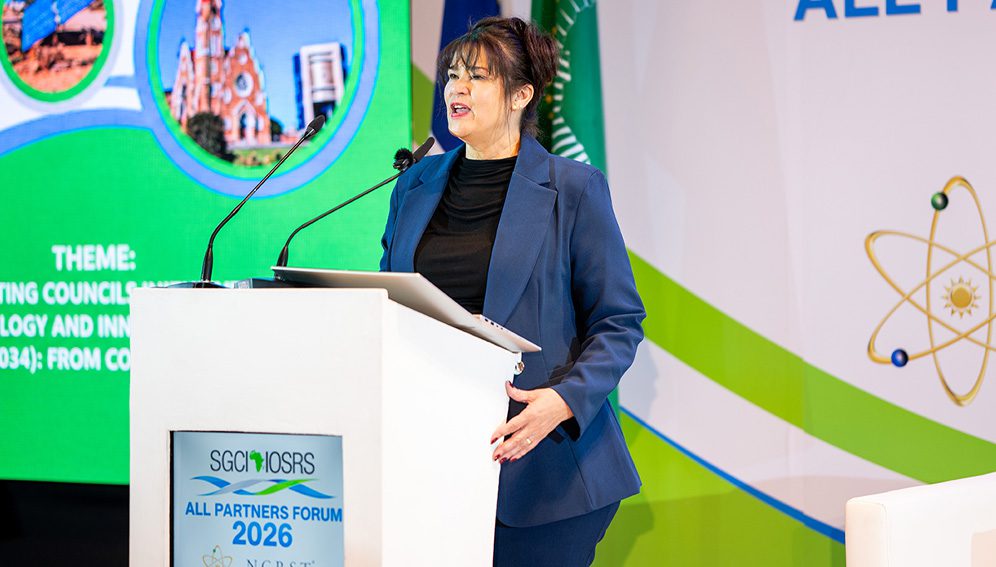
Windhoek Declaration: African science funders pledge to act as one
Science granting councils say Africa’s research systems need African ownership, steadier funding and less fragmentation. Here is what they agreed in Windhoek. African science granting councils adopted a collective declaration in Windhoek, Namibia, on 1 October 2026, as part of the Science Granting Councils Initiative…


SGCI funded projects
Rwanda’s integrated approach to sustainable agriculture and nutrition
Project Titles & Institution Areas of Research Number of Projects being funded Project Duration Grant Amount In-Kind Distribution Council Collaboration with other councils