Sierra Leone
Science Granting Council
Summary
Promote access to quality tertiary and vocational education through appropriate policies and legislation as well as skills development for the advancement of education in Sierra Leone.
Council details
The National Science, Technology and Innovation Council of Sierra Leone (NSTIC-SL) plays a key role in using science to improve lives. Established in 2020, the council was created to promote innovation, advance knowledge, and support socio-economic development through research.
NSTIC-SL aims to enhance the quality of life for all Sierra Leoneans. It achieves this by supporting research, raising funds, and promoting collaboration between government, academia, and industry. The council also helps shape policy and legislation to improve access to quality tertiary and vocational education across the country.
NSTIC-SL is guided by the Ministry of Technical and Higher Education and works to build an inclusive science and innovation ecosystem in Sierra Leone. It champions local solutions to local challenges and strengthens national capacity for development-driven research.
NSTIC-SL’s Participation in the SGCI
Since 2020, NSTIC-SL has participated in the Science Granting Councils Initiative (SGCI) as an observer. In 2023, it became a full member. This involvement has been vital for building the council’s capacity and influence.
Through SGCI, NSTIC-SL has benefited from technical support and professional development. One key achievement is its participation in the Evi-Pol training, hosted by South Africa’s Human Sciences Research Council. This programme, led by CeSTII, equips researchers with tools to design evidence-based STI policies and adapt to digital transformation.
The SGCI partnership has helped the council gain experience, forge new networks, and apply lessons from across Africa to its national context.
Leadership Perspective
Dr Samba Sesay, Programme Implementation Manager at NSTIC-SL, emphasises the council’s mission to serve as a driver of progress. In this interview, he highlighted the council’s role in building a strong science culture and promoting evidence-based policymaking.
With SGCI support, NSTIC-SL continues to grow its impact, ensuring research and innovation serve the people of Sierra Leone.
Impact we’re having
Stories of change
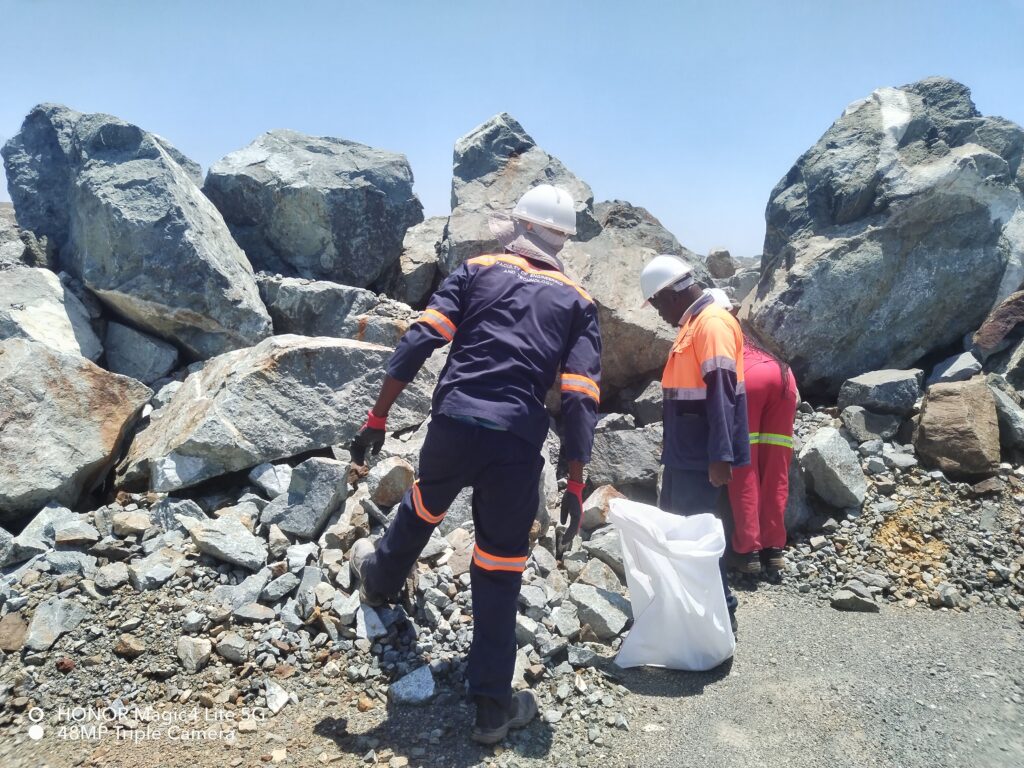
Waste at a Botswana nickel mine may hold battery metals
Researchers say waste material at a Botswana nickel mine contains viable amounts of nickel, cobalt and copper,…
SGCI funded projects
Sorry, we couldn't find any posts. Please try a different search.


Related News
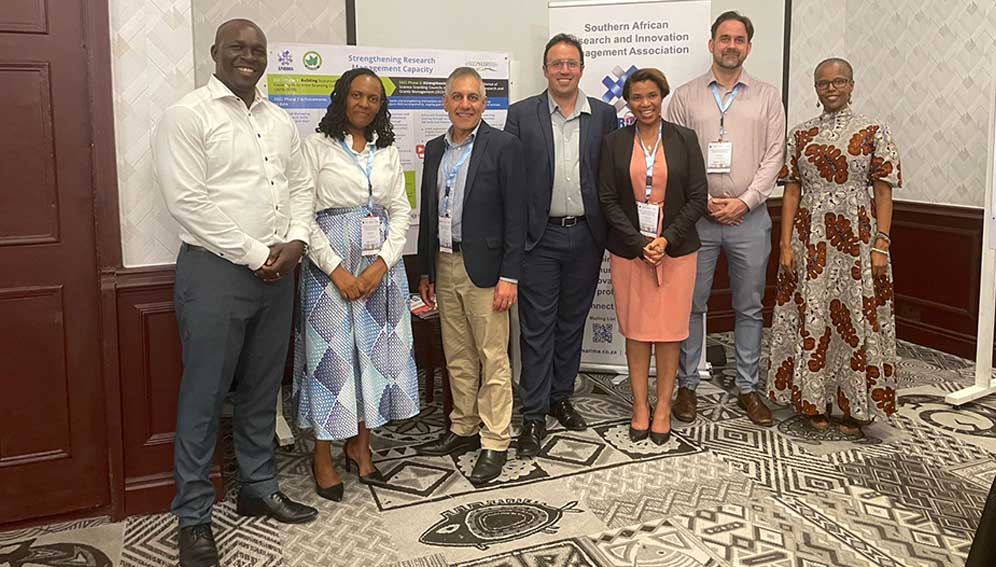
How research management is changing Africa’s science funders
A new grant appeals procedure in Zimbabwe, improved digital grant management in Namibia, and stronger gender inclusion leadership in Zambia are among the institutional changes emerging from efforts to strengthen research management across Sub-Saharan Africa. Theme one of the Science Granting Councils Initiative Phase II…
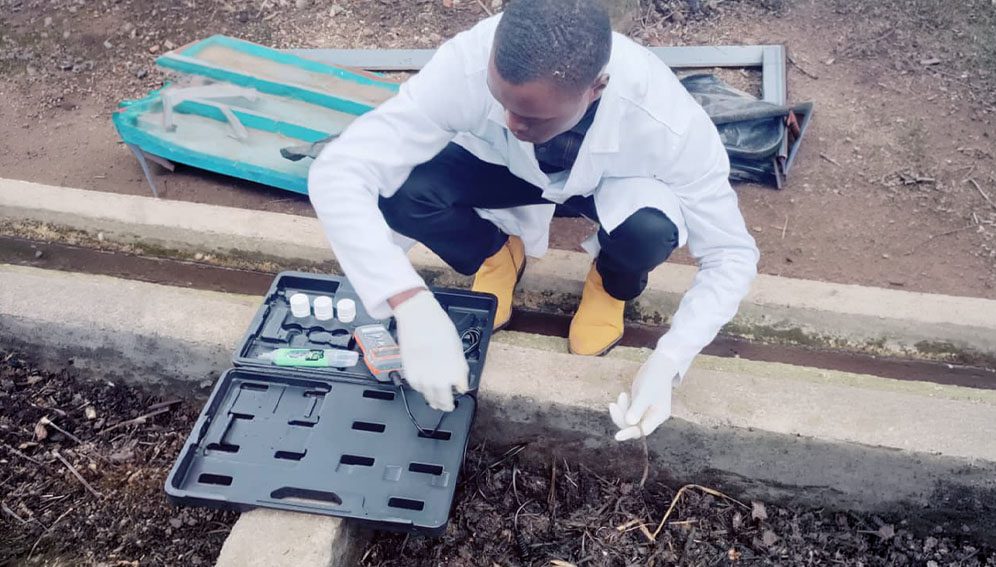
Can Rwanda’s farm waste help restore its depleted soils?
Locally developed vermicompost and biochar show promise for improving crop yields and soil health, but researchers say further testing is needed before wider adoption. The vermicompost process uses tiger worms to break down prepared organic materials into a dark, crumb-like product, while the biochar is…
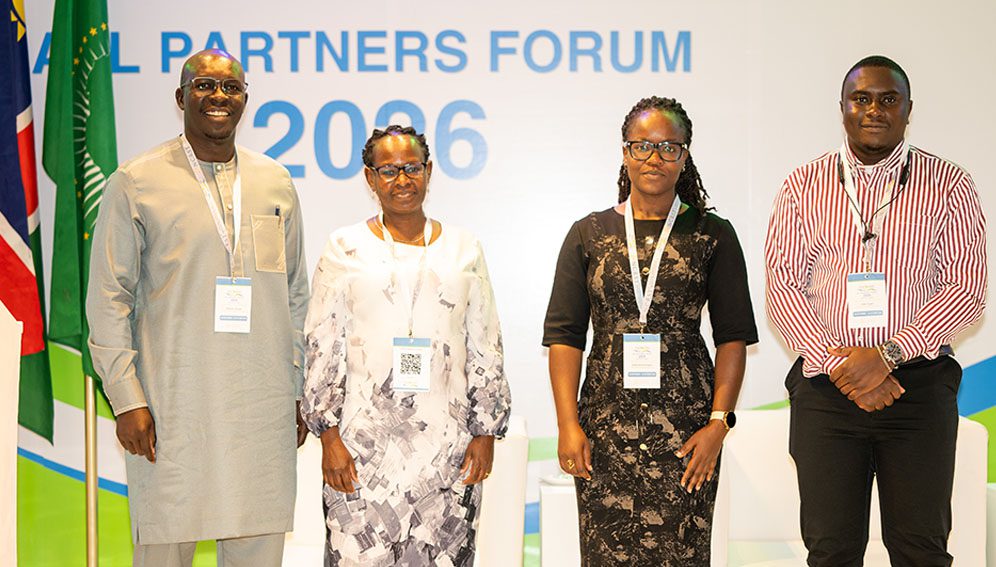
Voices from the SGCI Forum: Building an African-led science system
From calls for African-led research funding to stronger engagement with communities and governments, participants at the 2026 Science Granting Councils Initiative (SGCI) All Partners Forum left Windhoek with a shared sense that Africa’s science and innovation systems are entering a new phase. Held from 28…