Senegal
Science Granting Council
Summary
The Ministry of Higher Education, Research and Innovation (MESRI) of Senegal develops and implements national policies in higher education, research and innovation, aimed at promoting scientific and technology of the country.
Council details
The Ministry of Higher Education, Research and Innovation (MESRI) is the lead agency in Senegal responsible for shaping national policies in higher education, scientific research and innovation. It plays a central role in strengthening the country’s research and innovation ecosystem by ensuring science and technology contribute meaningfully to economic growth and social wellbeing.
MESRI focuses on advancing Senegal’s knowledge economy by aligning research initiatives with the country’s development goals. These include improving human capital, promoting sustainable economic transformation, and enhancing governance and institutional capacity.
Advancing Science Through the SGCI
As a member of the Science Granting Councils Initiative (SGCI), MESRI is helping transform the research landscape in Senegal. Under the SGCI, MESRI is currently funding eleven national research projects aimed at tackling critical health and food-related challenges. These projects support priority development themes such as structural economic transformation, social protection, sustainable development, peace, security, and institutional strengthening.
Through this partnership, MESRI is also strengthening research management, grant administration, and the uptake of research results in ways that directly impact communities.
Driving Regional Collaboration and Impact
Senegal is also among three SGCI member countries participating in a cross-border initiative that supports ten collaborative research projects. These projects aim to transform crops such as sweet potato, cassava and moringa into high-value products that boost food security and economic opportunity.
The research covers key focus areas, including industrialisation and manufacturing, sustainable economies and societies, emerging technologies and development, and the social sciences and humanities. The initiative is delivered in collaboration with the Fonds National de la Recherche et de l’Innovation pour le Développement (Burkina Faso) and the Fonds pour la Science, la Technologie et l’Innovation (Côte d’Ivoire).
Strengthening Senegal’s Innovation Ecosystem
MESRI’s active participation in the SGCI reflects Senegal’s commitment to advancing science, technology and innovation as tools for sustainable development. By supporting local and regional research partnerships, MESRI is positioning Senegal as a leader in evidence-based policy, innovation, and applied science for societal benefit.
Impact we’re having
Stories of change
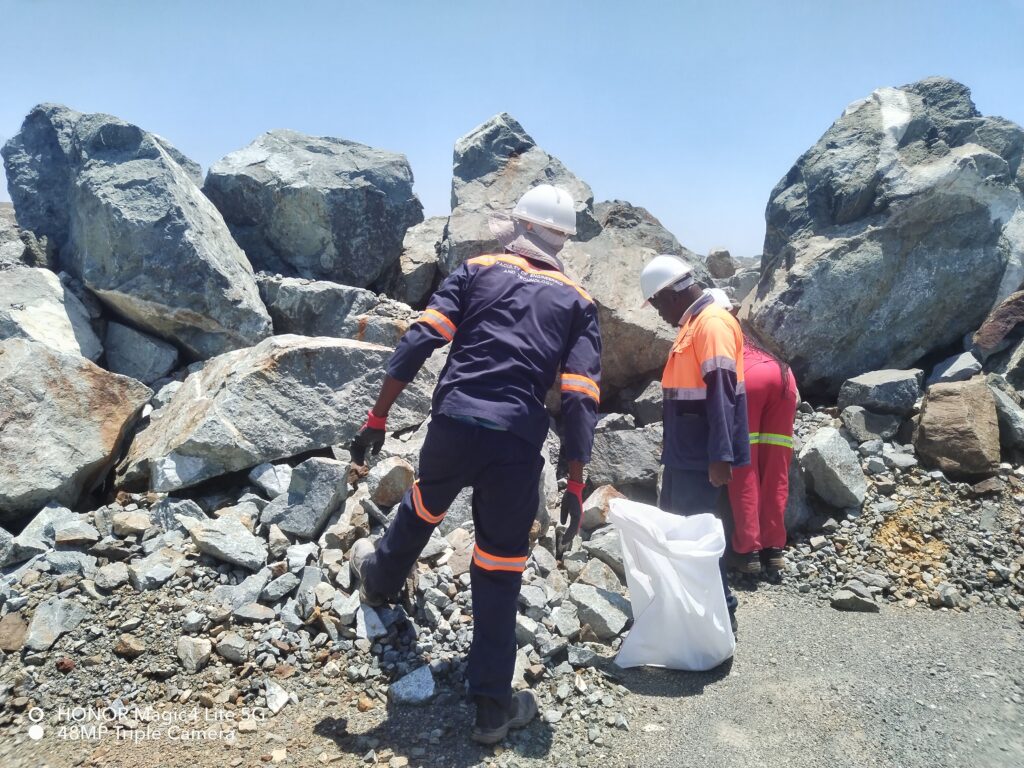
Waste at a Botswana nickel mine may hold battery metals
Researchers say waste material at a Botswana nickel mine contains viable amounts of nickel, cobalt and copper,…
SGCI funded projects
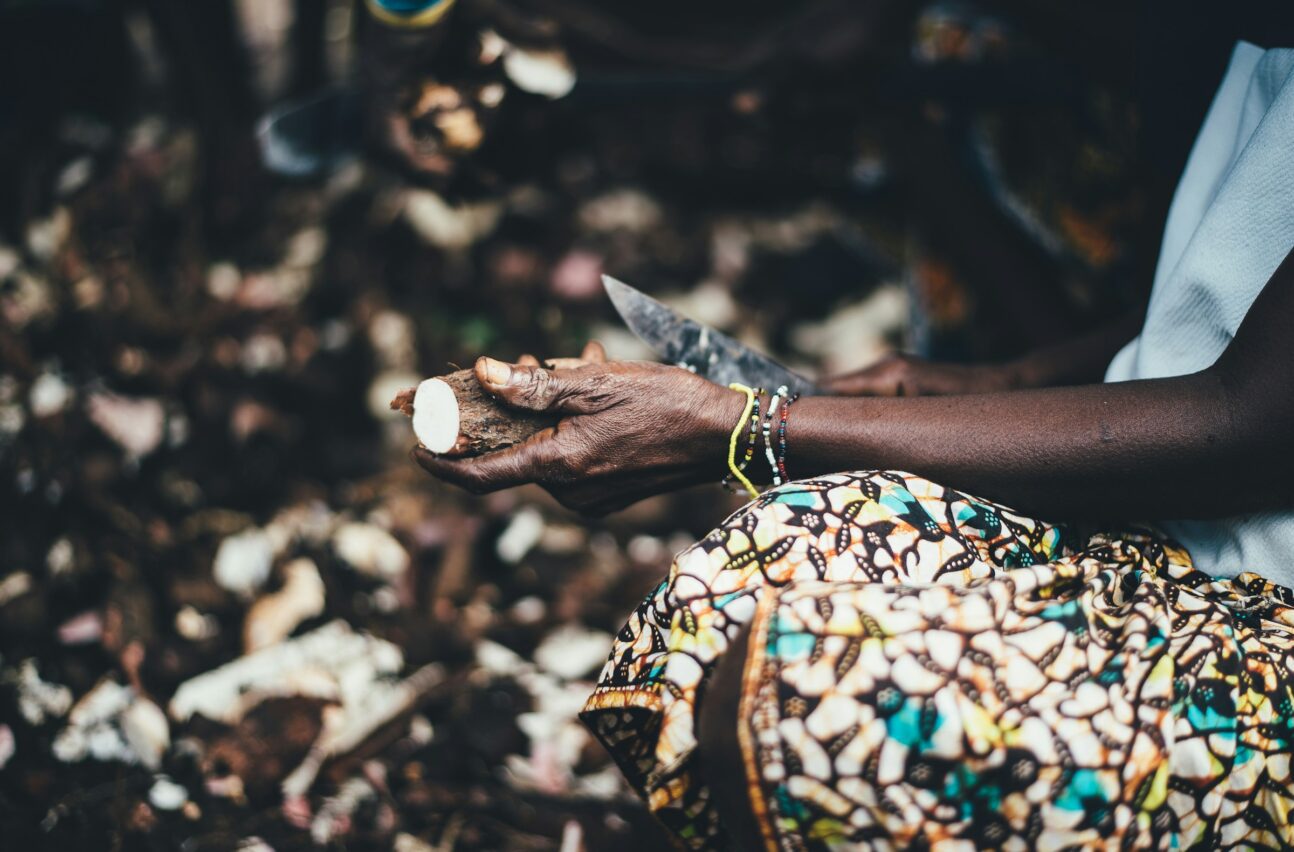
10 research projects transforming sweet potato, cassava and moringa in Burkina Faso
Project Titles & Institution Areas of Research Number of Projects being funded Project Duration Grant Amount In-Kind Distribution Council Collaboration with other councils

Senegal’s scientific solutions combat health, food challenges
Project Titles & Institution Areas of Research: Number of Projects being funded Project Duration Grant Amount In-Kind Distribution Council Collaboration with other councils


Related News
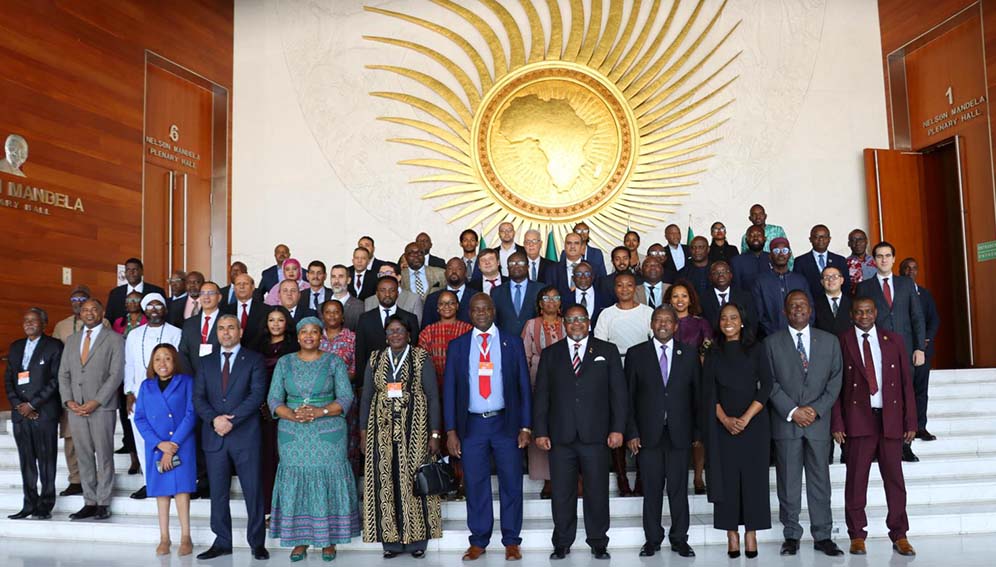
African Union backs science councils to drive STISA-2034 agenda
African Union ministers have recognised Science Granting Councils Initiative (SGCI) member institutions as primary vehicles for implementing Africa’s new science, technology and innovation strategy, strengthening the role of national research funding agencies in driving the continent’s development priorities. The recognition was made during the 6th…
Ghana strengthens safeguards for emerging malaria gene-drive research
As Ghana explores gene-drive technology as a potential tool for malaria control, stronger regulatory oversight and collaboration between research institutions and government will be essential to ensuring that scientific innovation does not compromise public health or environmental safety. Ghana is considering the scientific and regulatory…
Ivorian researchers develop solutions to illegal gold mining damage
Locally developed technologies for detecting heavy metals in water and restoring contaminated farmland could help Côte d’Ivoire address the environmental and public health consequences of illegal gold mining. Illegal gold mining has affected 29 of Côte d’Ivoire’s 31 regions, threatening water resources, agricultural land and…