SGCI News
A new grant appeals procedure in Zimbabwe, improved digital grant management in Namibia, and stronger gender inclusion leadership in Zambia are among the institutional changes emerging from efforts to strengthen…
A new grant appeals procedure in Zimbabwe, improved digital grant management in Namibia, and stronger gender inclusion leadership in Zambia are among the institutional changes emerging from efforts to strengthen research management across Sub-Saharan Africa.
Theme one of the Science Granting Councils Initiative Phase II (SGCI-2), implemented by the Southern African Research and Innovation Management Association (SARIMA) in partnership with the West African Research and Innovation Management Association (WARIMA), is strengthening the capacity of national research funders to manage grants, improve institutional processes and ensure research delivers meaningful development outcomes.
These developments show how sustained investment is helping science granting councils (SGCs) build more transparent, efficient and inclusive systems for funding and supporting research.
One notable example is Zimbabwe, where the Research Council of Zimbabwe (RCZ) has formally approved a Grant Award Appeals Standard Operating Procedure (SOP), addressing a gap identified during an SGCI technical assistance visit in June 2024.
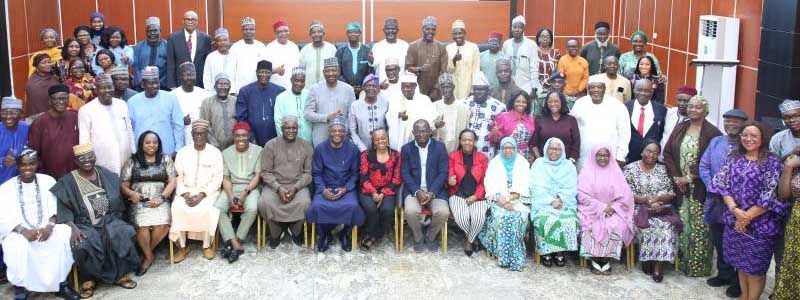
Previously, the council lacked a formal process for handling appeals against grant funding decisions. Recognising the implications for fairness, transparency and accountability, SARIMA worked with RCZ to develop an appropriate procedure. Following the initial visit, virtual engagements enabled the council to adapt standard templates to its institutional context, with experts providing further review and feedback.
The approved procedure is expected to be implemented in the council’s next funding call cycle.
In Namibia, the impact of research management support during SGCI Phase 1 is evident in the implementation of an Online Grants Management System (OGMS) by the National Commission on Research, Science and Technology (NCRST). NCRST says the system, supported by trained staff, is already facilitating competitive funding calls, more efficient workflows, stronger data integrity and evidence-informed funding decisions. SARIMA’s own reflection credits Namibia, alongside Uganda, with building on its Phase 1 groundwork in digital grant management.
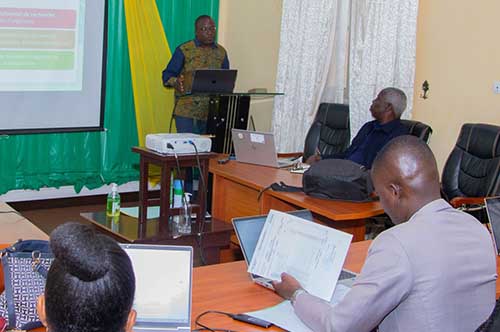
In Zambia, capacity strengthening has also contributed to changes in institutional leadership and gender inclusion. Nsama Chilumbu Mataka, a staff member of the National Science and Technology Council (NSTC), credits SARIMA’s online course on Gender in Science, Technology and Innovation, which she took during SGCI Phase 1, with inspiring her to champion gender mainstreaming within the institution. She now serves as its Gender Equality and Inclusion Coordinator, leading initiatives to promote inclusivity and institutional change.
These examples reflect the broader ambitions of SGCI-2, which supported science granting councils in 17 Sub-Saharan African countries. During the project’s second year, covering October 2024 to September 2025, it combined targeted technical assistance, professional development, peer learning and institutional engagement to address gaps in research and grants management.
Building capacity across the research lifecycle
The project’s interventions were informed by a needs assessment conducted in 2024, which identified managing funded research as the highest priority among participating councils.
In response, SARIMA and WARIMA delivered two accredited virtual training courses over the first two years, reaching more than 440 participants. The sessions covered funding opportunities, proposal development, financial accountability, research ethics, innovation, and communicating research impact.

The second course, delivered primarily in French in March 2025, expanded access for Francophone stakeholders. Feedback from 73 participants representing 12 African countries showed that 79 per cent felt the training met their expectations.
Beyond individual skills development, participants identified opportunities to share their learning through institutional workshops, mentorship and knowledge-sharing activities.
The project also extended its support through in-country technical assistance visits. Building on three visits conducted during the first year in Ethiopia, Mozambique, and Zimbabwe, including the Zimbabwe visit that led to the appeals procedure. Further engagements took place in Burkina Faso, Ghana, Malawi, Rwanda, Tanzania and Zambia, bringing the total number of supported countries to nine. More than 230 participants benefited from these engagements.
The visits addressed institutional priorities ranging from research funding strategies and managing funded research to monitoring and evaluation, partnerships, research uptake and policy development.
In Tanzania, for instance, the August 2025 engagement with the Commission for Science and Technology (COSTECH) focused on integrating impact throughout the research management lifecycle. Participants explored ways to incorporate impact into grant design, strengthen monitoring, evaluation, and learning frameworks, and develop strategies to ensure research findings influence real-world change.
Similarly, a technical assistance visit to Ghana’s Ministry of Environment, Science, Technology (MEST) in April 2025 helped identify practical actions for strengthening internal processes around research policy, planning and monitoring.
Professionalising research management
A further priority has been establishing research management as a recognised profession across the continent.
Through engagement with the International Professional Recognition Council (IPRC), the project has supported practitioners seeking professional recognition and encouraged wider adoption of the Professional Competency Framework.
Across the first two years, SGCI activities generated more than 80 IPRC training points, providing structured pathways towards professional recognition. Training and awareness activities were delivered in English, French and Portuguese, helping practitioners from different linguistic backgrounds access professional development opportunities.
The effort has also produced individual results. In December 2024, Luiza Mazazire from Namibia was awarded IPRC recognition as a Recognised Research Management Professional, the first SGC staff member to achieve it.
The award was marked at the first annual symposium co-hosted by the African Centre for Technology Studies and the Uganda National Council for Science and Technology.
The project has also strengthened collaboration among regional Research and Innovation Management Associations (RIMAs). A significant development has been the formalisation of an agreement to establish the Pan-African Network of Research and Innovation Management Associations (PAN-RIMA).
The network is expected to deepen collaboration, strengthen professional standards and improve the coordination of research and innovation management across Africa.
Beyond individual institutions
These interventions’ growing influence is also reflected in collaborations extending beyond the initiative’s immediate activities.
In Angola, engagement between SARIMA and the Fundação para o Desenvolvimento Científico e Tecnológico (FUNDECIT) has developed into a growing partnership.
After participating in the 2024 SARIMA conference in Mozambique, the organisation independently supported a three-member delegation to the 2025 conference, signalling increased ownership of regional collaboration.
In Malawi, established relationships between SARIMA and the National Commission for Science and Technology have helped connect the council to wider opportunities in innovation and technology transfer.
As the SGCI enters its third phase, it will focus on deepening technical assistance, expanding advanced training, strengthening professional recognition, and sharing knowledge across participating councils.
Ultimately, the project’s experience highlights an important shift that research management is increasingly being recognised as a strategic component of Africa’s science and innovation systems.
Stronger institutions, more accountable funding processes and professional research management capacity are essential to ensuring that investment in African research translates into lasting socioeconomic impact.
This article is a summary of the SARIMA Year 2 newsletter on the research management project under SGCI-2, covering 1 October 2024 to 30 September 2025.
Please check out the stories and let us know what you think. We would love to hear from you!
Let’s continue the conversation on our social media
Published on 3 November 2026By Jackie Opara-Fatoye
Related News
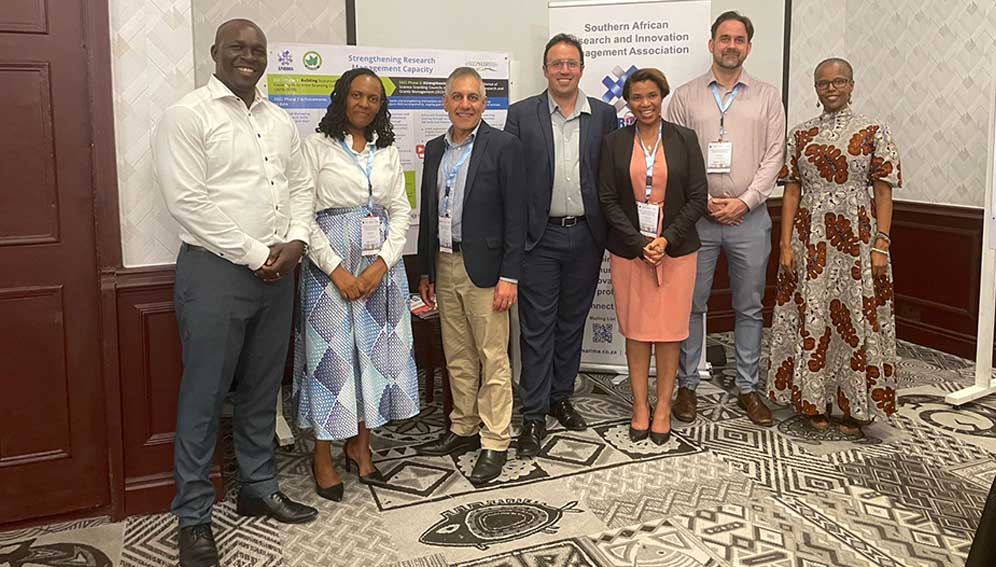
How research management is changing Africa’s science funders
A new grant appeals procedure in Zimbabwe, improved digital grant management in Namibia, and stronger gender inclusion leadership in Zambia are among the institutional changes emerging from efforts to strengthen research management across Sub-Saharan Africa. Theme one of the Science Granting Councils Initiative Phase II…
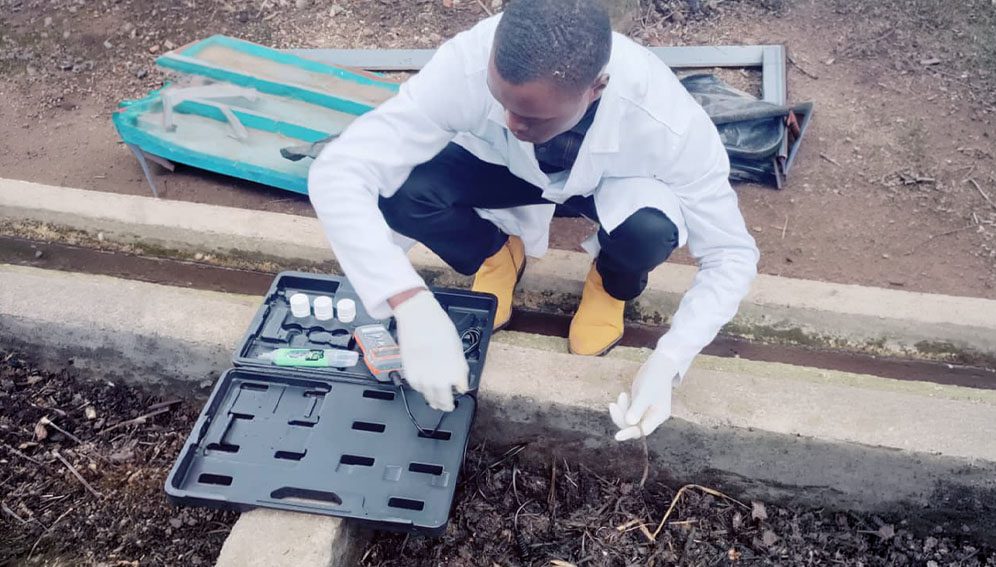
Can Rwanda’s farm waste help restore its depleted soils?
Locally developed vermicompost and biochar show promise for improving crop yields and soil health, but researchers say further testing is needed before wider adoption. The vermicompost process uses tiger worms to break down prepared organic materials into a dark, crumb-like product, while the biochar is…
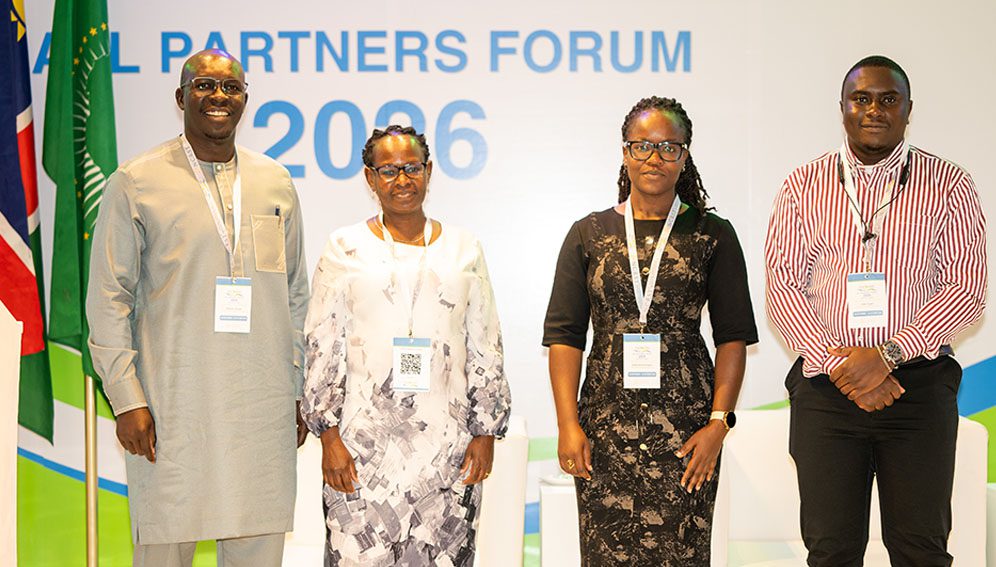
Voices from the SGCI Forum: Building an African-led science system
From calls for African-led research funding to stronger engagement with communities and governments, participants at the 2026 Science Granting Councils Initiative (SGCI) All Partners Forum left Windhoek with a shared sense that Africa’s science and innovation systems are entering a new phase. Held from 28…


SGCI funded projects
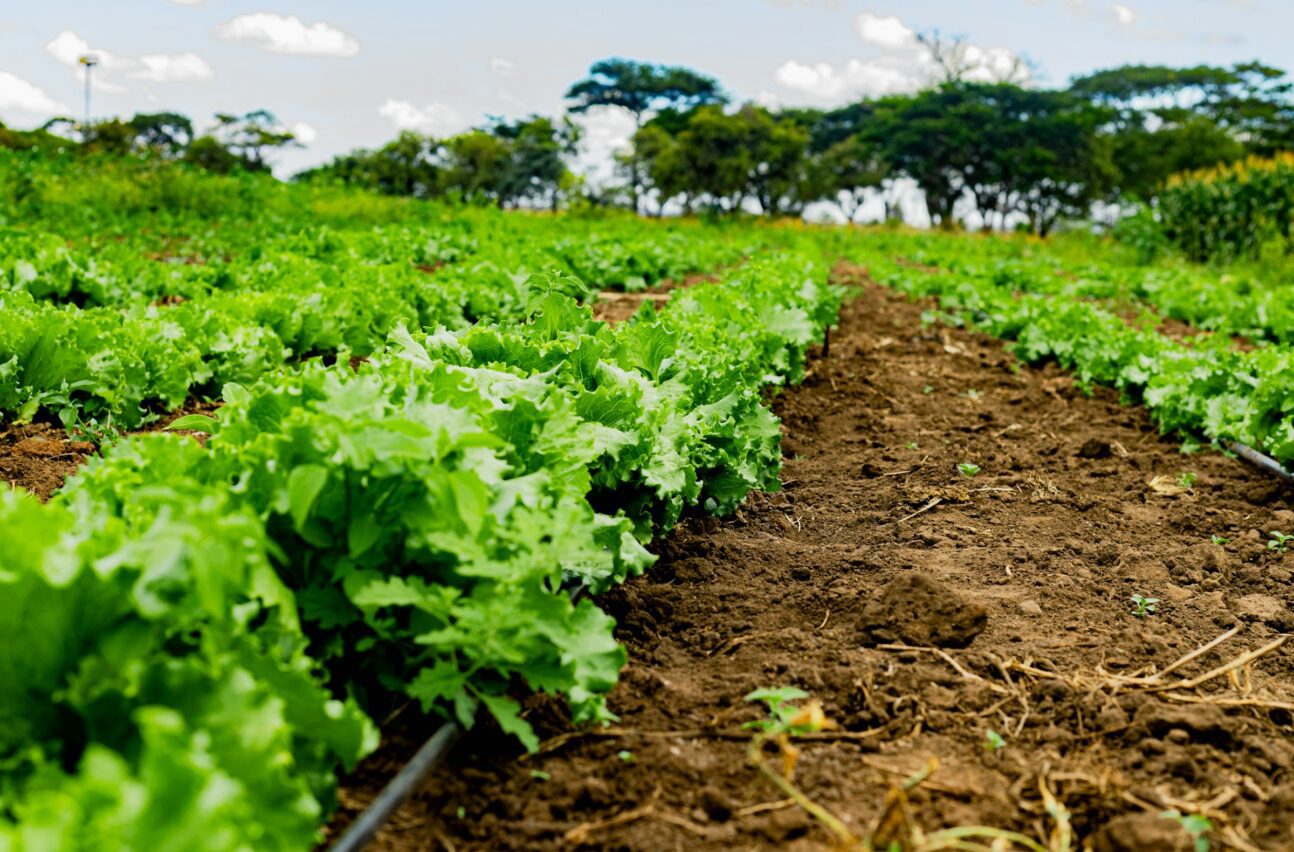
Rwanda’s integrated approach to sustainable agriculture and nutrition
Project Titles & Institution Areas of Research Number of Projects being funded Project Duration Grant Amount In-Kind Distribution Council Collaboration with other councils