
SGCI News
Science, technology, and innovation (STI) in Africa are critical to the continent’s future development and growth. From strengthening skills and institutions to applying science in industry, research goals are interconnected…
Science, technology, and innovation (STI) in Africa are critical to the continent’s future development and growth. From strengthening skills and institutions to applying science in industry, research goals are interconnected and build on one another. Under STISA-2034, no single institution, funder, or country can deliver the continent’s goals alone. Addressing them requires collective action. Therefore, it is essential for building stronger, more sustainable research and innovation systems. Africa’s STI partnerships and co-investment can help turn ambition into lasting results, but how can they be designed to achieve the greatest impact?
Ahead of the 2026 SGCI All Partners Forum in Windhoek, Namibia, where partners will advance the implementation of SGCI-3, we take a closer look.
How partnerships strengthen STI systems
Research and innovation require many components to be successful, making effective partnerships essential. Science Granting Councils, funders, innovation agencies, and technical partners each bring different strengths. This is where Africa’s STI partnerships play an important role. By combining their resources, expertise and networks, they can achieve more together than they could alone.
Take, for example, Science Granting Councils. They bring knowledge of national priorities and expertise in research funding. Funders provide financial support for ambitious, longer-term programs. Technical partners contribute specialist knowledge, tools, and opportunities for peer learning. Innovation and policy actors can help shape the environment in which research and innovation can flourish and support the adoption and scaling of new ideas.
For these partnerships to work, they need to be complementary, equitable, and led at a local level. They should be part of the fabric of science, technology, and innovation systems across Africa.
How Co-investment can create greater impact
While partnerships bring people and organizations together, co-investment combines financial resources around shared goals. This brings synergy. When partners align funding, they can achieve results that are greater than the sum of their parts.
Specifically, co-investment offers three clear benefits. Firstly, it can support larger, multi-country research and innovation initiatives. Second, it can reduce fragmentation and overlap so funds are not spent unnecessarily on the same or very similar things. Thirdly, it can strengthen sustainability by combining national, regional, and international resources and sharing risks.
Moreover, co-investment goes beyond funding organizations pooling their resources. It also includes their support in leveraging and strengthening public investment in science, technology and innovation through the Science Granting Councils. The Science Granting Councils Initiative (SGCI) is a case in point.
Since 2015, it has strengthened the institutional capacities of African science granting councils (SGCs). The initiative supports councils in their primary role of funding research and innovation and translating it into policy and practice. SGCI’s work shows that partnerships can catalyze public investment in national and regional science, technology, and innovation in Africa, rather than replacing it.
SGCI-3 and the SGCI Alliance: Africa’s STI partnerships in action
Between 2015 and 2025, two successive five-year phases (SGCI-1 and SGCI-2) strengthened institutional capacities and co-invested in local research projects. This improved organizational performance, research funding systems, and science policy engagement. It also helped councils strengthen their role as research funders, collaborators, and contributors to national STI systems.
At the Annual Forum in September 2025, SGCs made a collective commitment to contribute to the African Union Science, Technology and Innovation Strategy for Africa 2034 (STISA-2034). This established the basis for the SGCI Alliance. The SGCI Alliance brings together African councils, regional and global partners, and international funders. Together, they work to strengthen science, technology, and innovation in Africa. The Alliance supports systems across the continent.
This year, that commitment is turning into concrete action through the establishment of the third phase of SGCI. SGCI-3 marks a strategic shift from a primary focus on institutional capacity strengthening. It will introduce a stronger emphasis on system-level change, partnership-driven implementation, and coordinated investments.
SGCI-3 is funded by Canada’s International Development Research Centre (IDRC), the Government of Norway, the United Kingdom’s Foreign, Commonwealth and Development Office (FCDO), and Wellcome. The German Research Foundation (DFG) and South Africa’s National Research Foundation (NRF) will make parallel contributions.
SGCI-3 will focus on:
- Co-funding high-quality research and innovation aligned with development priorities;
- Strengthening councils’ strategic positioning for STI policy influence; and
- Reinforcing national and regional research and innovation systems.
- Strong councils can become even stronger system actors when they are connected through effective partnerships. The event is a landmark step towards this goal.
Looking ahead
The future of science, technology, and innovation in Africa will partly depend on how well partners and funders work together. This means moving from fragmented projects and investments towards greater coordination, shared priorities, and stronger national and regional systems.
African leadership and ownership must remain at the centre of future partnerships and investments. International funding and technical expertise are valuable. However, they have the greatest impact when they support locally led priorities and facilitate initiatives that deliver sustainable, long-term solutions.
SGCI and the SGCI Alliance show what this approach can look like in practice. The opportunity now is to build on that experience and strengthen collaboration across the continent.
African countries do not simply need more investment in science, technology, and innovation. They need stronger STI partnerships, well-connected investment, and regionally led collaboration that can turn resources into lasting impact.
Related News
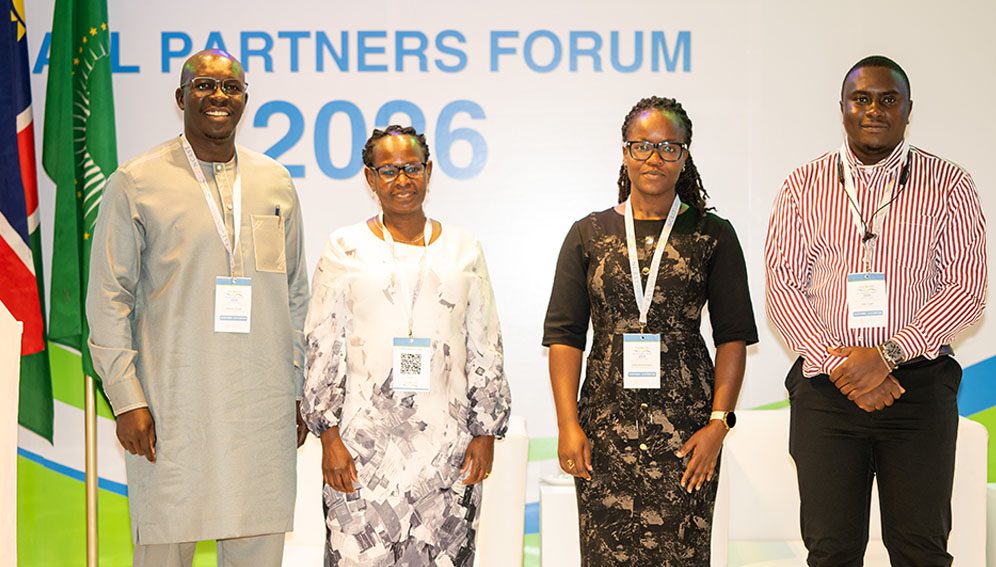
Voices from the SGCI Forum: Building an African-led science system
From calls for African-led research funding to stronger engagement with communities and governments, participants at the 2026 Science Granting Councils Initiative (SGCI) All Partners Forum left Windhoek with a shared sense that Africa’s science and innovation systems are entering a new phase. Held from 28…
NRF champions science, climate action and youth empowerment
Kenya’s National Research Fund (NRF) is strengthening efforts to connect scientific research, innovation and youth participation with practical responses to climate and environmental challenges. NRF chief executive officer Dickson Andala represented the fund at the launch of the Climate Policy and Advocacy Training – Cohort…
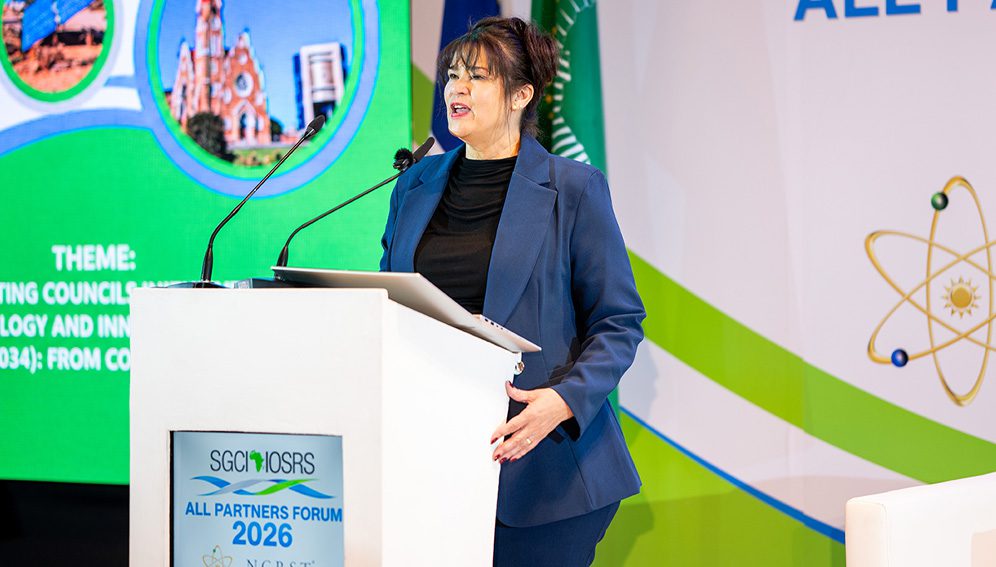
Windhoek Declaration: African science funders pledge to act as one
Science granting councils say Africa’s research systems need African ownership, steadier funding and less fragmentation. Here is what they agreed in Windhoek. African science granting councils adopted a collective declaration in Windhoek, Namibia, on 1 October 2026, as part of the Science Granting Councils Initiative…


SGCI funded projects
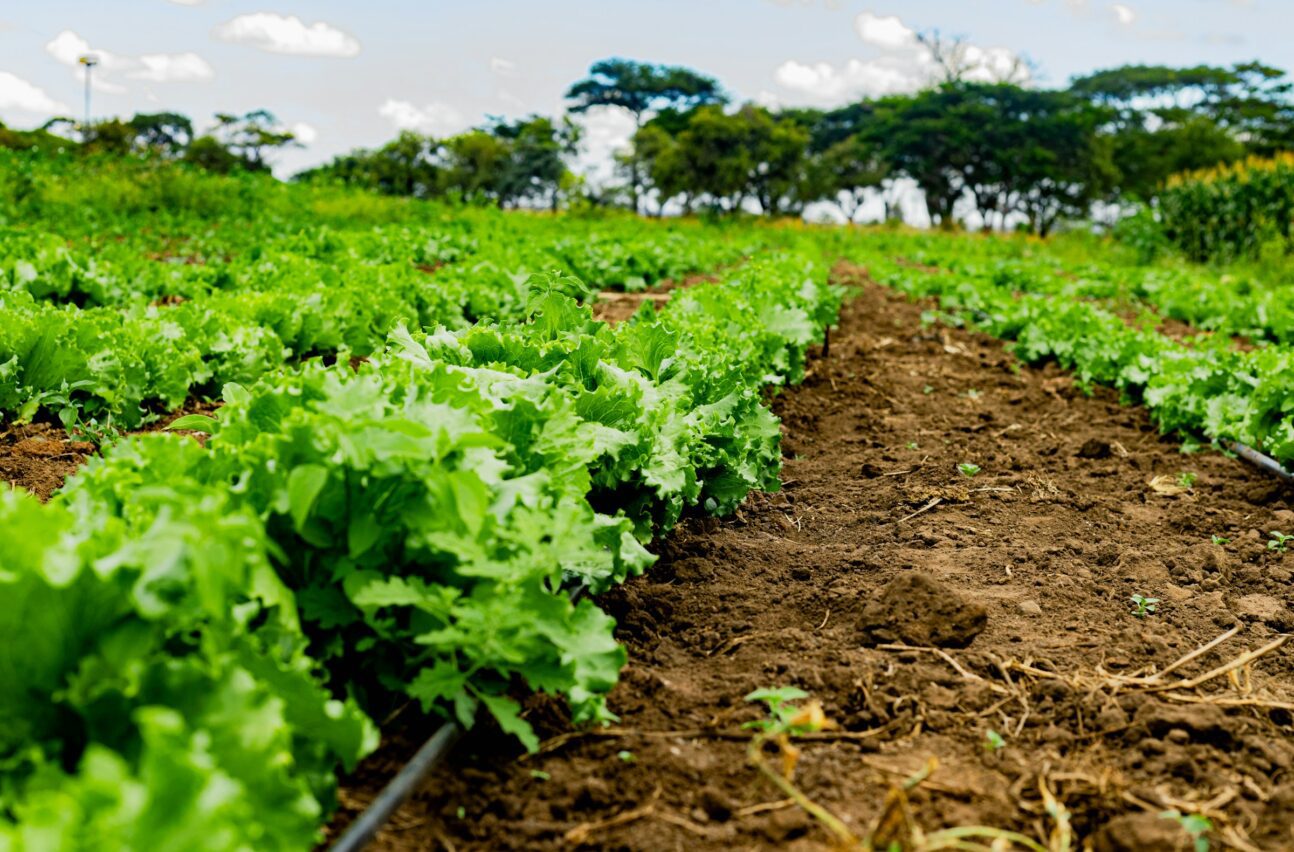
Rwanda’s integrated approach to sustainable agriculture and nutrition
Project Titles & Institution Areas of Research Number of Projects being funded Project Duration Grant Amount In-Kind Distribution Council Collaboration with other councils