
SGCI News
The 2025 SGCI All Partners Forum and STISA 2034 Advocacy Meeting held last week brought together councils, funders, coordinating technical agencies, and partners to reflect on a decade of progress…
The 2025 SGCI All Partners Forum and STISA 2034 Advocacy Meeting held last week brought together councils, funders, coordinating technical agencies, and partners to reflect on a decade of progress and chart the way forward for Africa’s science, technology, and innovation (STI) agenda.
Since its inception in 2015, the Science Granting Councils Initiative (SGCI) has supported 17 councils in sub-Saharan Africa in strengthening research management, fostering regional collaboration, and promoting gender equality and inclusion.
This year’s Forum marks a milestone gathering, inviting participants to reflect on lessons learned over the past decade, share stories of change, and explore new strategies to mobilise funding, deepen partnerships, and align more closely with continental priorities.
Day two marked the official opening of the Forum. Moderated by Ibrahim Asante, the session began with opening remarks from Santiago Alba-Corral, vice president of Programs and Partnerships at the International Development Research Centre (IDRC), who reaffirmed IDRC’s commitment to SGCI as a driver of science-led development in Africa.
He also welcomed Angola and Togo as the newest members of the Initiative.
Martin Ongol of the Uganda National Council for Science and Technology and Abigail Opoku Mensah of the Ghana National Research Fund reflected on the role SGCI has played in strengthening national councils and enhancing their ability to support research and innovation.
A keynote address by Yusif Sulemana, Ghana’s deputy minister for Lands and Natural Resources, highlighted the critical role of science, innovation, and partnerships in advancing Africa’s development agenda. His remarks set the tone for a day of rich discussions and knowledge exchange.
Participants engaged in interactive sessions exploring lessons from the second phase of SGCI, with councils sharing experiences on building effective public-private partnerships, mainstreaming gender equality and inclusivity, digitalising grants management systems, strengthening research excellence and financial practices, and establishing new councils.
The sessions underscored the progress made by councils in improving systems and practices, while also pointing to areas where continued collaboration and investment are required.
In a plenary led by Rebecca Hanlin of the University of Johannesburg, delegates identified three key systemic lessons emerging from SGCI-2, reflecting on the areas where councils have collectively advanced and where further progress is needed.
The day closed with a vibrant poster exhibition where councils and technical agencies presented their stories of change, creating opportunities for peer learning, networking, and exchange. The Forum ended with deep resolve to strengthen partnerships for the next steps for SGCI.
This summary draws on coverage compiled by the African Centre for Technology Studies (ACTS) during the Forum.
Please check out the stories and let us know what you think. We would love to hear from you!
Let’s continue the conversation on our social media
Published on 23 September 2025
Related News
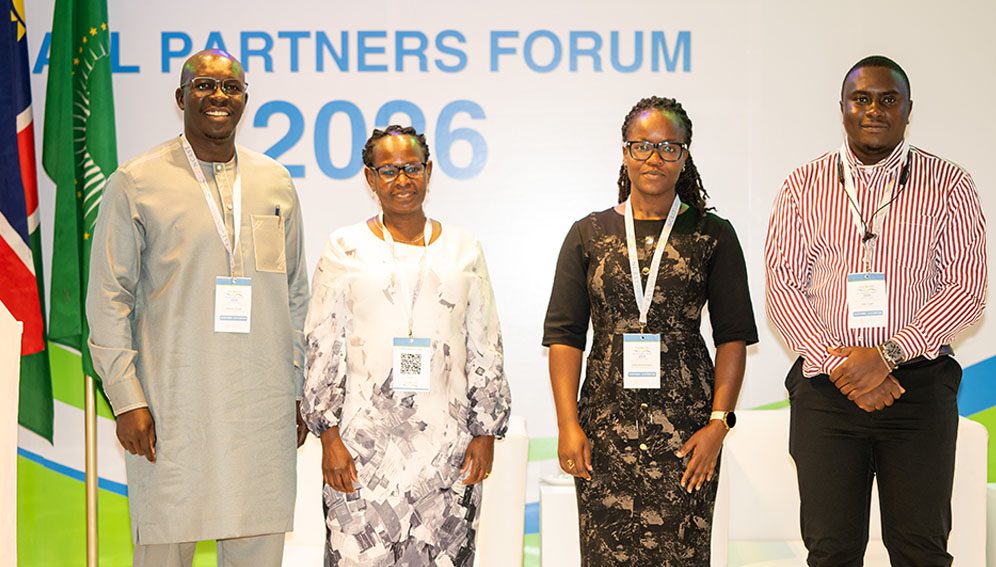
Voices from the SGCI Forum: Building an African-led science system
From calls for African-led research funding to stronger engagement with communities and governments, participants at the 2026 Science Granting Councils Initiative (SGCI) All Partners Forum left Windhoek with a shared sense that Africa’s science and innovation systems are entering a new phase. Held from 28…
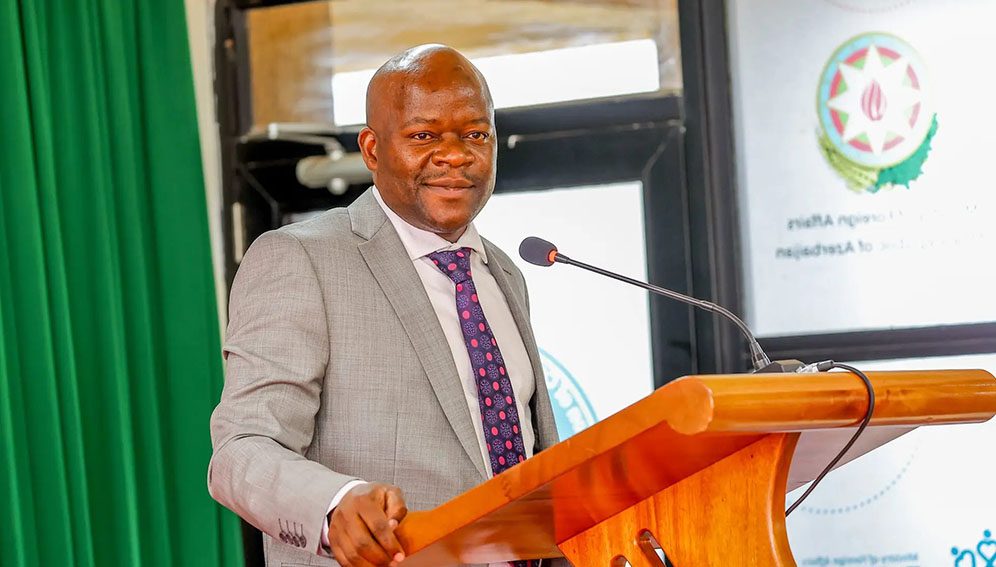
NRF champions science, climate action and youth empowerment
Kenya’s National Research Fund (NRF) is strengthening efforts to connect scientific research, innovation and youth participation with practical responses to climate and environmental challenges. NRF chief executive officer Dickson Andala represented the fund at the launch of the Climate Policy and Advocacy Training – Cohort…
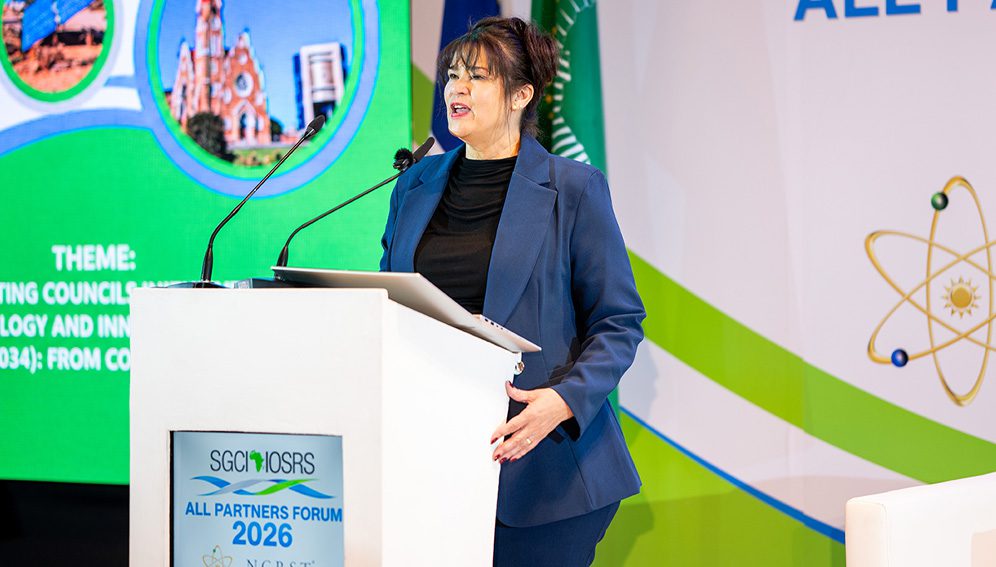
Windhoek Declaration: African science funders pledge to act as one
Science granting councils say Africa’s research systems need African ownership, steadier funding and less fragmentation. Here is what they agreed in Windhoek. African science granting councils adopted a collective declaration in Windhoek, Namibia, on 1 October 2026, as part of the Science Granting Councils Initiative…


SGCI funded projects

Rwanda’s integrated approach to sustainable agriculture and nutrition
Project Titles & Institution Areas of Research Number of Projects being funded Project Duration Grant Amount In-Kind Distribution Council Collaboration with other councils