
SGCI News
With the growing need to improve the quality, integrity, and impact of scientific work in the country, the Research Council of Zimbabwe (RCZ) has convened a three-day Research Excellence and…
With the growing need to improve the quality, integrity, and impact of scientific work in the country, the Research Council of Zimbabwe (RCZ) has convened a three-day Research Excellence and Research Ethics Workshop aimed at strengthening governance and ethical standards across the national research system.
Held from 27–29 October 2025 in Harare, the workshop gathered RCZ board members, staff, and representatives from leading universities including Solusi University (SU), Zimbabwe Ezekiel Guti University (ZEGU), University of Zimbabwe, Lupane State University, Midlands State University, Chinhoyi University of Technology, Bindura University of Science Education Official, Agricultural Research Council, SIRDC and Marondera University of Agricultural Science and Technology.
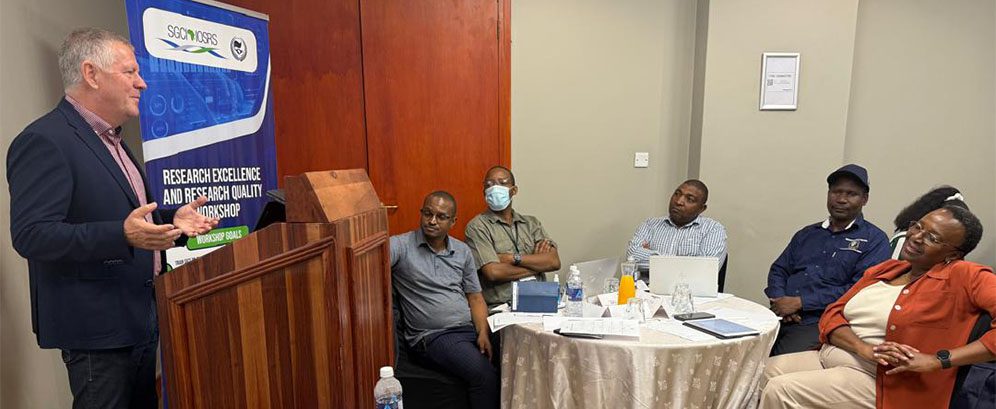
The workshop forms part of the Research Management Project, implemented under the Science Granting Councils Initiative (SGCI) with support from the International Development Research Centre (IDRC) and the UK Foreign, Commonwealth and Development Office (FCDO).
Addressing persistent issues across the sector, sessions focused on improving rigor and reproducibility in research, strengthening proposal development skills, and tackling fundraising challenges that continue to constrain research output.
Facilitators from the Association of African Universities in Ghana, Mathias Seeler, Rakeshnie Ramoutar-Prieschl, and Ruth Dickson, guided participants through critical areas such as the RQ+ framework, high-impact research design, and persuasive grant proposal writing.

The RQ+ framework provides a systems-informed approach to defining and evaluating research quality, as well as its positioning for use and impact.
The workshop represents a strategic effort to empower Zimbabwe’s research ecosystem to achieve greater excellence, integrity, and influence within national and regional research systems.
Please check out the stories and let us know what you think. We would love to hear from you!
Let’s continue the conversation on our social media
Published on 21 November 2025
Related News
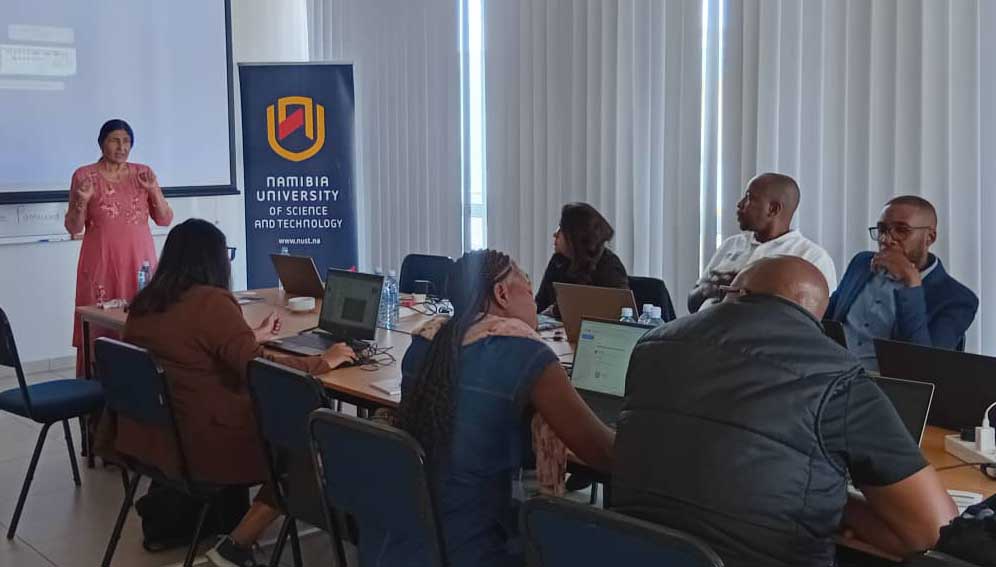
Tiny satellites help warn communities of deadly floods
Flash floods have become a recurring threat in parts of Namibia, cutting off communities, trapping school children, and, in some cases, leading to fatalities. But a locally led space-tech initiative is working to change that by bringing faster, more precise disaster warnings closer to home….
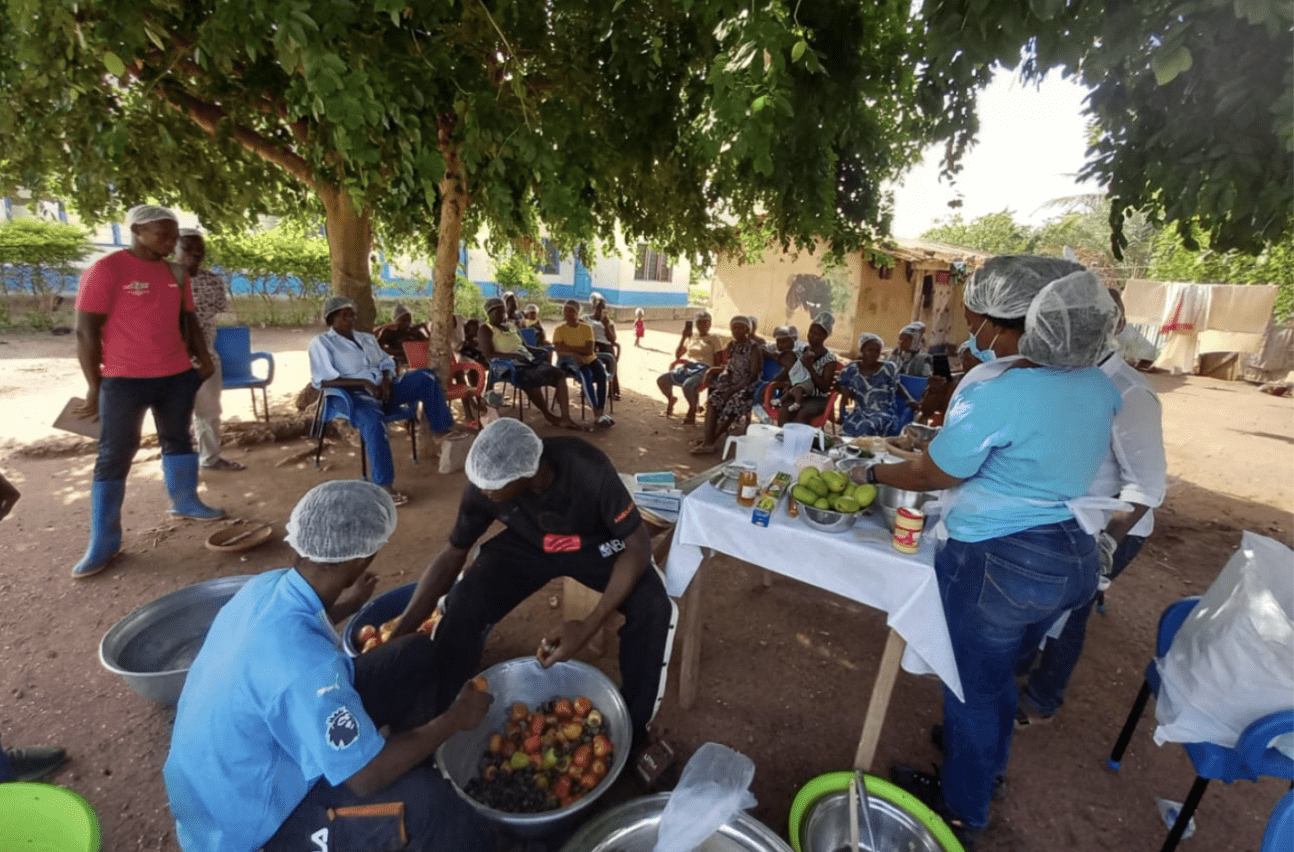
How storytelling is amplifying SGCI-funded innovations
For many researchers, publishing scientific findings in academic journals has long been the primary way to share knowledge. But increasingly, there is recognition that research must also be communicated in ways that reach broader audiences, policymakers, industry partners, communities, and fellow innovators who can translate…

Namibia hosts SGCI meeting as Anicia Peters leads alliance
Namibia is set to take on a prominent leadership role in Africa’s science, technology, and innovation landscape as Anicia Peters, chief executive officer of the National Commission on Research, Science and Technology (NCRST), prepares to assume the Presidency of the Science Granting Councils Initiative (SGCI)…

SGCI funded projects

Rwanda’s integrated approach to sustainable agriculture and nutrition
Project Titles & Institution Areas of Research Number of Projects being funded Project Duration Grant Amount In-Kind Distribution Council Collaboration with other councils