
SGCI News
As we step into 2026, research-driven innovation continues to shape how communities respond to long-standing development challenges, from health and food security to climate resilience, jobs, and sustainable industry. Backed…
As we step into 2026, research-driven innovation continues to shape how communities respond to long-standing development challenges, from health and food security to climate resilience, jobs, and sustainable industry. Backed by the Science Granting Councils Initiative (SGCI), these projects show how local science, when aligned with national priorities, can generate practical solutions with lasting impact.
This final instalment of the Innovation Highlight Series brings together six forward-looking innovations that point to what lies ahead in the coming year: youth-led agribusinesses, digital health tools, climate-smart farming systems, nutrition solutions rooted in local food, greener construction methods, and sustainable alternatives for critical industries. Together, they offer a glimpse of the innovation pathways SGCI will continue to strengthen in 2026.
Cashew waste becomes a lucrative business for Ghana’s youth

In Ghana, young people are turning what was once agricultural waste into new sources of income. Through the Maximising Gains from Cashew Production for Youth Development (MA-CASH) project, youth are learning how to process discarded cashew apples into juice, snacks, compost and animal feed. Run by the Council for Scientific and Industrial Research (CSIR) with support from the Ministry of Environment, Science and Technology and funding from Canada’s International Development Research Centre, the initiative tackles food waste while opening up low-cost livelihood opportunities in rural areas.
Mobile app aims to bridge Ghana’s rural healthcare gap
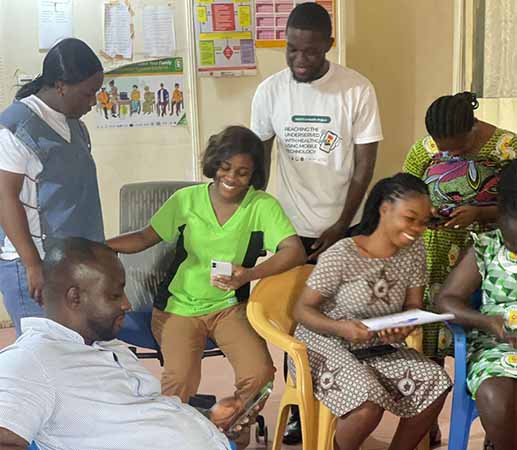
For years, frontline nurses in Ghana’s community-based health planning services (CHPS) have worked without access to laboratories, ultrasound machines or reliable electricity. Researchers at Kwame Nkrumah University of Science and Technology (KNUST) are now addressing this gap with a mobile application designed to support maternal healthcare decision-making in remote areas. By improving referrals and access to timely information, the tool could reduce preventable maternal deaths and strengthen emergency care in underserved communities.
Pay-as-you-go solar irrigation supports rural women
A solar-powered, pay-as-you-go irrigation system being piloted in Mozambique and Zambia is helping farmers reduce dependence on rainfall while easing the burden of water collection on women. Developed by researchers at the University of Zambia and their Mozambican counterparts, the photovoltaic system delivers affordable, climate-smart irrigation in regions increasingly affected by droughts and floods. The innovation highlights how renewable energy can support food production, gender equity and climate resilience.
Ugandan scientist turns beetroot into an anaemia cure
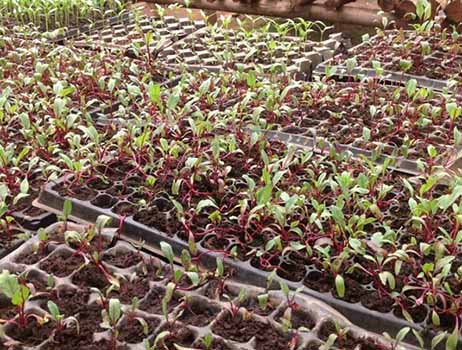
In Uganda, locally available beetroot is being transformed into an iron-fortified nutraceutical to combat anaemia among mothers and children. Supported by SGCI through the Uganda National Council for Science and Technology (UNCST), the research shows that beetroot’s natural pigments — betalains — significantly enhance iron absorption. By combining local food knowledge with scientific validation, the innovation improves health outcomes while creating opportunities for farming and processing enterprises.
Harnessing traditional materials for climate-smart development in Ghana
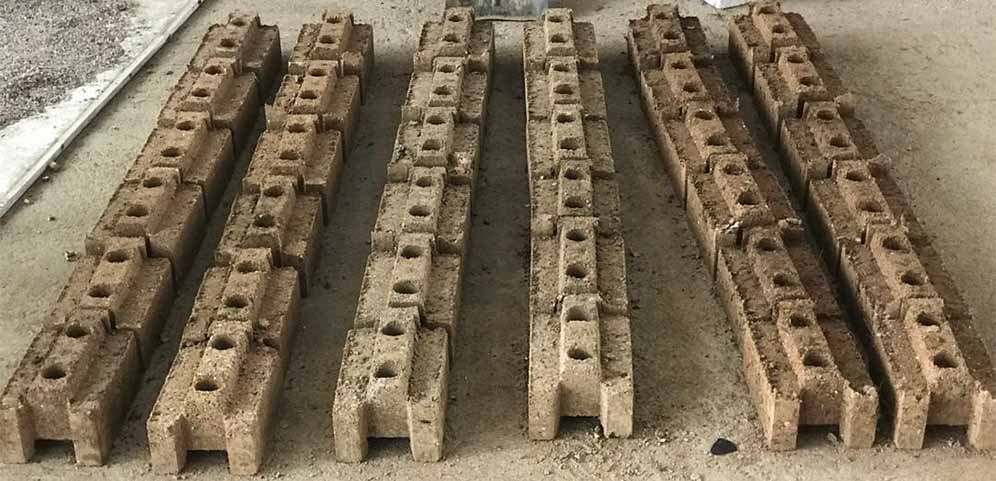
Researchers in Ghana are reimagining traditional building materials as part of a modern, climate-smart construction approach. Led by Bolgatanga Technical University, the project integrates eco-friendly materials, renewable energy, and smart technologies to reduce emissions and improve energy efficiency. Supported by SGCI and Ghana’s Ministry of Environment, Science, Technology, and Innovation (MESTI), the initiative points to new pathways for sustainable construction that also create local economic opportunities.
Researchers offer sustainable future for Malawi’s tobacco industry

In Malawi, where tobacco underpins the national economy but drives widespread deforestation, researchers are testing biomass briquettes made from crop residues as an alternative fuel for curing tobacco. Supported by SGCI, the study explores whether agricultural waste such as maize stalks and rice husks can replace firewood, cutting costs for farmers while protecting forests. The findings offer a potential lifeline for an industry under environmental pressure.
As this series concludes, it is clear that African-led research is delivering solutions that are practical, inclusive, and scalable.
In 2026, SGCI and its partners will continue to deepen support for innovations that strengthen livelihoods, improve well-being, and build resilience, ensuring that science remains firmly connected to the needs of communities across the continent.
Please check out the stories and let us know what you think. We would love to hear from you!
Let’s continue the conversation on our social media
Published on 6 January 2026
Related News
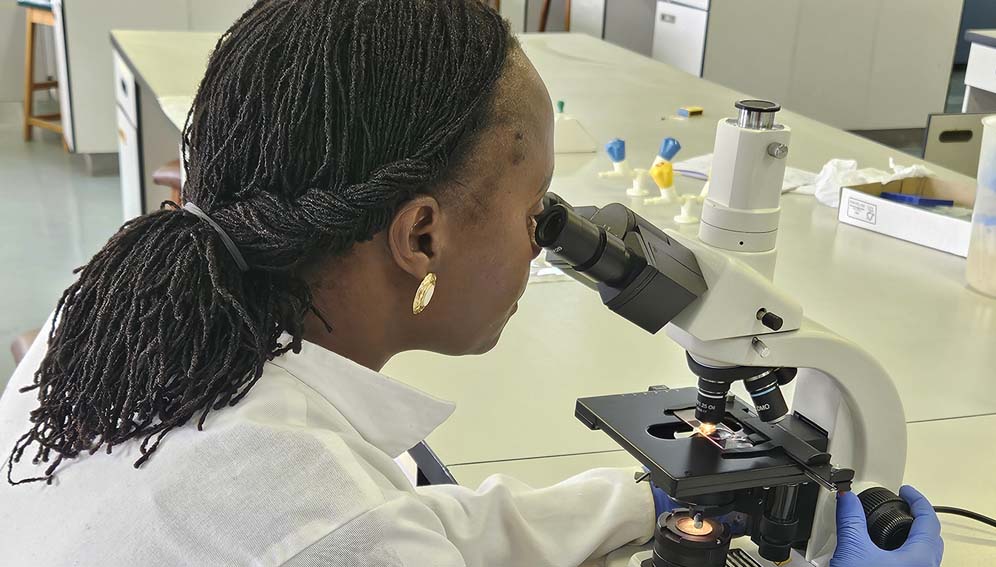
Microbes offer path to climate-smart farming
In Namibia’s dry and unpredictable climate, where farmers contend with poor soils and short rainfall seasons, researchers are working to reshape how crops are grown across the country. At the University of Namibia, Moola Nyambe is leading this research with support from the Science Granting Councils Initiative (SGCI) through Namibia’s…
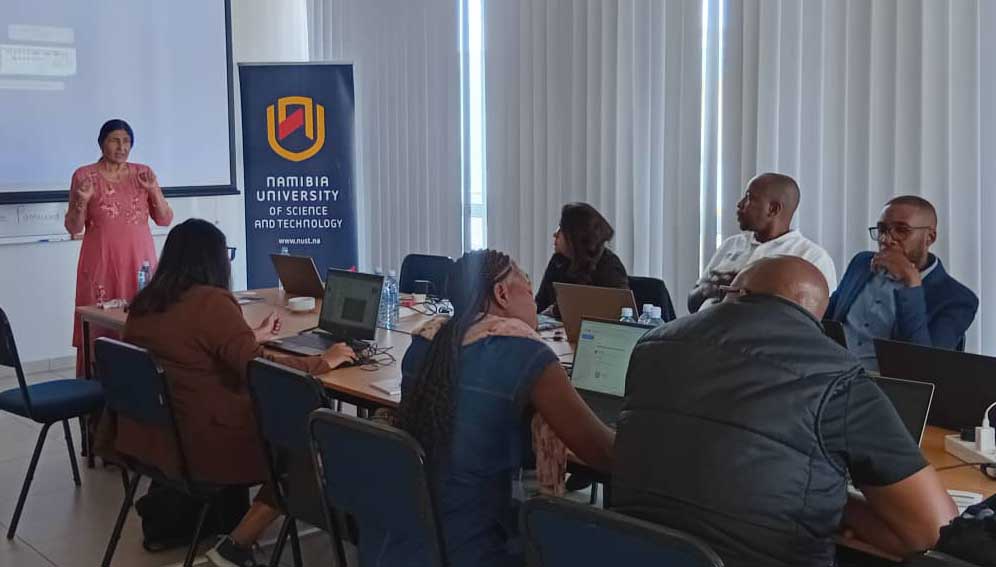
Tiny satellites help warn communities of deadly floods
Flash floods have become a recurring threat in parts of Namibia, cutting off communities, trapping school children, and, in some cases, leading to fatalities. But a locally led space-tech initiative is working to change that by bringing faster, more precise disaster warnings closer to home….
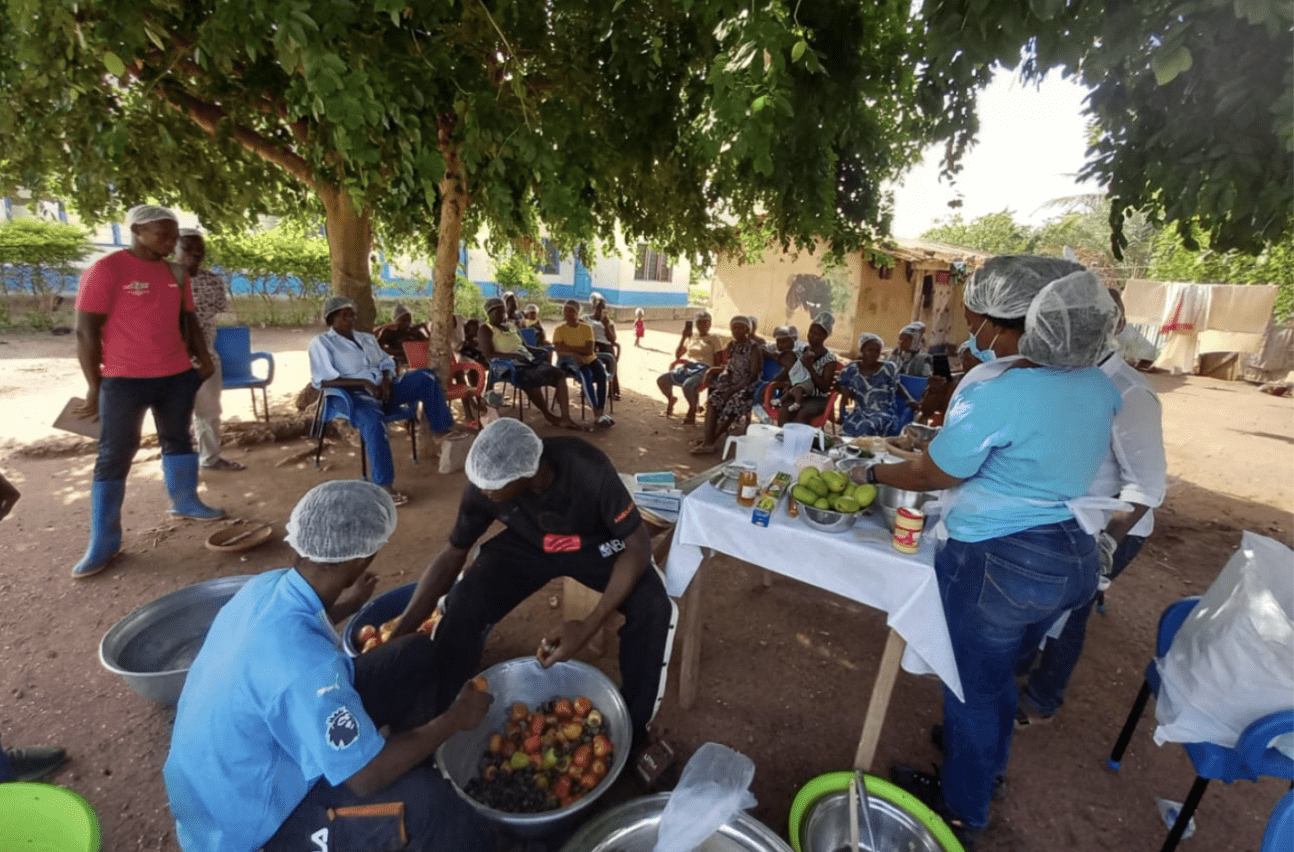
How storytelling is amplifying SGCI-funded innovations
For many researchers, publishing scientific findings in academic journals has long been the primary way to share knowledge. But increasingly, there is recognition that research must also be communicated in ways that reach broader audiences, policymakers, industry partners, communities, and fellow innovators who can translate…
Research and Resources

SGCI funded projects
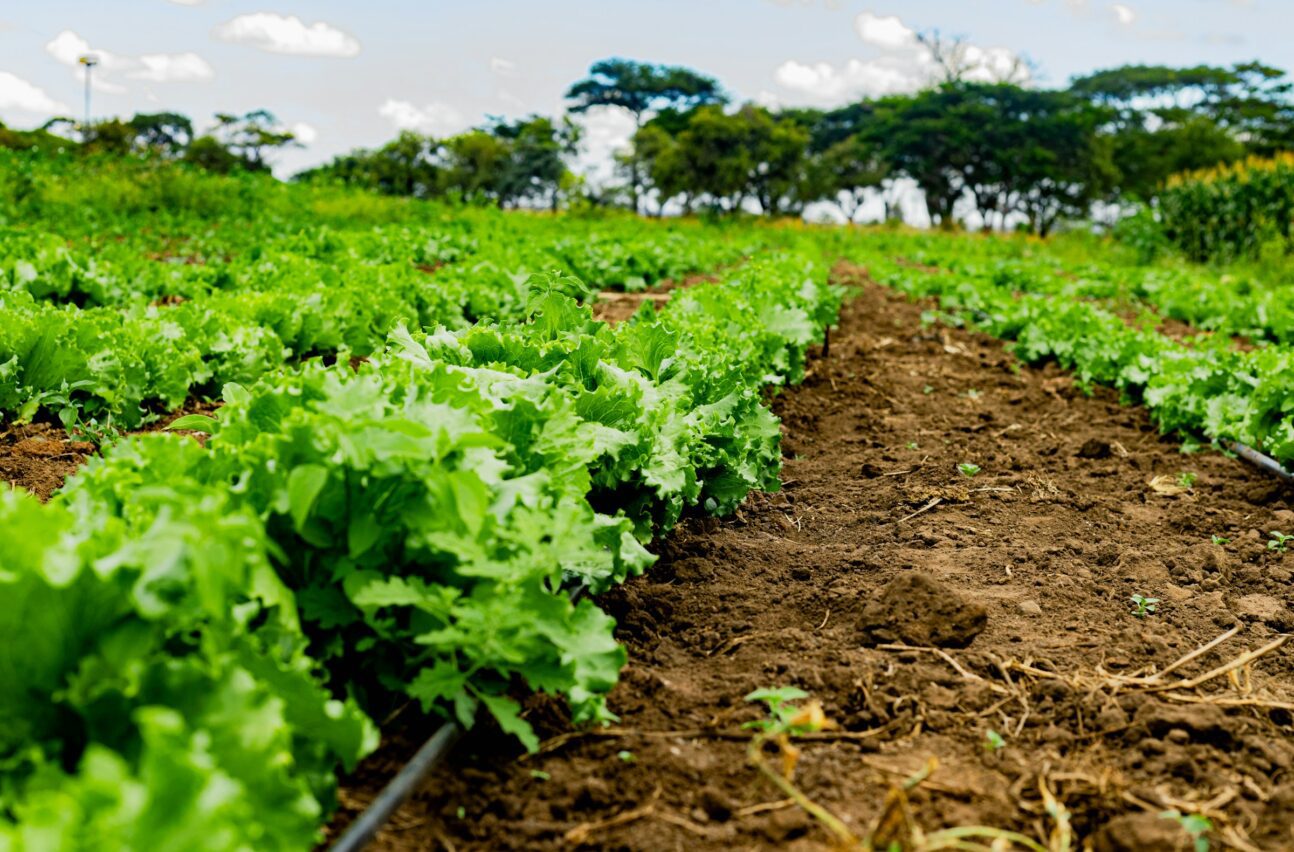
Rwanda’s integrated approach to sustainable agriculture and nutrition
Project Titles & Institution Areas of Research Number of Projects being funded Project Duration Grant Amount In-Kind Distribution Council Collaboration with other councils