SGCI News
Namibia is set to take on a prominent leadership role in Africa’s science, technology, and innovation landscape as Anicia Peters, chief executive officer of the National Commission on Research, Science…
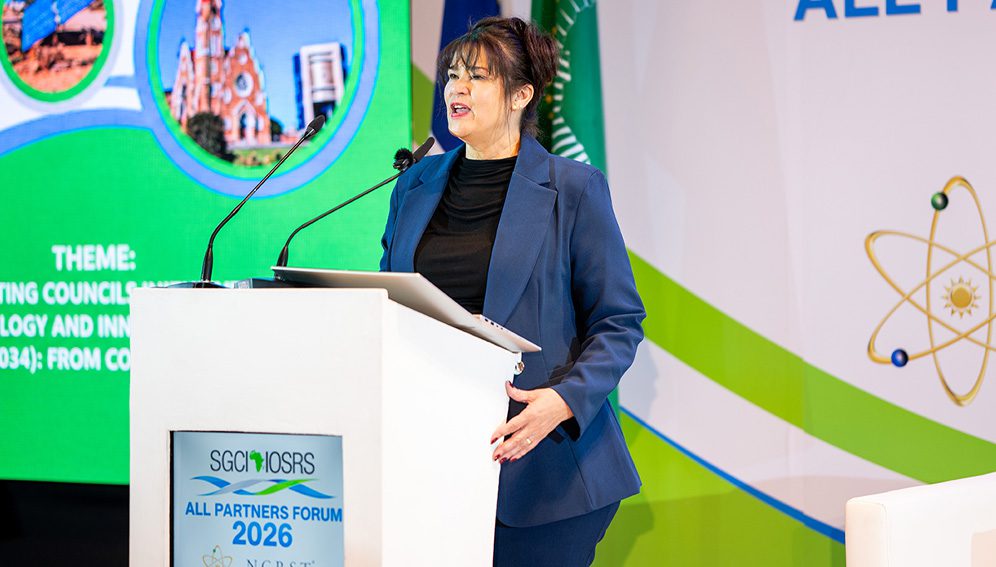
Namibia is set to take on a prominent leadership role in Africa’s science, technology, and innovation landscape as Anicia Peters, chief executive officer of the National Commission on Research, Science and Technology (NCRST), prepares to assume the Presidency of the Science Granting Councils Initiative (SGCI) Alliance in September 2026.
Peters will be inaugurated during the SGCI All Partners Meeting, which Namibia will host for the first time in Windhoek during the week of 28 September 2026.
The event will bring together science-granting councils, funders, technical partners, and policymakers from across Sub-Saharan Africa.
With this appointment, Namibia joins an influential leadership group that includes South Africa, Kenya, Tanzania, and Ghana, the current SGCI Alliance President.
Since its launch, SGCI has progressed through several phases. Phases I and 2 delivered significant gains, including digital grant management platforms, stronger peer-review systems, improved research standards, and expanded gender equality initiatives.
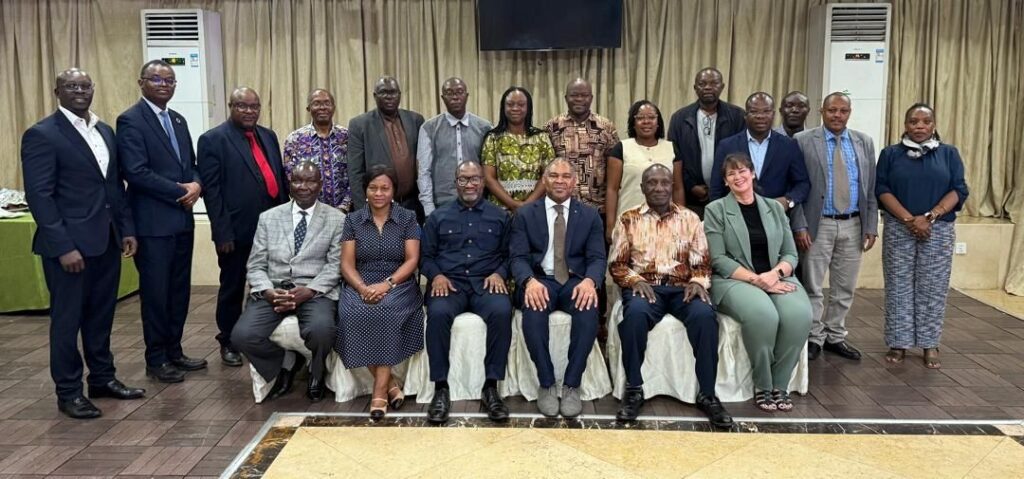
SGCI is now entering its third and most ambitious phase, SGCI-3, running from 2026 to 2030.
SGCI-3 represents a major financial commitment to Africa-led research, with partners collectively pledging USD 42 million in co-funding for 20 African science granting councils through 2030.
The funding coalition includes Canada’s International Development Research Centre (IDRC), the Government of Norway, and the United Kingdom’s Foreign, Commonwealth and Development Office (FCDO), Wellcome (UK), German Research Foundation(DFG), and South Africa’s National Research Foundation (NRF). IDRC manages the programme on behalf of all funders.
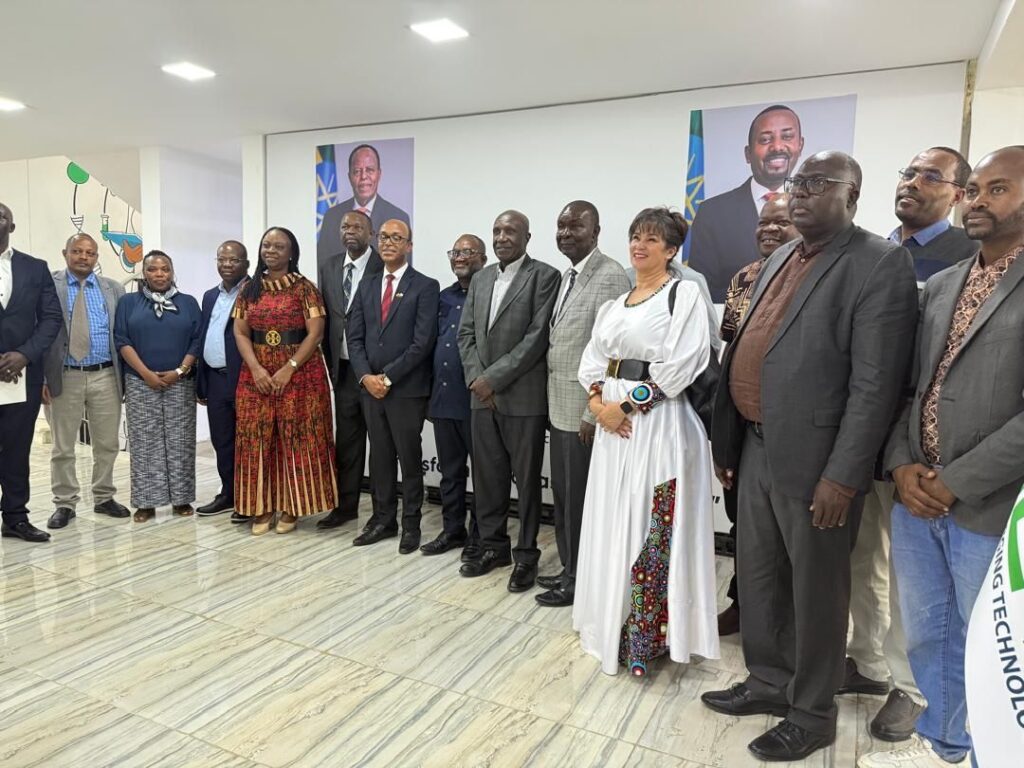
Participating councils co-fund and manage research projects aligned with their national development priorities, while shaping regional research agendas and strengthening research capacity across the continent.
A defining feature of SGCI-3 is the establishment of the SGCI Alliance, a council-led governance structure designed to deepen African ownership of the initiative and position national science granting councils at the centre of research coordination and policy engagement.
The Windhoek meeting will mark a historic milestone for Namibia.
As Peters prepares to assume the Alliance Presidency, it will provide a platform for councils, funders, and partners to advance collaboration around SGCI-3’s core priorities: climate resilience, health security, food systems, and emerging technologies.
Please check out the stories and let us know what you think. We would love to hear from you!
Let’s continue the conversation on our social media
Published on 10 March 2026
Written by Jackie Opara-Fatoye.
Related News
Voices from the SGCI Forum: Building an African-led science system
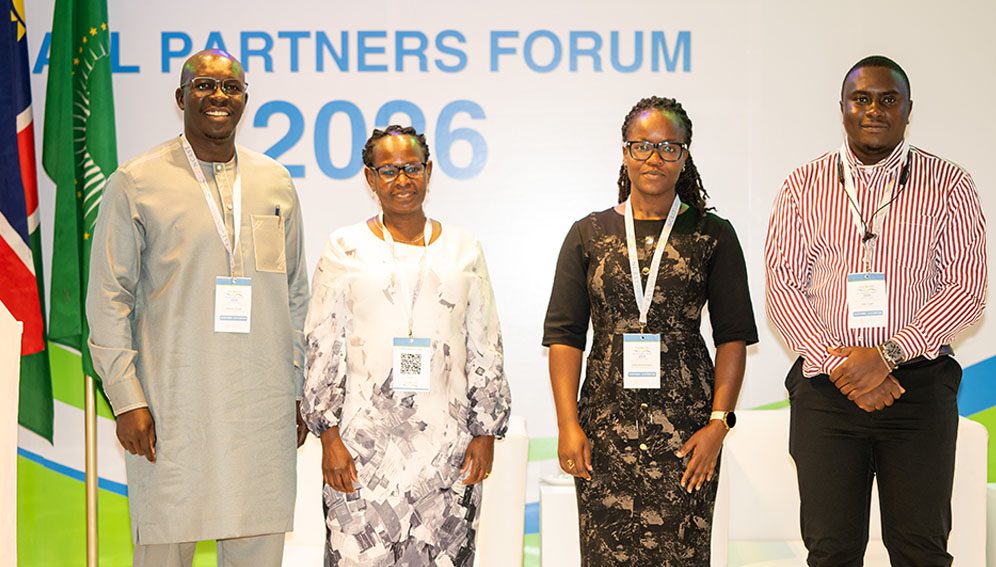
From calls for African-led research funding to stronger engagement with communities and governments, participants at the 2026 Science Granting Councils Initiative (SGCI) All Partners Forum left Windhoek with a shared sense that Africa’s science and innovation systems are entering a new phase. Held from 28…
NRF champions science, climate action and youth empowerment
Kenya’s National Research Fund (NRF) is strengthening efforts to connect scientific research, innovation and youth participation with practical responses to climate and environmental challenges. NRF chief executive officer Dickson Andala represented the fund at the launch of the Climate Policy and Advocacy Training – Cohort…
Windhoek Declaration: African science funders pledge to act as one
Science granting councils say Africa’s research systems need African ownership, steadier funding and less fragmentation. Here is what they agreed in Windhoek. African science granting councils adopted a collective declaration in Windhoek, Namibia, on 1 October 2026, as part of the Science Granting Councils Initiative…


SGCI funded projects
Rwanda’s integrated approach to sustainable agriculture and nutrition
Project Titles & Institution Areas of Research Number of Projects being funded Project Duration Grant Amount In-Kind Distribution Council Collaboration with other councils