
SGCI News
Togo is reinforcing its commitment to science, technology, and innovation through stronger regional collaboration as preparations for the third edition of the African Forum on Research and Innovation (FARI), scheduled…
Togo is reinforcing its commitment to science, technology, and innovation through stronger regional collaboration as preparations for the third edition of the African Forum on Research and Innovation (FARI), scheduled for October 2027 in Accra, Ghana, gather momentum.
Togo’s minister delegate in charge of Higher Education and Scientific Research, Gado Tchangbedji, on 21 May, met with Deweh Emily Gray, resident representative of the Economic Community of West African States (ECOWAS) in Togo, to review preparations for the country’s participation in FARI 2027.
The discussions highlighted Togo’s determination to play an active role in the success of the regional forum and to strengthen its national research and innovation ecosystem.
FARI serves as ECOWAS’s flagship platform for promoting science, technology, and innovation, bringing together researchers, innovators, policymakers, private-sector actors, and development partners from across West Africa.
During the meeting, Tchangbedji reaffirmed the Togolese government’s commitment, under the leadership of President of the Council Faure Essozimna Gnassingbé, to contribute meaningfully to the advancement of research and innovation across the region.
He stressed the importance of adopting an inclusive approach that actively involves the Chamber of Commerce and Industry of Togo (CCI-Togo) and the broader private sector in order to strengthen links between scientific research, innovation, and economic development.
A key proposal emerging from the discussions was the establishment of national research and innovation forums in each ECOWAS member state ahead of future regional FARI events.
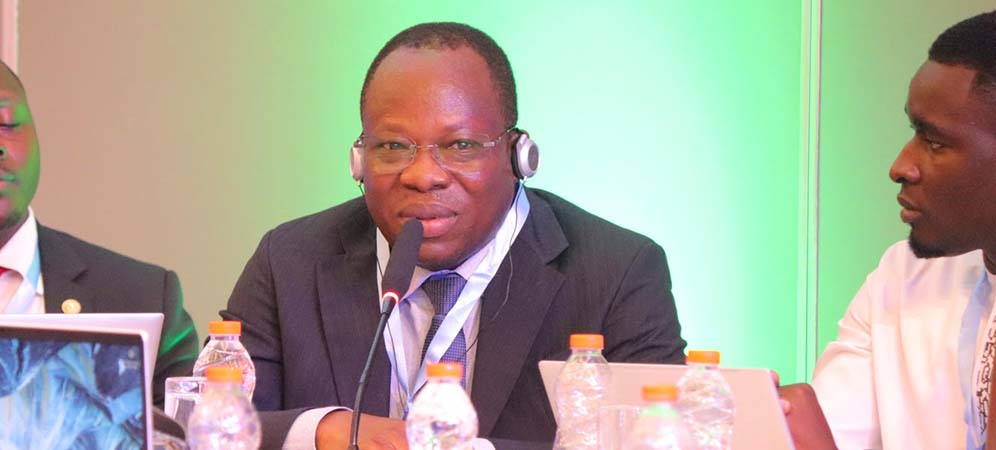
According to Tchangbedji, such platforms would help countries better organise their innovation ecosystems, showcase local achievements, and prepare researchers and innovators for regional and continental engagement.
The minister also highlighted the strategic role of research and innovation in supporting industrialisation, adding value to local resources, and developing competitive African products capable of thriving under the African Continental Free Trade Area (AfCFTA).
Togo’s growing regional engagement aligns with its increasing participation in continental research networks. In September 2025, the Science Granting Councils Initiative (SGCI) officially welcomed Togo as one of its newest member countries during the SGCI All Partners Forum in Accra, Ghana.
According to Kossi Sename Dodzi, director of Scientific and Technical Research at Togo’s Ministry of Higher Education and Research, the country first participated in SGCI activities as an observer during the 2024 annual meeting in Gaborone, Botswana. Following an application submitted in November 2024, Togo was formally admitted into the initiative after approval by SGCI’s donor executive committee in July 2025.
“Admission into SGCI means a great deal to us. It is an opportunity to be part of a pan-African programme and to benefit from the experiences of countries that have been members for longer. We can learn from their successes and challenges,” Dodzi said.
He noted that Togo aims to strengthen research programmes in priority areas, including agriculture, health, energy, information and communication technologies, the digital economy, environment, and climate change.
Togo’s engagement with SGCI comes at a time when the country is actively reviewing and strengthening its national research and innovation policies and increasing efforts to connect research with industry and entrepreneurship.
Recent initiatives have focused on transforming scientific knowledge into practical solutions, commercialisable products, and economic opportunities that contribute to national development.
Togo’s dual focus on regional collaboration and institutional strengthening through platforms such as SGCI echoes its ambition to position research and innovation as key drivers of economic transformation, competitiveness, and sustainable development.
Please check out the stories and let us know what you think. We would love to hear from you!
Let’s continue the conversation on our social media
Published on 11 June 2026
By Jackie Opara-Fatoye
Related News
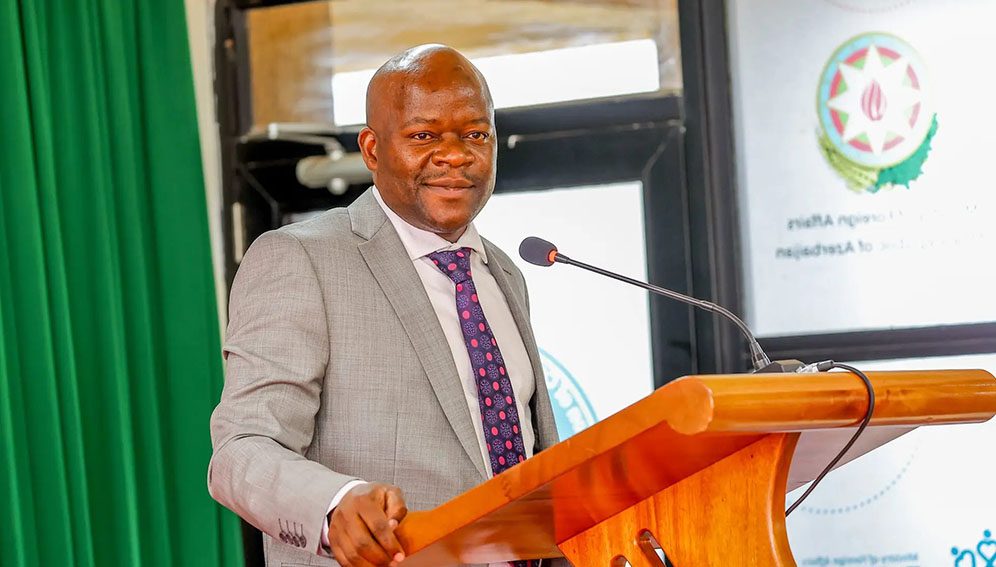
NRF champions science, climate action and youth empowerment
Kenya’s National Research Fund (NRF) is strengthening efforts to connect scientific research, innovation and youth participation with practical responses to climate and environmental challenges. NRF chief executive officer Dickson Andala represented the fund at the launch of the Climate Policy and Advocacy Training – Cohort…
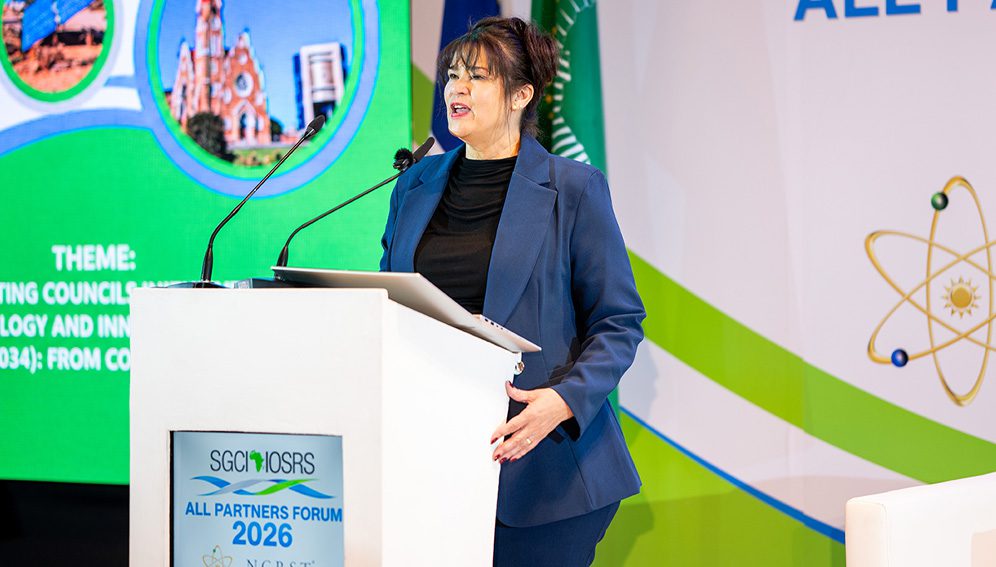
Windhoek Declaration: African science funders pledge to act as one
Science granting councils say Africa’s research systems need African ownership, steadier funding and less fragmentation. Here is what they agreed in Windhoek. African science granting councils adopted a collective declaration in Windhoek, Namibia, on 1 October 2026, as part of the Science Granting Councils Initiative…
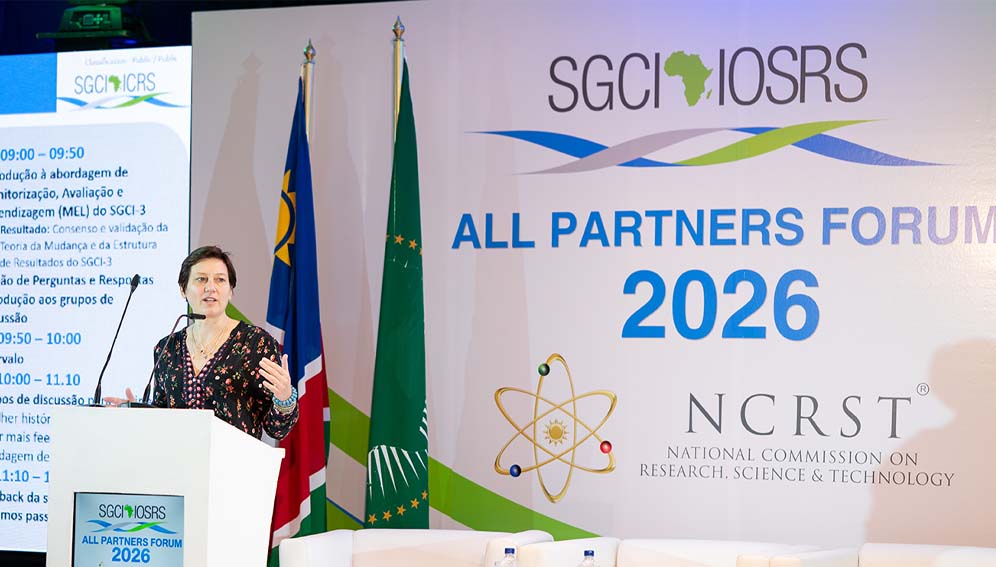
Africa’s science councils urged to turn pledges into real impact
[NAMIBIA] African countries must strengthen collaboration, invest in research and scientists, and take greater ownership of science, technology and innovation if research is to deliver lasting development impact, participants at the 2026 Science Granting Councils Initiative (SGCI) All Partners Forum have said. The call came…


SGCI funded projects
Rwanda’s integrated approach to sustainable agriculture and nutrition
Project Titles & Institution Areas of Research Number of Projects being funded Project Duration Grant Amount In-Kind Distribution Council Collaboration with other councils