SGCI News
In April 2025, the Science Granting Councils Initiative (SGCI) in Sub-Saharan Africa marked ten years of enhancing the capacity of national public research funders. Since its inception, SGCI has worked…
In April 2025, the Science Granting Councils Initiative (SGCI) in Sub-Saharan Africa marked ten years of enhancing the capacity of national public research funders.
Since its inception, SGCI has worked across 17 countries to strengthen science, technology, and innovation (STI) systems by partnering with research councils, development agencies, and regional and international organisations.
A 2014 study that led to SGCI’s formation revealed that while Science Granting Councils (SGCs) play vital roles, such as funding research, advising governments, and managing partnerships, they needed institutional capacity, particularly in research management.
SGCI placed research management at the centre of its early programming to address this.
Training and Tools Focused on Enhancing the Capacity of Research Managers
Strengthening Research Management and Administration (RMA) became a strategic priority, as councils needed robust research management systems and skilled professionals to manage research funds effectively.
The Southern African Research and Innovation Management Association (SARIMA) and its sister organisations, the Research and Innovation Management Associations (RIMAs), CARIMA, EARIMA, and WARIMA, were key to this effort, offering training, technical support, and peer learning opportunities that covered the full research grant lifecycle.
Through these collaborations, SGCI supported the development of a professional competency framework and launched accredited online courses via the University of Witwatersrand.
Practical tools like grant management manuals and competition guidelines were also introduced.
These efforts helped define RMA as a legitimate profession within funding councils, distinct from university-based roles, and led to the emergence of certified research managers.
An example of this impact is Luiza Mazazire from Namibia, who became the first person in her country to be professionally recognised through the International Professional Recognition Council.
Her career progression illustrates how individual capacity-building contributes to institutional and systemic advancement.
Today, she continues to champion research management at the Namibia University of Science and Technology.
SGCI’s Ongoing Support in Enhancing the Capacity of Research Councils
The demand for training and recognition is growing, with continued support extended to countries like Ethiopia, Ghana, and Zimbabwe.
SARIMA is now focusing on building long-term, structured pathways for individuals and institutions.
Acknowledging that staff turnover can hinder continuity, the diffusion of trained personnel across the research ecosystem is seen as a strength, not a setback.
Looking forward, embedding RMA training as a permanent institutional function is essential. Internal Train-the-Trainer models, comprehensive engagement strategies, and professional development tailored to experienced practitioners will be critical to the next phase.
SGCI’s vision for the future is a deeply rooted culture of research management that supports resilient and effective STI systems across Africa.
Read more here
Please check out the stories and let us know what you think. We would love to hear from you!
Let’s continue the conversation on our social media
Follow us on LinkedIn
Published on 15 May 2025
Related News
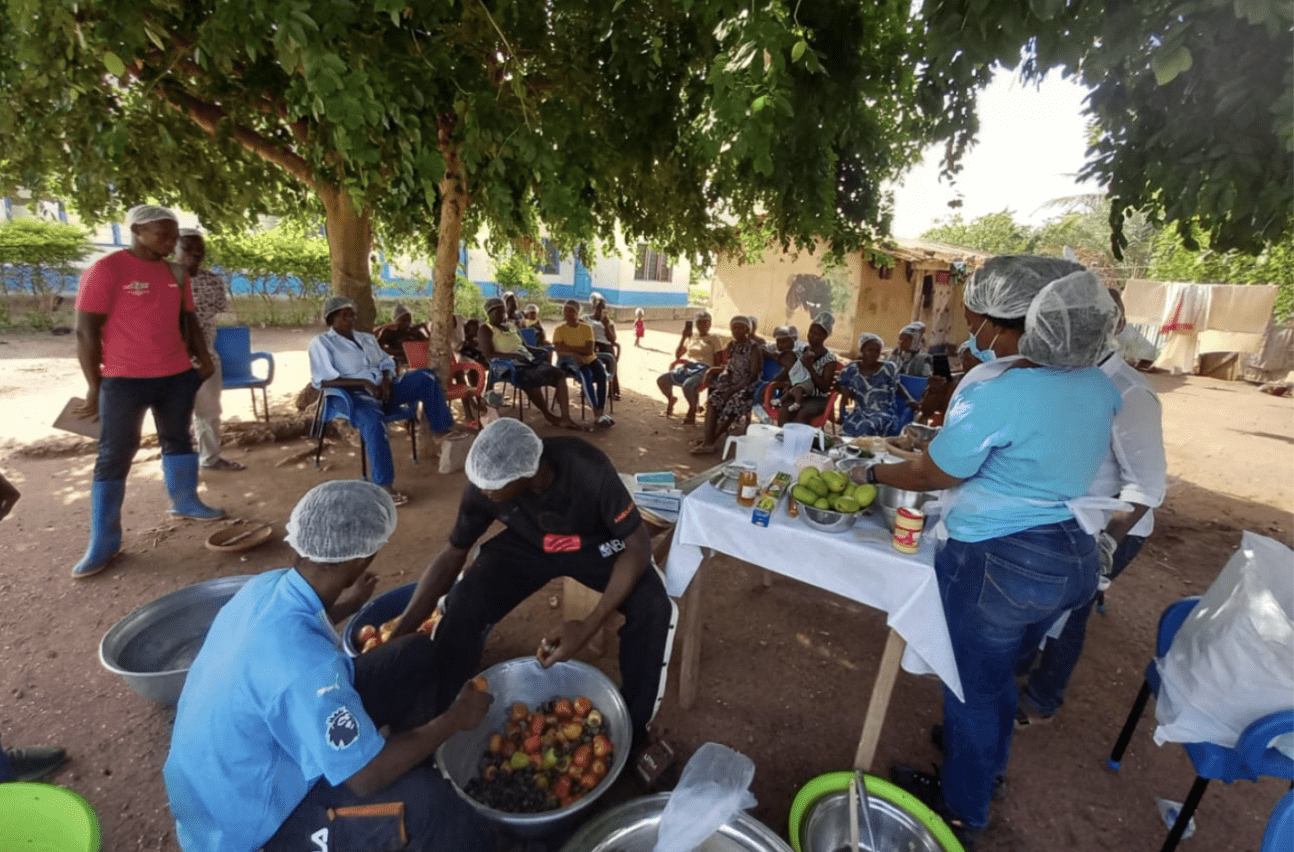
How storytelling is amplifying SGCI-funded innovations
For many researchers, publishing scientific findings in academic journals has long been the primary way to share knowledge. But increasingly, there is recognition that research must also be communicated in ways that reach broader audiences, policymakers, industry partners, communities, and fellow innovators who can translate…

Namibia hosts SGCI meeting as Anicia Peters leads alliance
Namibia is set to take on a prominent leadership role in Africa’s science, technology, and innovation landscape as Anicia Peters, chief executive officer of the National Commission on Research, Science and Technology (NCRST), prepares to assume the Presidency of the Science Granting Councils Initiative (SGCI)…
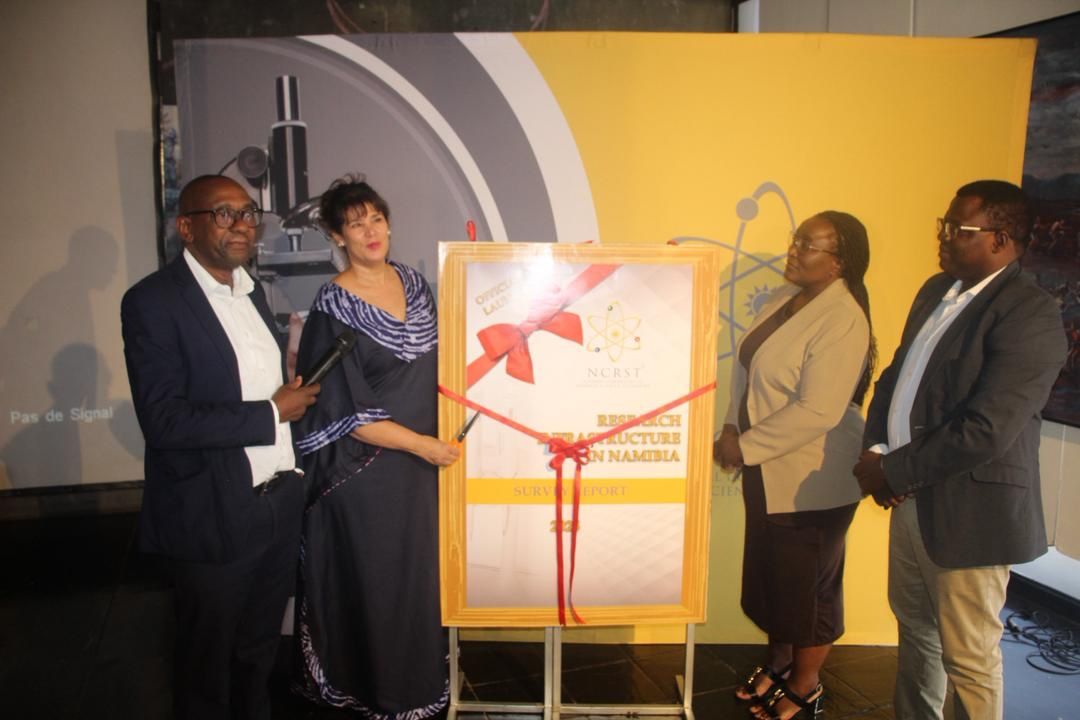
Namibia launches national research infrastructure survey report
The Namibia National Commission on Research, Science and Technology has officially launched the country’s Research Infrastructure Survey Report, outlining existing research facilities, key gaps, and priority areas for development. The report was presented on 3 March at the Franco-Namibian Cultural Centre in Windhoek before an…

SGCI funded projects
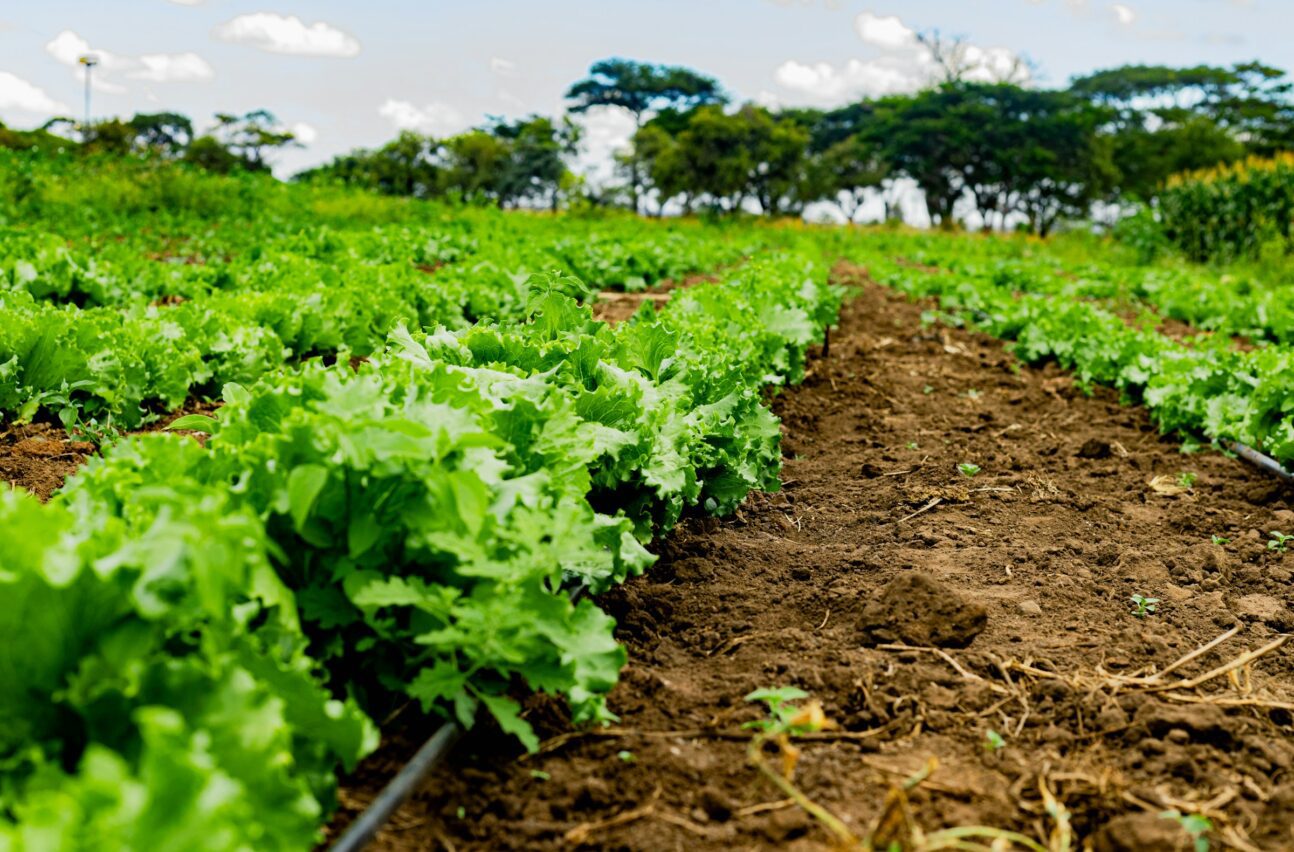
Rwanda’s integrated approach to sustainable agriculture and nutrition
Project Titles & Institution Areas of Research Number of Projects being funded Project Duration Grant Amount In-Kind Distribution Council Collaboration with other councils