
SGCI News
[JOHANNESBURG] Stronger policies and concrete actions are needed to ensure gender parity in science, technology and innovation, according to scientists attending a meeting on gender issues. The Scientific Research Granting…
The legacy of old policies persists when it comes to gender issues:
New approach helps councils review their policies to promote gender parity in science.
But it will take some time for this to bear fruit.
[JOHANNESBURG] Stronger policies and concrete actions are needed to ensure gender parity in science, technology and innovation, according to scientists attending a meeting on gender issues.
The Scientific Research Granting Agencies Initiative (SRGI) aims to contribute to the scientific excellence, rigor and social relevance of research and development. In February, it organized a training summit on gender and women’s inclusion in South Africa, during which the participating scientific councils identified ways and means of redefining priorities on these subjects, according to the context, in order to make a difference.
” When we think about how gender and women’s inclusion issues are dealt with within science funding councils, we have to recognize that, when we first started working in science and research, [et] that we created the funding councils, they were set up mainly by men ,” says Ingrid Lynch, lead investigator for gender and women’s inclusion for the IOSRS project within the Social Sciences and Humanities Research Council, South Africa.
” In addition, some of this heritage remains to this day. “
According to Ingrid Lynch, IOSRS created the Gender and Women’s Inclusion Project with the aim of ensuring that women can play a role in science in Africa.
” We’re working with science funding councils from 16 African countries who are part of this initiative, and it’s a participatory project ,” she explains.
The countries involved include Burkina Faso, Côte d’Ivoire, Kenya, Malawi, Uganda, Zambia and Zimbabwe.
Cephas Mensah, Deputy Director at the Ministry of Environment,Science, Technology and Innovation in Ghana, believes that the low representation of women in senior scientific positions needs to be addressed.
What’s needed, he says, is a “conscious political strategy ” to encourage the participation of girls and women in the world of science.
The second phase of the IOSRS Gender and Women’s Inclusion project, which began in 2020, has resulted in all 16 granting councils tackling the issue of gender and women’s inclusion in their policies, according to the project’s lead investigator, Heidi Van Rooyen.
” We’ve been working with the councils for the past two and a half years under difficult conditions, because COVID-19 has given us a hard time, and we’ve had to adapt ,” explains Heidi van Rooyen, who is also group leader at the Social Sciences and Humanities Research Council’s Impact Center.
” This learning summit now allows us to pause, step back and congratulate ourselves and the board members on all we’ve been able to achieve. “
Madeleine Kennedy-Macfoy, Executive Director of Gender at Work, a partner organization of IOSRS in the implementation of the gender project, insisted on the importance of approaching issues from different angles so that people can ” think differently and imagine a different situation, imagine a change “.
Oatumetse Olivia Seabe, Scientific Manager at Botswana’s Department of Research, Science and Technology, believes that gender-related projects face a very specific obstacle: a lack of awareness.
” Individually, we’ve learned a lot and we’ve changed, and there’s also been an awareness within the councils,” she adds.
Hildegalda Mushi, Research Officer at the Commission for Science and Technology in Tanzania, has his reservations. According to her, although the fight for gender equality is not new, the project’s approach is a little different, and it will take time to get everyone on the same wavelength before implementation.
Deborah Kasule, Head of Research at the National Council for Science and Technology in Uganda, explains that the emphasis on training methodology, which involves reaching people at ” heart “, appealing to their feelings, gives an idea of what ultimately influences the adoption and integration of strategies.
The work carried out as part of the project is in-depth and time-consuming,” adds Heidi Van Rooyen.
” If, at the end of the day, councils feel that this is crucial work, and that they want to go further, in time, by integrating gender issues and the inclusion of women, we won’t have wasted our time ,” she added.
This work was funded by the International Development Research Centre. in Ottawa, Canada. The opinions expressed are not necessarily those of the Centre or its Board of Governors.
Related News
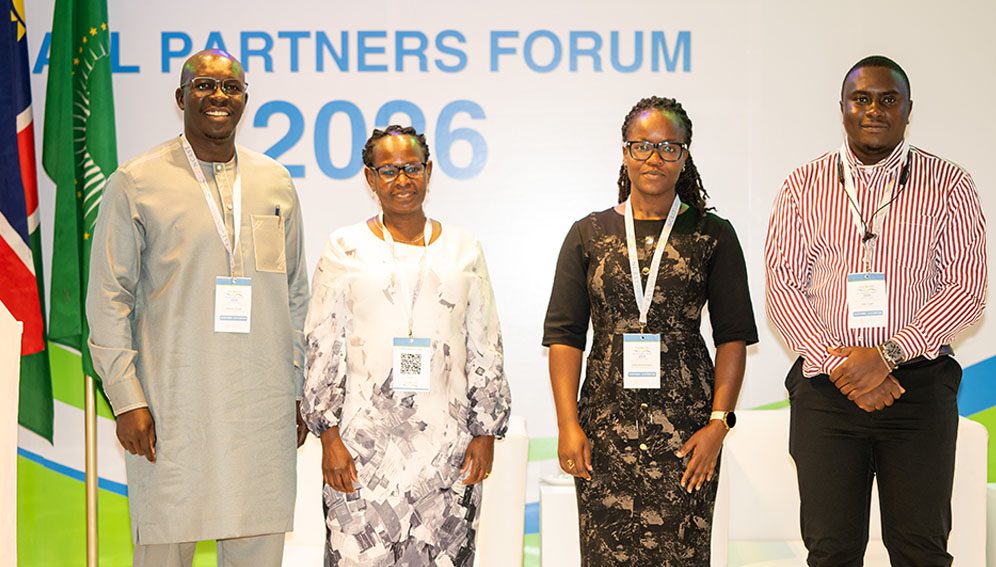
Voices from the SGCI Forum: Building an African-led science system
From calls for African-led research funding to stronger engagement with communities and governments, participants at the 2026 Science Granting Councils Initiative (SGCI) All Partners Forum left Windhoek with a shared sense that Africa’s science and innovation systems are entering a new phase. Held from 28…
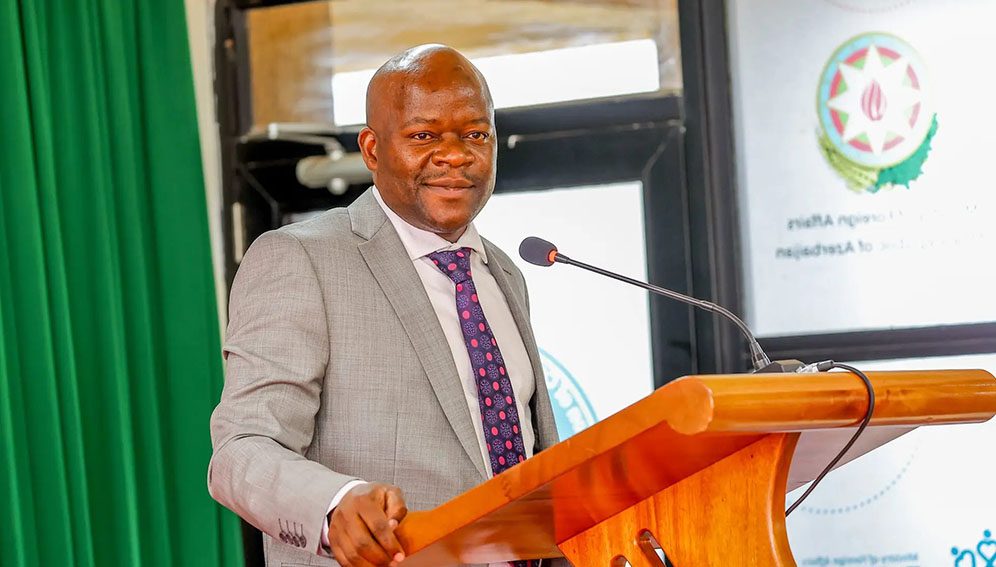
NRF champions science, climate action and youth empowerment
Kenya’s National Research Fund (NRF) is strengthening efforts to connect scientific research, innovation and youth participation with practical responses to climate and environmental challenges. NRF chief executive officer Dickson Andala represented the fund at the launch of the Climate Policy and Advocacy Training – Cohort…
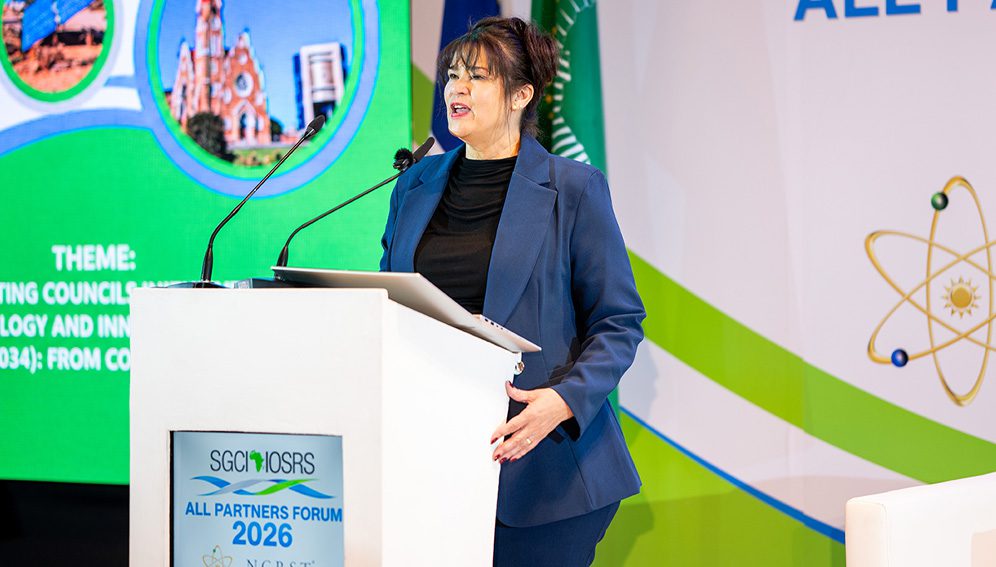
Windhoek Declaration: African science funders pledge to act as one
Science granting councils say Africa’s research systems need African ownership, steadier funding and less fragmentation. Here is what they agreed in Windhoek. African science granting councils adopted a collective declaration in Windhoek, Namibia, on 1 October 2026, as part of the Science Granting Councils Initiative…


SGCI funded projects

Rwanda’s integrated approach to sustainable agriculture and nutrition
Project Titles & Institution Areas of Research Number of Projects being funded Project Duration Grant Amount In-Kind Distribution Council Collaboration with other councils