
SGCI News
A new research fund in Botswana will enable it to collaborate with other countries on research projects. Fast playback Botswana’s new research fund will provide financial support for scientific advances…
A new research fund in Botswana will enable it to collaborate with other countries on research projects.
| Fast playback |
| Botswana’s new research fund will provide financial support for scientific advances |
| Scientific Research Granting Agencies Initiative plays a key role |
| Increased funding to benefit health, education and safety |
By Josfyn Uba
The International Organization for Scientific Research (IOSRS) is working with Botswana to strengthen scientific research systems by providing financial support for the creation of the Botswana Research Fund (BNRF).
BNRF’s mission will be to develop Botswana’s research strategy, which will include the establishment of a partnership between the government and the private sector, as well as collaborations between sub-Saharan African countries.
Lesego Thamae, Permanent Deputy Secretary of Botswana’s Ministry of Communications, Knowledge and New Technologies, says that BNRF should also significantly increase research funding.
” The Botswana Research Fund is still in its implementation phase ,” she said. She added that the fund should be operational by the end of the next financial year, in April 2025.
“The positive effects of increased funding for science, new technologies and innovation will be felt quickly, but also over the long term.”
Bolarinwa Kemisola, President of the Women in ICT Foundation, Nigeria
” We really expect funding to increase exponentially once BNRF is up and running and fully operational,” she added.
In addition to providing financial assistance, IOSRS, through its strategic support, is involved in training government officials in the areas of research management, ethics and intellectual property. For example, IOSRS facilitated the training of Botswana nationals employed by the South AfricanResearch and Innovation Management Association, she noted.
” The Botswana government has learned a lot in the areas of research management, ethics, integrity, intellectual property management, program evaluation, monitoring and evaluation, database management and grants management,” she added.
Lesego Thamae believes that Botswana, now a member of IOSRS, now has the skills to manage international collaborations and projects.
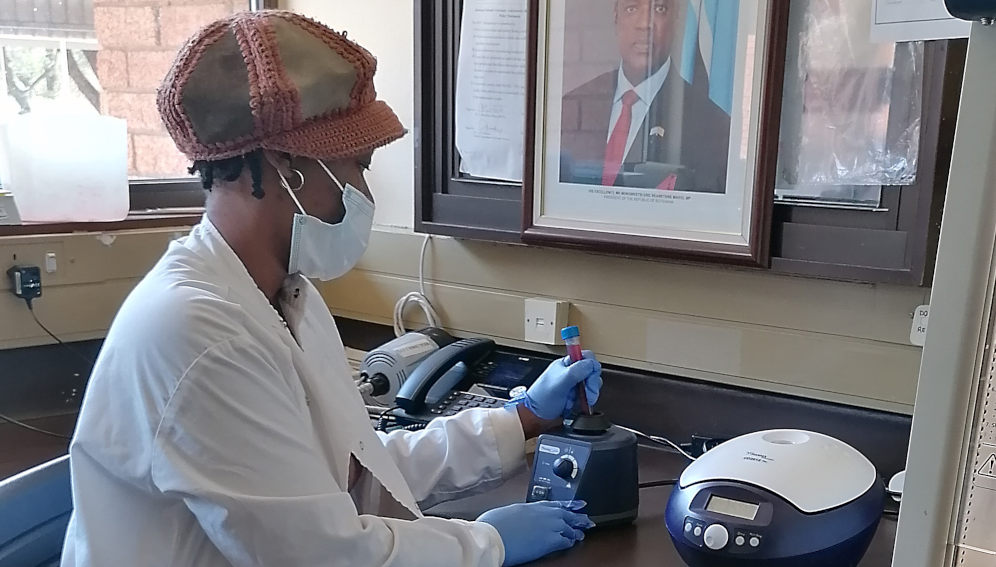
” Previously, Botswana had to work with other scientific research granting councils on bilateral collaborative projects, and the Ministry then depended on other agencies, which administered the projects for it,” she explained.
” This was due to the lack of structures and instruments necessary for it to function properly as a granting council. “
Lesego Thamae added that IOSRS has enabled Botswana to collaborate successfully with 12 other countries on research projects, and has provided much-needed expertise that BNRF will benefit from once it is up and running.
IOSRS empowers scientific research granting councils in sub-Saharan Africa to provide financial support for research and development. It stimulates cooperation between councils and funds, and provides financial support for scientific research and innovation.
Bolarinwa Kemisola, President of the Women in ICT Foundation ( ) in Nigeria, believes that the creation of the Botswana Research Fund is an excellent initiative that will stimulate scientific advances and collaboration in sub-Saharan Africa.
She adds that the fund will have a positive impact on health, transport, safety and education.
” The positive effects of increased funding for science, new technologies and innovation will also be felt over the long term.”
” This will give Botswana a boost and the opportunity to gradually align itself with the most advanced countries. “According to Bolarinwa Kemisola, Botswana’s fund will not only enhance the country’s prestige in the international community, it will also promote collaboration, skills exchange and innovation, ensuring that it remains at the forefront of progress.
Related News
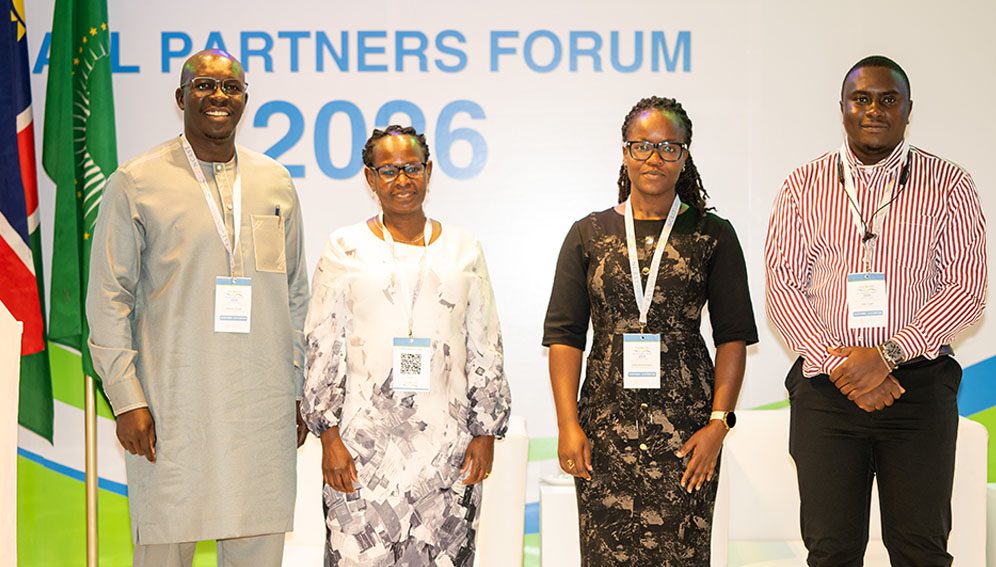
Voices from the SGCI Forum: Building an African-led science system
From calls for African-led research funding to stronger engagement with communities and governments, participants at the 2026 Science Granting Councils Initiative (SGCI) All Partners Forum left Windhoek with a shared sense that Africa’s science and innovation systems are entering a new phase. Held from 28…
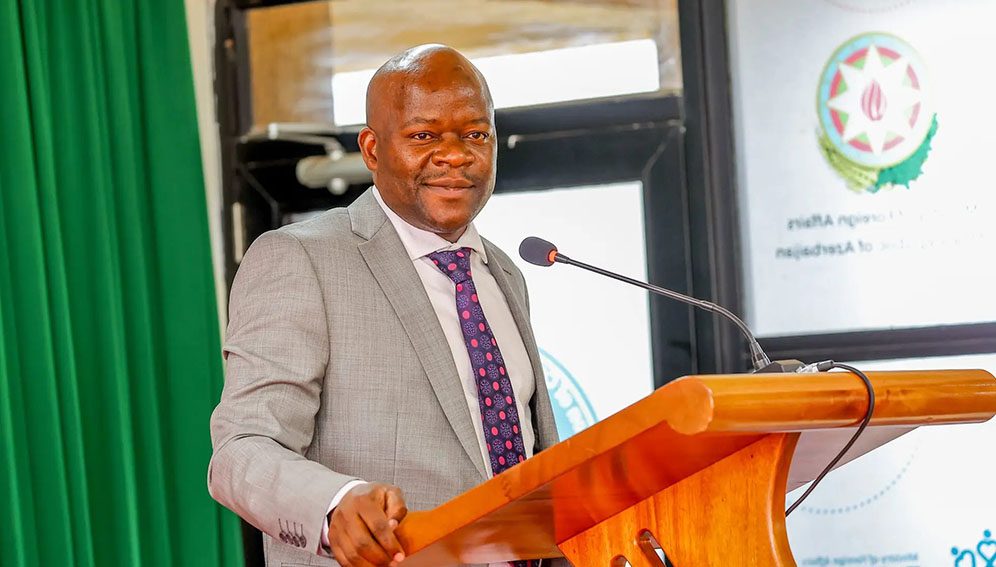
NRF champions science, climate action and youth empowerment
Kenya’s National Research Fund (NRF) is strengthening efforts to connect scientific research, innovation and youth participation with practical responses to climate and environmental challenges. NRF chief executive officer Dickson Andala represented the fund at the launch of the Climate Policy and Advocacy Training – Cohort…
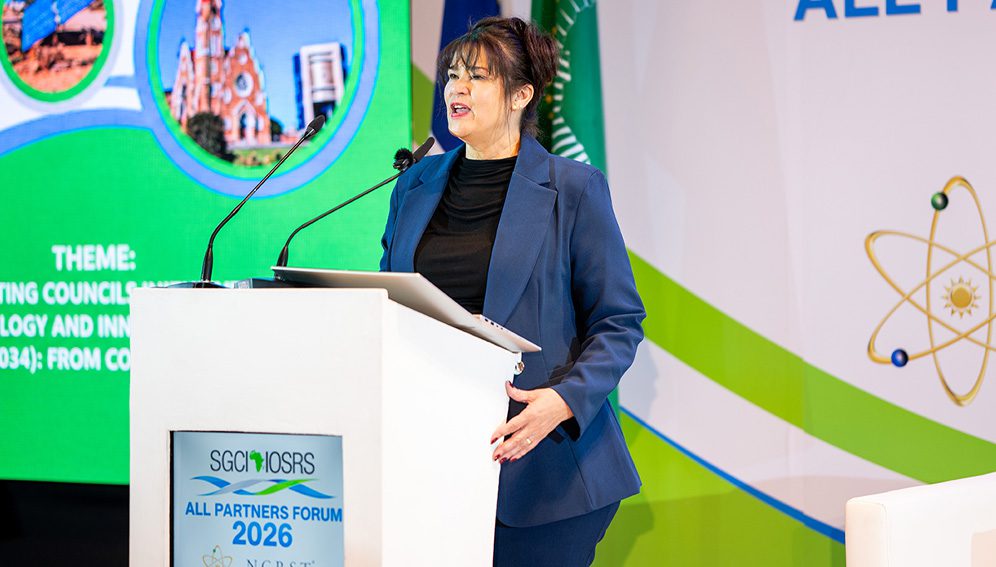
Windhoek Declaration: African science funders pledge to act as one
Science granting councils say Africa’s research systems need African ownership, steadier funding and less fragmentation. Here is what they agreed in Windhoek. African science granting councils adopted a collective declaration in Windhoek, Namibia, on 1 October 2026, as part of the Science Granting Councils Initiative…


SGCI funded projects

Rwanda’s integrated approach to sustainable agriculture and nutrition
Project Titles & Institution Areas of Research Number of Projects being funded Project Duration Grant Amount In-Kind Distribution Council Collaboration with other councils