
SGCI News
From commitment to action – Namibia and the SGCI All Partners Forum 2026 Namibia is an important player in African research, and from 28 September to 2 October 2026, the…
From commitment to action – Namibia and the SGCI All Partners Forum 2026
Namibia is an important player in African research, and from 28 September to 2 October 2026, the country will host the Science Granting Councils Initiative’s (SGCI) All Partners Forum in Windhoek. With its experience of developing a national research and innovation system, and evidence of progress, Namibia is well placed to convene this exciting event. The country’s achievements show the value of connecting reliable evidence and national priorities with sustained funding and scientific cooperation.
Namibia has taken part in SGCI since 2015 through the National Commission on Research, Science and Technology (NCRST). The All Partners Forum offers an opportunity to turn shared research priorities into practical partnerships. The event will cover subjects central to African science, technology, and innovation (STI), including collaborative research, gender and inclusion, indigenous knowledge, investment, peer learning, and policy influence.
Under the theme “From Commitment to Action”, the Forum offers a space to examine how stronger science granting councils can translate effective research programmes into wider public benefit. Science Granting Councils and partners from 20 African countries will take part in the event. As host of the 2026 Forum, NCRST will bring its years of experience, helping to build the partnerships needed for the future of research collaboration.
Namibia – a key member of the SGCI journey
NCRST brings a wealth of experience to the event. This public enterprise coordinates, develops, and promotes national research, science, and technology. Additionally, NCRST manages the national research fund, sets country-wide STI goals, and advises government on policy. It also monitors and supervises research and capacity development and collaborates with international organizations.
Furthermore, the organization prepares a National Programme on Research, Science, Technology and Innovation (NPRSTI). Now in its second phase covering 2025-2030, NPRSTI-II aligns research investments with three strategic pillars: health, social and economic advancement, and technological innovation and industrialization – areas that are central to Africa’s wider innovation agenda.
Combined, all of these activities strengthen Namibia’s STI landscape. Together with additional funding, the activities demonstrate the country’s commitment to a clear, evidence-based research system. A 2024 NCRST report revealed how spending on research and development rose from 0.34% of GDP in 2013/14 to 0.73% in 2021/22, totalling approximately N$1.33 billion. The growth represents progress in Namibia’s investment in research and a contribution to national development and continental collaboration.
From national priorities to continental collaboration
Looking towards partnerships, several core themes will continue to bring African countries closer together in their STI efforts. Climate change, energy, food security, public health, and technology raise research challenges that cross national borders. Addressing them requires a cooperative approach that brings together capable national institutions and sustained collaboration mechanisms.
Namibia’s research priorities cover areas that are relevant to many other African countries. These shared priorities create opportunities for collaboration and learning. For example, NPRSTI-II identifies many themes where research investment can connect national needs with cross-border challenges:
- artificial intelligence
- commercialisation
- digitalization
- environmental sustainability
- food
- health
- manufacturing
- mining and minerals
- water and energy security
One documented example is a nanosatellite early-warning research project for disaster management at the Namibia University of Science and Technology. It illustrates the potential contribution of space technologies to nationally relevant research.
Energy research offers another area for cooperation. NPRSTI-II identifies energy security as a thematic area that also ties into STISA-2034. Together, these frameworks provide a basis for discussing research, skills, and technology needs around energy transitions.
Moving from commitment to joint investment
The SGCI Multilateral Research Call is an example of this collaborative approach. The call supports STISA-2034 and encourages cooperation between institutions from at least three African countries. Namibia is eligible under the agriculture, artificial intelligence, and energy themes, which broadly correspond to themes under NPRSTI-II. This year’s All Partners Forum can strengthen the relationships needed to develop and sustain such collaborative research.
Furthermore, in February 2026, SGCI partners announced approximately CAD 57 million (US$42 million) for the Initiative’s third phase. This investment will enable SGCI to support African-led research and research management as well as help shape policies. This phase focuses on further strengthening institutional capacity. At the same time, it increases shared responsibility for building partnerships, coordinating investment, and setting research priorities. By taking part in the Alliance’s leadership, Namibia can connect its hosting role with this wider purpose.
A meeting place for science, policy and partnership
The All Partners Forum in Windhoek is set to provide a valuable opportunity for national institutions, continental organizations, and international research partners to connect and share experience and ideas. Across five days, participants will examine how institutional cooperation, policy, and research financing can support shared development priorities.
The programme will dedicate a day to each of five core STI themes: discovery, impact, partnership, policy, and technical issues. The official high-level opening is scheduled for 30 September, with the final day involving field visits. This structure combines strategic discussion with technical exchange and opportunities to learn about the host country.
Looking closer to home, hosting the 2026 All Partners Forum carries particular significance for Namibia. The CEO of NCRST, Prof Anicia Peters, is Chair-elect of the SGCI Alliance. Her role as incoming Chairperson allows Namibia to contribute further to the Alliance’s vision. As a member of the Alliance’s Councils Coordination Group, alongside councils from Ghana, Kenya, South Africa, and Tanzania, NCRST looks forward to hosting and playing a key role in the Alliance’s coordination and collective priorities. The Forum will bring together partners, connect researchers across the continent, and build on the well-established network of science councils. For Namibia, the ultimate mission is to ensure these conversations leave a tangible legacy, creating an environment where collaboration in African research can thrive.
Related News
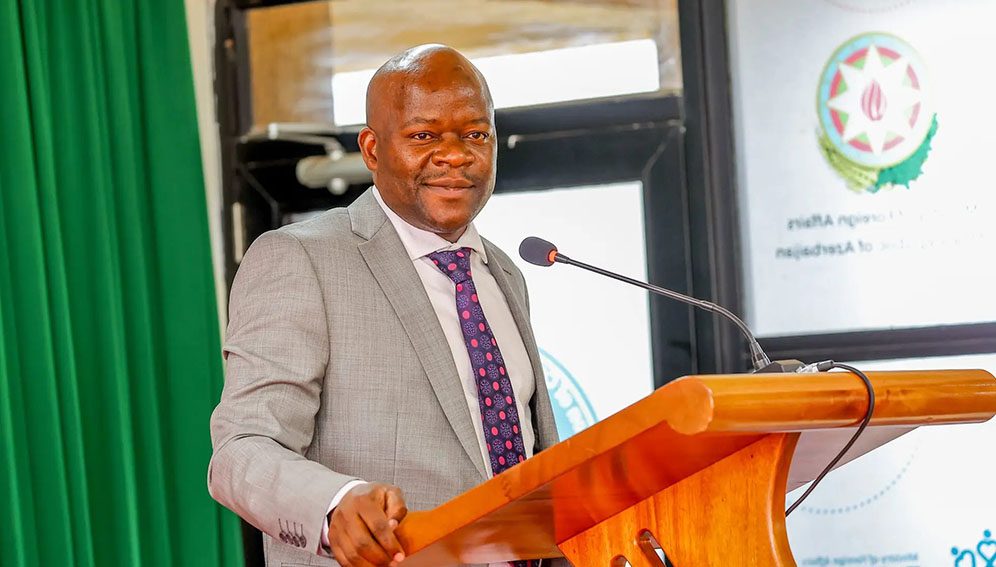
NRF champions science, climate action and youth empowerment
Kenya’s National Research Fund (NRF) is strengthening efforts to connect scientific research, innovation and youth participation with practical responses to climate and environmental challenges. NRF chief executive officer Dickson Andala represented the fund at the launch of the Climate Policy and Advocacy Training – Cohort…
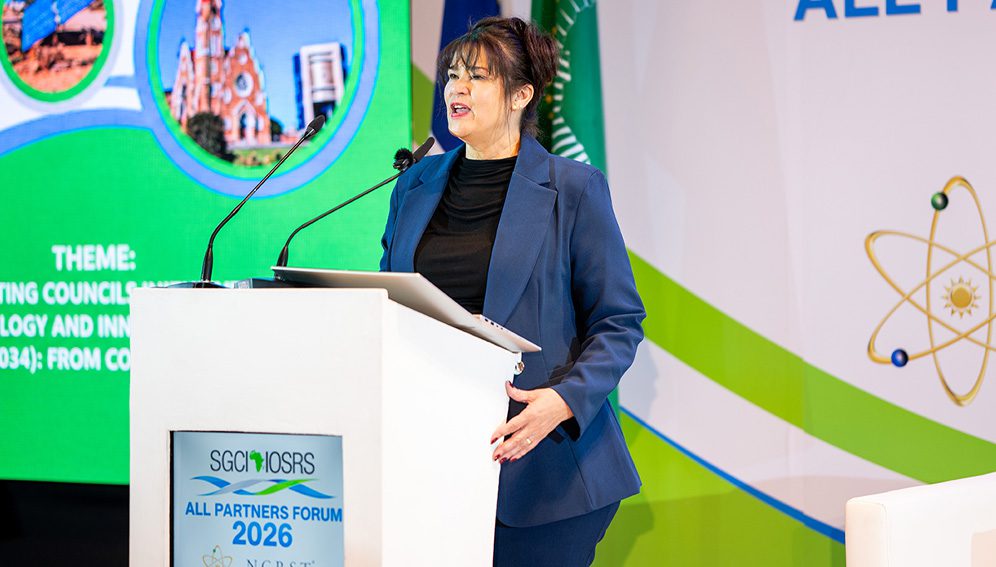
Windhoek Declaration: African science funders pledge to act as one
Science granting councils say Africa’s research systems need African ownership, steadier funding and less fragmentation. Here is what they agreed in Windhoek. African science granting councils adopted a collective declaration in Windhoek, Namibia, on 1 October 2026, as part of the Science Granting Councils Initiative…
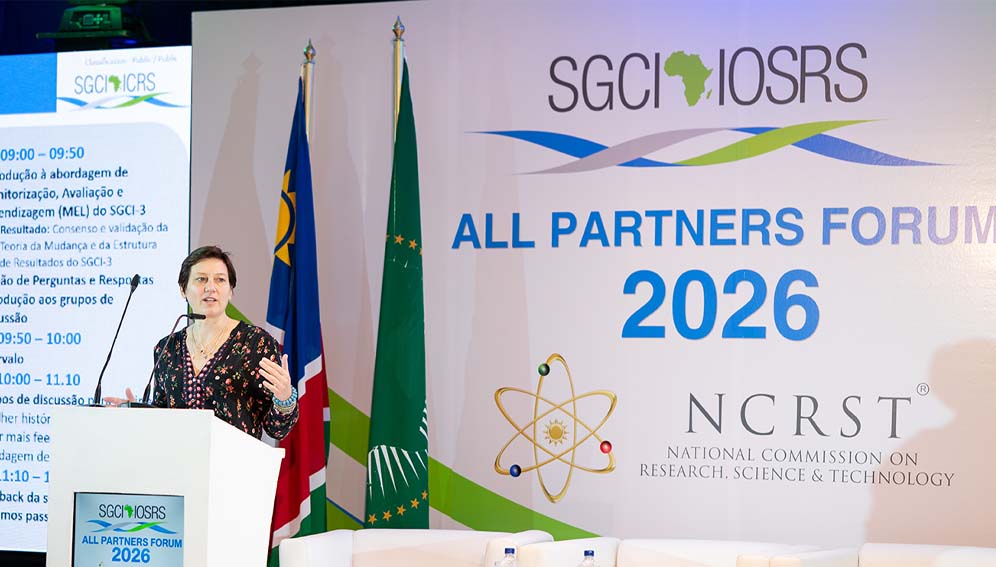
Africa’s science councils urged to turn pledges into real impact
[NAMIBIA] African countries must strengthen collaboration, invest in research and scientists, and take greater ownership of science, technology and innovation if research is to deliver lasting development impact, participants at the 2026 Science Granting Councils Initiative (SGCI) All Partners Forum have said. The call came…


SGCI funded projects
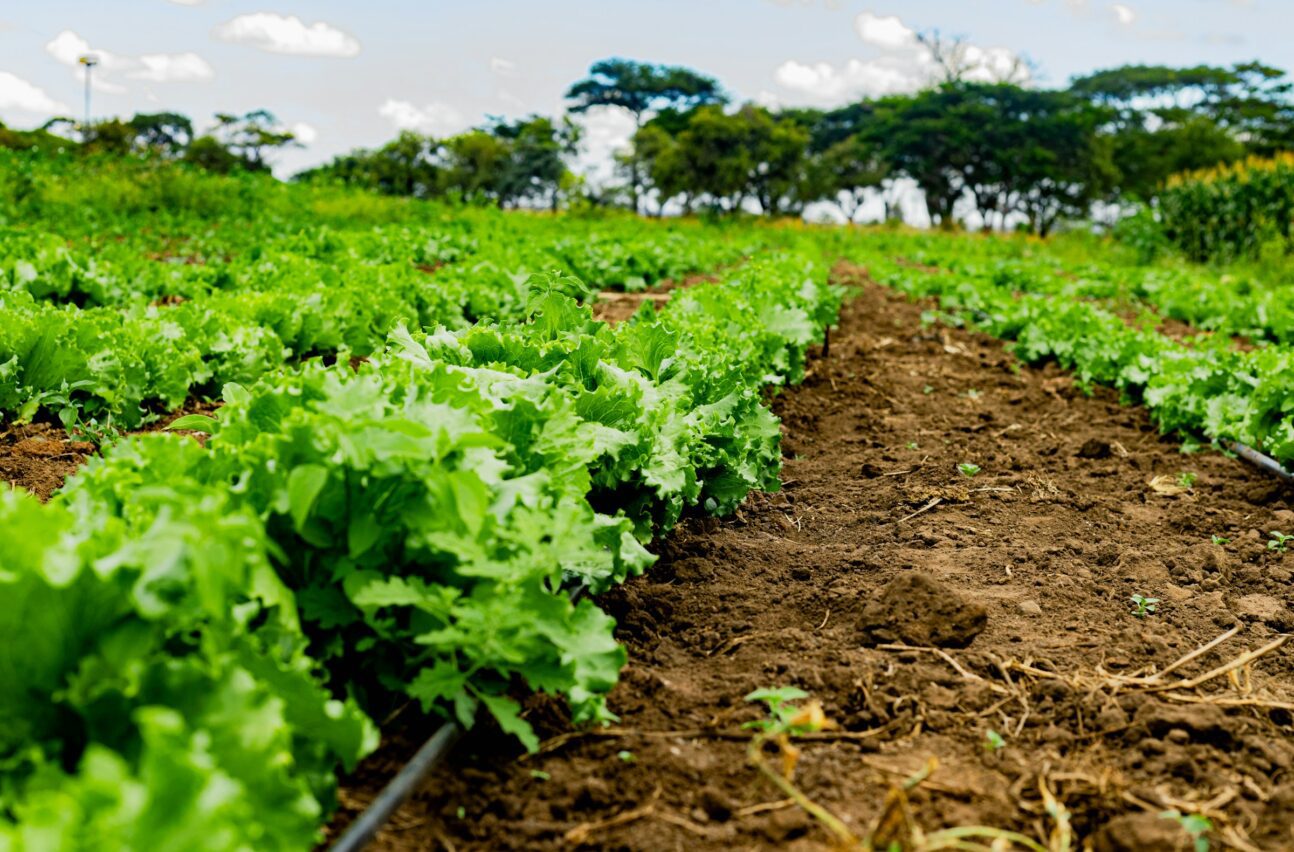
Rwanda’s integrated approach to sustainable agriculture and nutrition
Project Titles & Institution Areas of Research Number of Projects being funded Project Duration Grant Amount In-Kind Distribution Council Collaboration with other councils