SGCI News
Many promising technology-driven ideas struggle to progress beyond the concept stage due to limited access to early-stage support and mentorship. These challenges highlight the need for targeted interventions that could…
Many promising technology-driven ideas struggle to progress beyond the concept stage due to limited access to early-stage support and mentorship.
These challenges highlight the need for targeted interventions that could transform innovative ideas into viable and scalable solutions.
It is against this backdrop that the National Commission on Research, Science and Technology (NCRST), in partnership with the Namibia Investment Promotion and Development Board (NIPDB), GEN Namibia, Basecamp Business Incubator, Co-Creation Hub Namibia (CcHUB), RLabs Namibia, and the NUST Innovation Hub (NUST-i), is implementing the BOOSTUP 2025/26 Programme.
BOOSTUP is an early-stage start-up support initiative aimed at strengthening Namibia’s innovation ecosystem by empowering innovators who leverage technology to address community and societal challenges. The programme was announced in 2025 through a national call inviting Namibian innovators to apply.

Following a competitive selection process, 20 start-ups were selected from 30 applications received. The chosen cohort represents different regions of Namibia, a true reflection of the nation’s innovation potential.
The programme officially kicked off with the online Hunt Programme, held from 19 to 23 January 2026 and facilitated by Basecamp Business Incubator.
This intensive five-day experience supported participants to validate their ideas by testing desirability, feasibility, and viability. Through structured sessions, innovators refined their value propositions, assessed market needs, and laid a strong foundation for incubation and future investment readiness.
Through the BOOSTUP Programme, NCRST and its partners are responding directly to the need for early-stage innovation support, while fostering technology-driven solutions that contribute to Namibia’s socio-economic development.
Please check out the stories and let us know what you think. We would love to hear from you!
Let’s continue the conversation on our social media
Related News

Ghana strengthens safeguards for emerging malaria gene-drive research
As Ghana explores gene-drive technology as a potential tool for malaria control, stronger regulatory oversight and collaboration between research institutions and government will be essential to ensuring that scientific innovation does not compromise public health or environmental safety. Ghana is considering the scientific and regulatory…
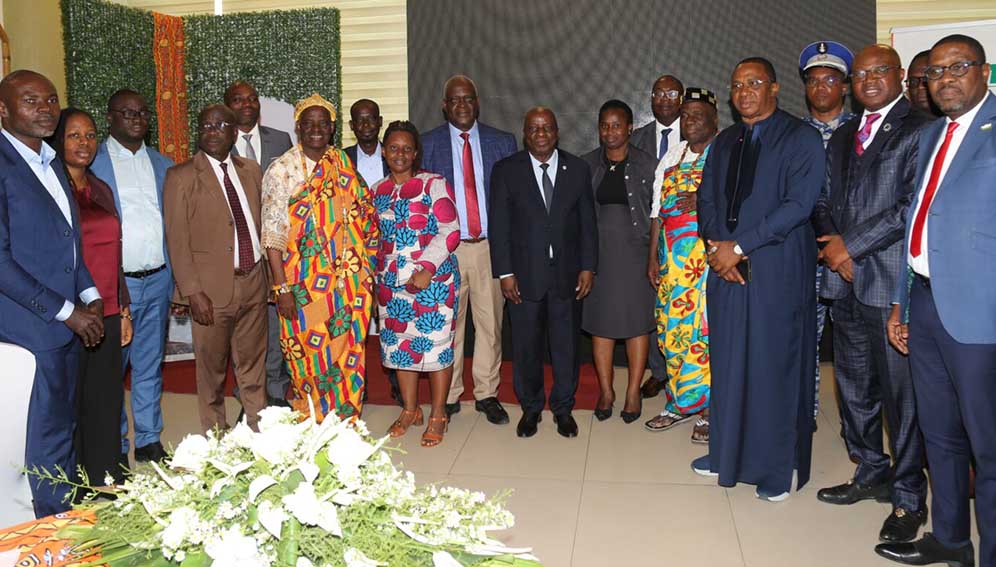
Ivorian researchers develop solutions to illegal gold mining damage
Locally developed technologies for detecting heavy metals in water and restoring contaminated farmland could help Côte d’Ivoire address the environmental and public health consequences of illegal gold mining. Illegal gold mining has affected 29 of Côte d’Ivoire’s 31 regions, threatening water resources, agricultural land and…
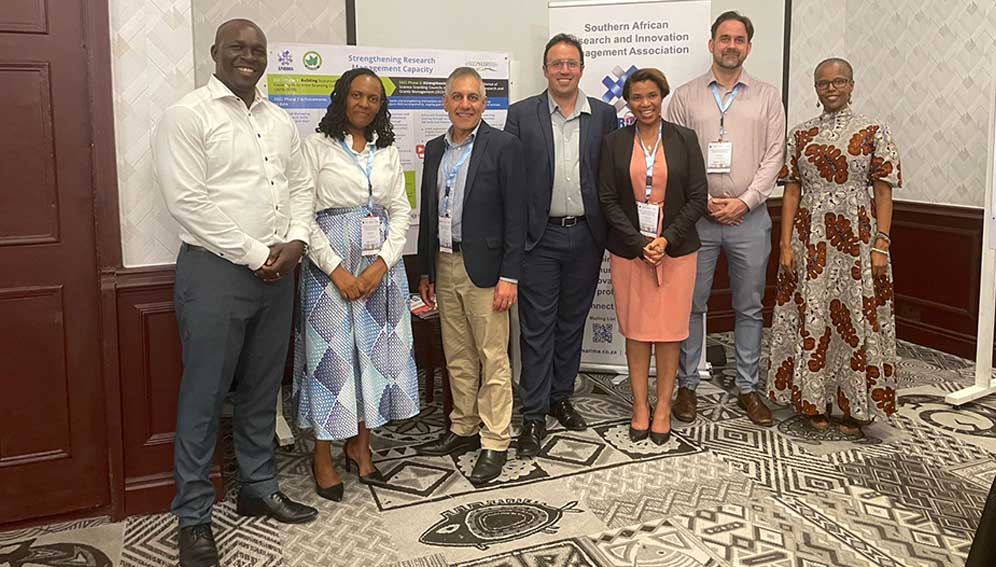
How research management is changing Africa’s science funders
A new grant appeals procedure in Zimbabwe, improved digital grant management in Namibia, and stronger gender inclusion leadership in Zambia are among the institutional changes emerging from efforts to strengthen research management across Sub-Saharan Africa. Theme one of the Science Granting Councils Initiative Phase II…


SGCI funded projects
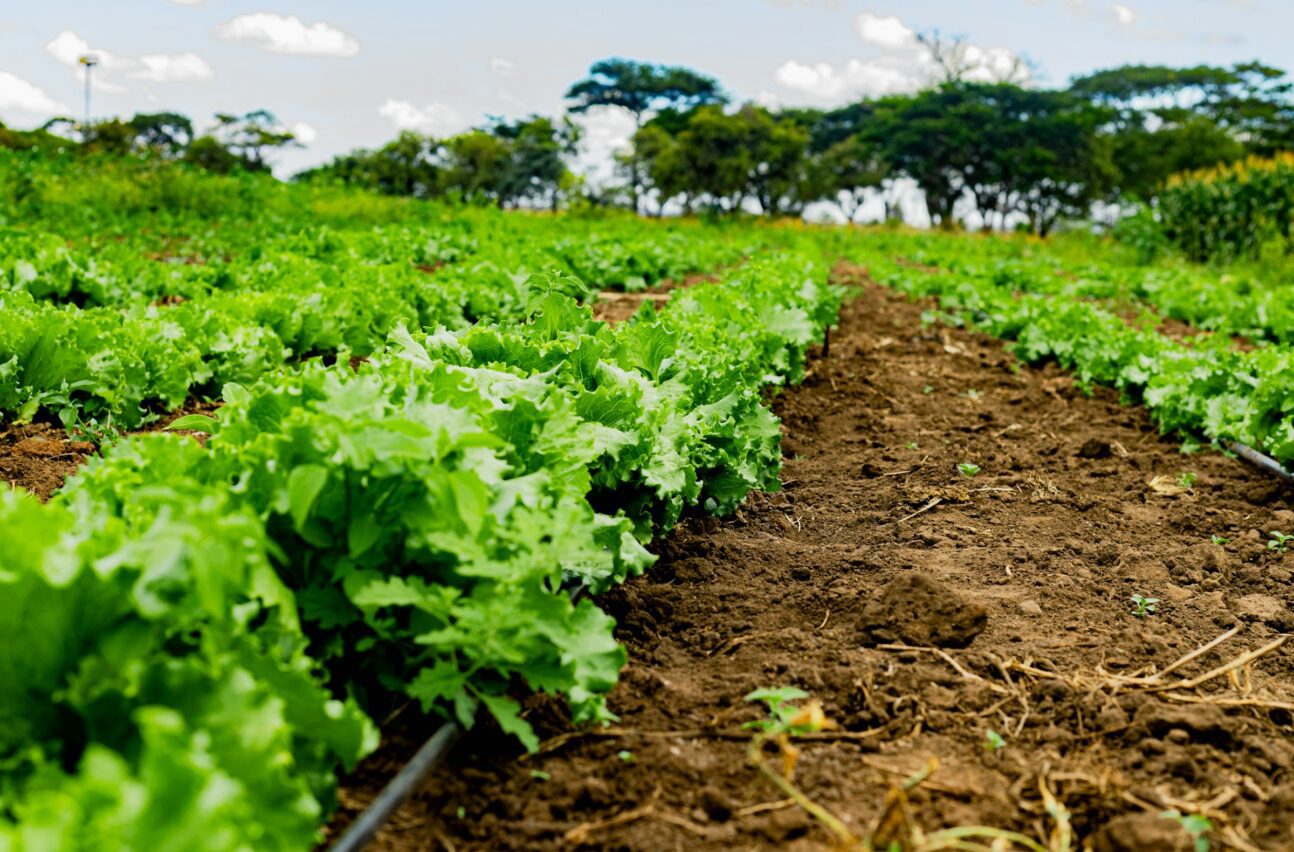
Rwanda’s integrated approach to sustainable agriculture and nutrition
Project Titles & Institution Areas of Research Number of Projects being funded Project Duration Grant Amount In-Kind Distribution Council Collaboration with other councils