
SGCI News
Kenya has unveiled a landmark national framework to transform its research and innovation ecosystem over the next decade, with a clear mandate to reduce dependence on external funding and build…
Kenya has unveiled a landmark national framework to transform its research and innovation ecosystem over the next decade, with a clear mandate to reduce dependence on external funding and build a knowledge-driven economy from within.
The Kenya Research Financing and Capacity Strengthening Masterplan (2026–2036) was presented during the closing ceremony of the inaugural Science, Technology, Research and Innovation for Society (STRI4Society) Week 2026, held at the Kenyatta International Convention Centre in Nairobi.
The ten-year blueprint sets out a comprehensive strategy for strengthening research financing, institutional capacity, infrastructure, and the commercialisation of research outputs.
It directly addresses persistent challenges facing Kenya’s research ecosystem, including chronic underfunding, fragmented financing structures, limited uptake of research outputs by industry, and an overreliance on development partners who currently account for roughly 51 per cent of the country’s research funding.
Kenya presently invests approximately 0.8 per cent of its Gross Domestic Product (GDP) in research and development, falling short of both its national target of two per cent and broader continental aspirations. The Masterplan sets a course to close that gap.
Speaking at the closing ceremony, Kenya’s Prime Cabinet Secretary and Cabinet Secretary for Foreign and Diaspora Affairs, Musalia Mudavadi, said the government is committed to placing science and innovation at the centre of national development.
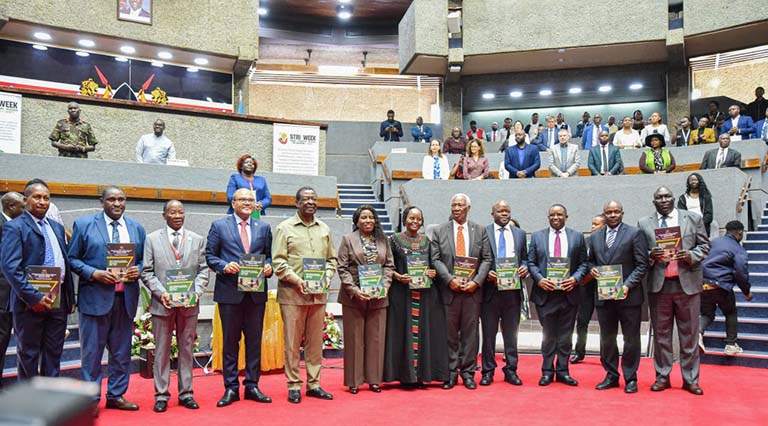
“We must place research, invention, and the application of knowledge at the heart of how we think about national progress and societal transformation,” Mudavadi said.
Shaukat Abdulrazak, principal secretary for the State Department for Science, Research and Innovation, described the Masterplan as a turning point for how Kenya mobilises and manages research funding.
“The Masterplan provides a coherent, predictable, and sustainable framework for mobilising and managing research financing while strengthening institutional and human capacity across the research and development ecosystem,” he said.
The Masterplan is anchored on five strategic pillars: sustainable research financing, research infrastructure and digital systems, human capital and institutional capacity, industry linkages and societal impact, and policy, legal, and regulatory frameworks.
It also prioritises emerging technologies, open science, science diplomacy, digitalisation, and county-level integration to ensure research contributes directly to socio-economic transformation.
Developed through a broad consultative process involving government institutions, academia, research organisations, development partners, the private sector, and civil society, the Masterplan positions Kenya to deepen its role as a regional hub for research, innovation, and industrial competitiveness.
The Masterplan represents an important milestone for research and innovation funding in Africa and aligns closely with the goals championed by the Science Granting Councils Initiative, which supports stronger national research systems, sustainable research financing, and evidence-based policymaking across the continent.
Please check out the stories and let us know what you think. We would love to hear from you!
Let’s continue the conversation on our social media
Published on 8 June 2026
By Jackie Opara-Fatoye
Related News
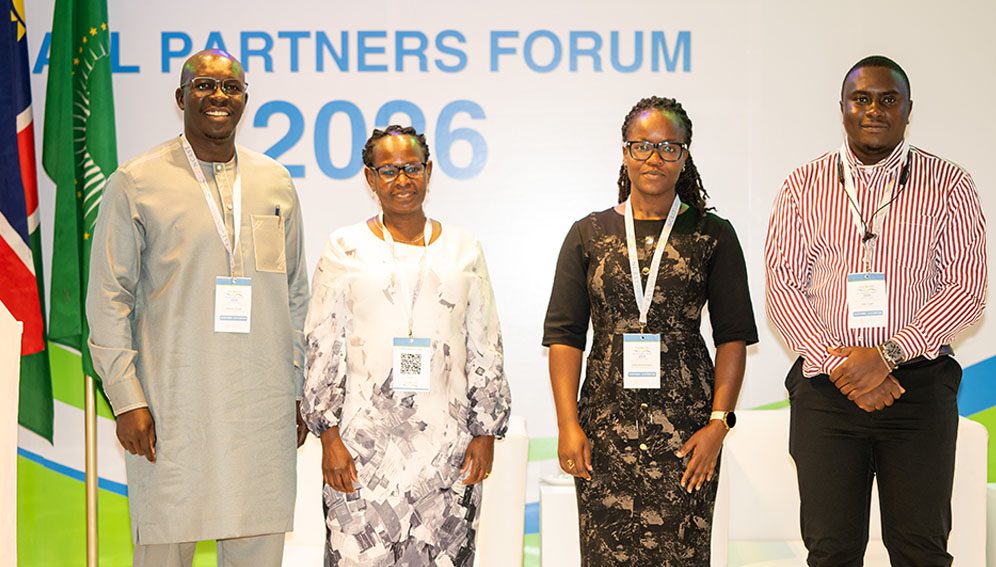
Voices from the SGCI Forum: Building an African-led science system
From calls for African-led research funding to stronger engagement with communities and governments, participants at the 2026 Science Granting Councils Initiative (SGCI) All Partners Forum left Windhoek with a shared sense that Africa’s science and innovation systems are entering a new phase. Held from 28…
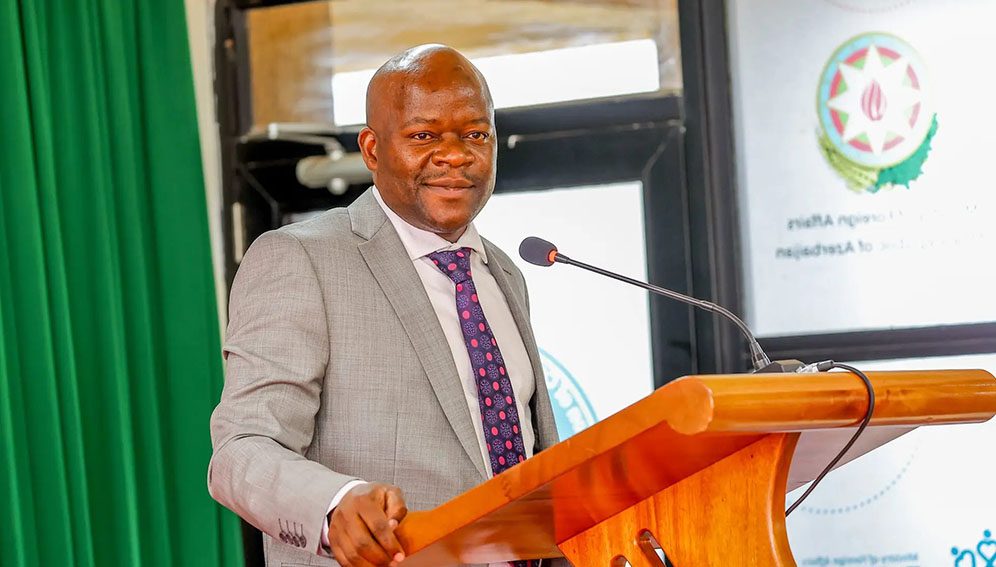
NRF champions science, climate action and youth empowerment
Kenya’s National Research Fund (NRF) is strengthening efforts to connect scientific research, innovation and youth participation with practical responses to climate and environmental challenges. NRF chief executive officer Dickson Andala represented the fund at the launch of the Climate Policy and Advocacy Training – Cohort…
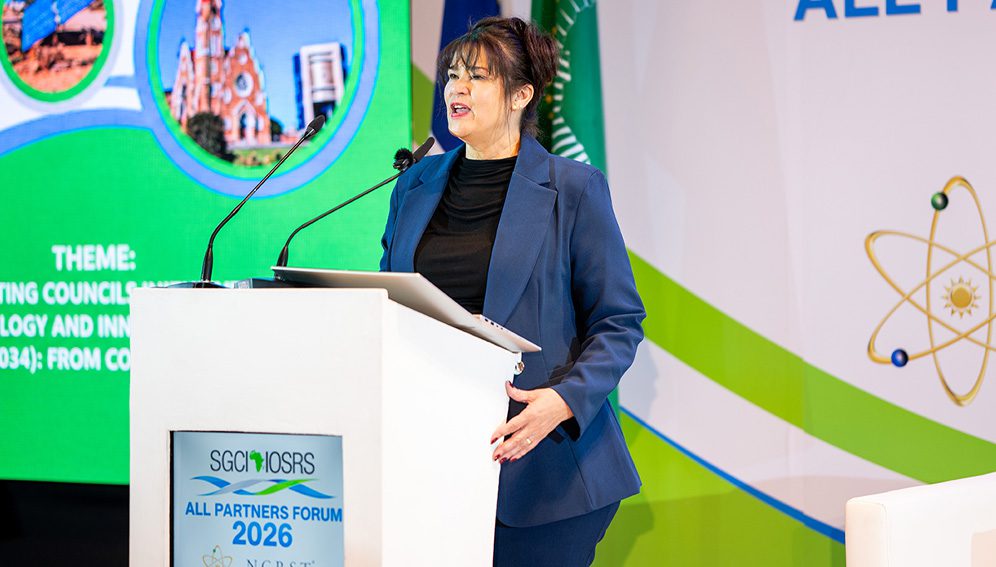
Windhoek Declaration: African science funders pledge to act as one
Science granting councils say Africa’s research systems need African ownership, steadier funding and less fragmentation. Here is what they agreed in Windhoek. African science granting councils adopted a collective declaration in Windhoek, Namibia, on 1 October 2026, as part of the Science Granting Councils Initiative…


SGCI funded projects

Rwanda’s integrated approach to sustainable agriculture and nutrition
Project Titles & Institution Areas of Research Number of Projects being funded Project Duration Grant Amount In-Kind Distribution Council Collaboration with other councils