
SGCI News
Across Africa, locally driven research is delivering practical solutions to some of the continent’s most pressing development challenges, from food security and clean energy to livelihoods and industrial efficiency. Supported…
Across Africa, locally driven research is delivering practical solutions to some of the continent’s most pressing development challenges, from food security and clean energy to livelihoods and industrial efficiency.
Supported by the Science Granting Councils Initiative (SGCI), these innovations show how targeted funding, skills development, and researcher–community collaboration can translate ideas into impact.
This third part of the Innovation Highlight Series spotlights six SGCI-backed projects that are transforming waste into value, enhancing agricultural productivity, bolstering artisanal industries, and reducing production costs while generating new income opportunities for communities.
Uganda’s snack crickets chomp on food waste
In Uganda’s Masaka district, researchers are transforming food waste into affordable feed for edible crickets — a growing source of protein and income. By using banana peels and other organic waste, the innovation cuts feed costs while tackling urban waste challenges, creating a circular economy that benefits farmers and the environment.
Artificial insemination a win for Zimbabwe’s farmers
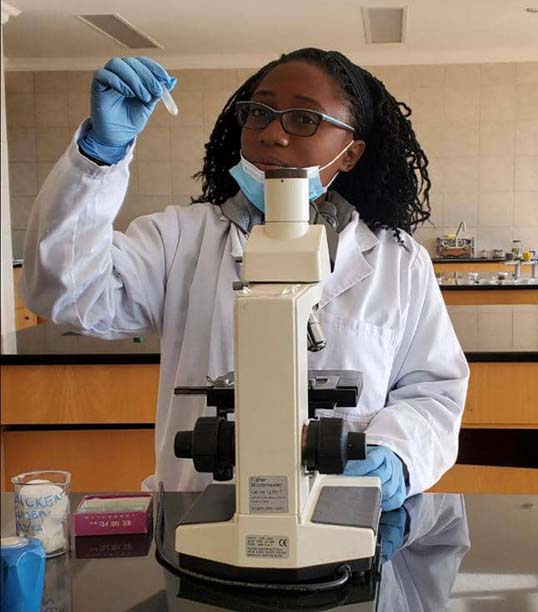
Low-cost artificial insemination and crossbreeding techniques are helping Zimbabwean farmers enhance the quality and productivity of their livestock. Fertility rates in poultry have risen sharply, while improved goat breeds fetch higher market prices, boosting incomes and strengthening rural livelihoods.
Sand solution could cut mining costs in Botswana
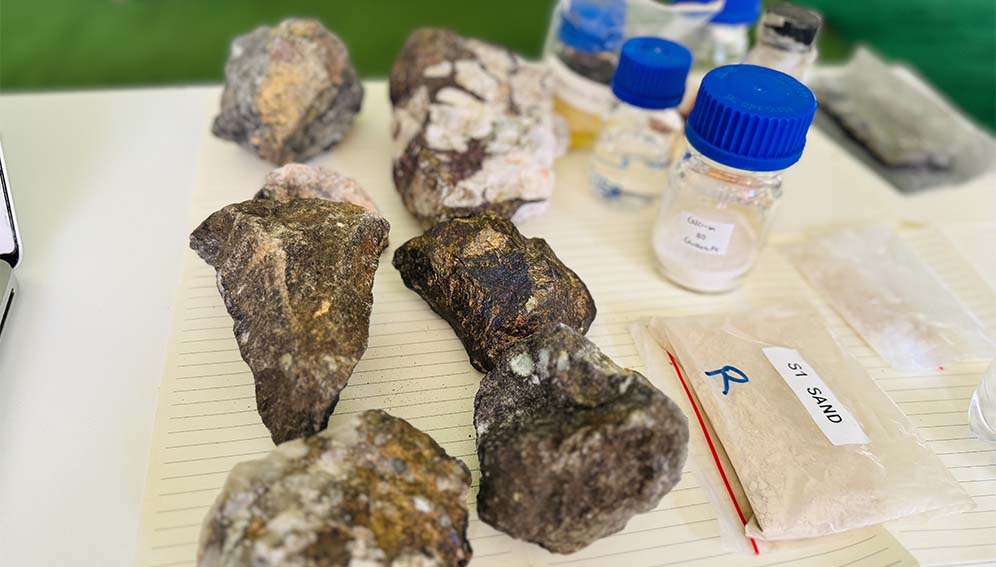
Botswana researchers have developed a mineral processing chemical using locally sourced sand, offering mining companies a cheaper and more sustainable alternative to imported products. The innovation could reduce operational costs by up to 30 per cent while lowering environmental impact.
Leather training project doubles artisan profits in Kenya
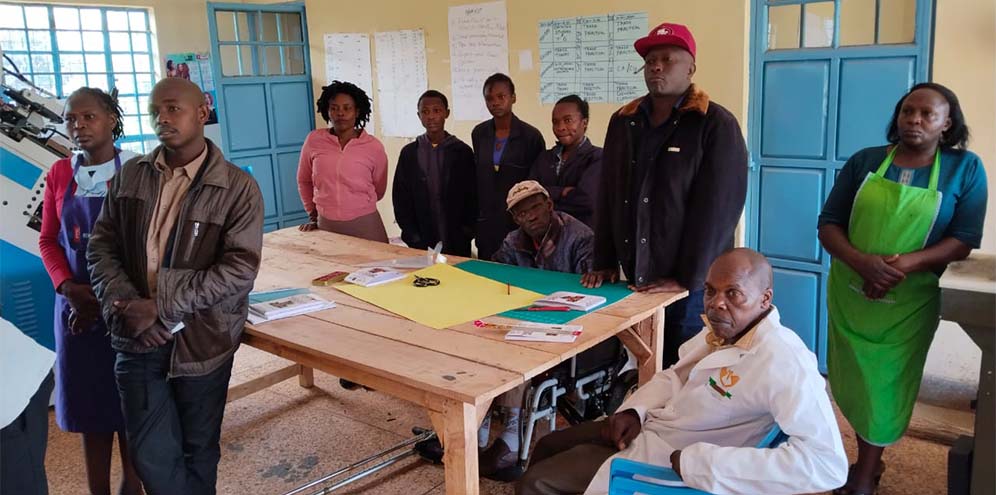
A skills-based training programme in Kenya’s leather sector is enabling women and youth to produce higher-quality goods and access better markets. With improved processing techniques, participating artisans have more than doubled their profits.
Cocoa fermenting box reaps rewards for Uganda’s farmers
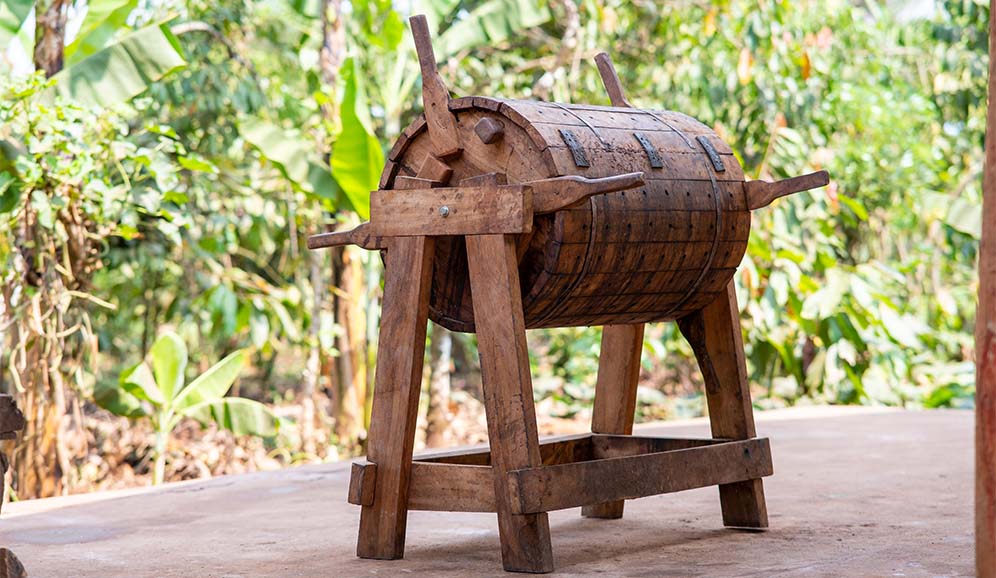
A locally designed cocoa fermenting box is helping Ugandan farmers improve bean quality, reduce labour, and secure better prices. The innovation has increased incomes by about 40 per cent and made cocoa processing more accessible for women and people with disabilities.
Invasive lake weed turned to clean energy in Ethiopia
In Ethiopia, an invasive aquatic weed is being converted into biogas for cooking and lighting, while producing organic fertiliser as a by-product. The solution clears waterways, reduces pressure on forests, and provides a sustainable energy alternative for lakeside communities.
Stay tuned for the final part of the innovation series.
Please check out the stories and let us know what you think. We would love to hear from you!
Let’s continue the conversation on our social media
Related News
Côte d’Ivoire boosts research capacity with national training drive
Côte d’Ivoire has taken a significant step towards strengthening its scientific ecosystem, following a three-day capacity-building programme aimed at elevating research standards to the global stage. Held from March 23–25 in San Pedro, the training, led by the Fund for Science, Technology and Innovation (FONSTI)…
Community biogas project reduces waste in Namibia
In Groot Aub, a semi-rural settlement on the outskirts of Windhoek, Namibia, cooking a simple meal once came at a cost of time, money, and health. Firewood smoke-filled kitchens, and households spent significant portions of their income on fuel. For many, firewood alone costs up…

Transforming research funding for gender equity in Africa
Decisions about what gets funded, who receives grants, and which questions are considered worth asking shape the very nature of knowledge. And for too long, those decisions have reflected and reinforced deep inequalities, particularly for women, who make up only 30 per cent of researchers…
Research and Resources

SGCI funded projects
Rwanda’s integrated approach to sustainable agriculture and nutrition
Project Titles & Institution Areas of Research Number of Projects being funded Project Duration Grant Amount In-Kind Distribution Council Collaboration with other councils