SGCI News
Do you know that SGCI champions gender equity and inclusiveness in science? The Science Granting Councils Initiative (SGCI) is driving gender equity and inclusiveness in science, technology, and innovation across…
Do you know that SGCI champions gender equity and inclusiveness in science?
The Science Granting Councils Initiative (SGCI) is driving gender equity and inclusiveness in science, technology, and innovation across Africa.
Through strategic collaborations, SGCI is making research environments more diverse, equitable, and inclusive. Here’s how:
- Developing a gender equality and inclusivity policy framework – Establishing guidelines for integrating gender, diversity, and intersectionality in research teams, methodologies, and environments.
- Providing technical support – Assisting Science Granting Councils (SGCs) in embedding GEI considerations into grant-making and research management.
- Hosting ‘Reflections at the Intersections’ – A quarterly dialogue series exploring critical topics on gender and inclusivity in research.
- Advancing empirical research – Tackling gender gaps in science, technology, and innovation (STI) to create more inclusive research spaces.
- Driving global engagement – Co-hosting GEI sessions at SGCI annual forums, supporting participation in the Gender Summit, and contributing to the Global Research Council’s Equity, Diversity, and Inclusion Working Group.
By fostering gender-responsive policies and research practices, SGCI is paving the way for a more inclusive and impactful STI ecosystem in Africa.
Would you like to know more?
Look at excerpts from some of the work SGCI has done on gender and inclusivity published on the website.
The article states that stronger policies and concrete actions are needed to ensure gender parity in science, technology, and innovation.
This gender equality initiative aims to develop the skills of women in Sub-Saharan Africa, in order to integrate gender issues into science, technology, and innovation.
“When we think about how gender and women’s inclusion issues are dealt with within science funding councils, we have to recognise that, when we first started working in science and research, [et] that we created the funding councils, they were set up mainly by men,” says Ingrid Lynch, lead investigator for gender and women’s inclusion for Initiative of Scientific Research Granting Agencies project within the Social Sciences and Humanities Research Council, South Africa.
“In addition, some of this heritage remains to this day.”
Lynch said IOSRS created the Gender and Women’s Inclusion Project to ensure that women can play a role in science in Africa.
Let’s continue the conversation on our social media. Follow us on X and LinkedIn.
Related News
Voices from the SGCI Forum: Building an African-led science system
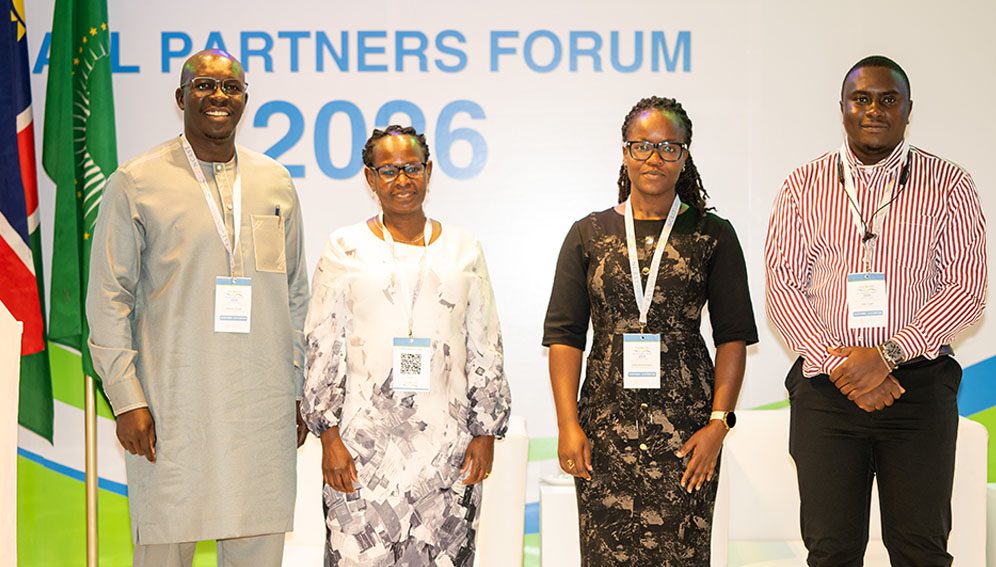
From calls for African-led research funding to stronger engagement with communities and governments, participants at the 2026 Science Granting Councils Initiative (SGCI) All Partners Forum left Windhoek with a shared sense that Africa’s science and innovation systems are entering a new phase. Held from 28…
NRF champions science, climate action and youth empowerment
Kenya’s National Research Fund (NRF) is strengthening efforts to connect scientific research, innovation and youth participation with practical responses to climate and environmental challenges. NRF chief executive officer Dickson Andala represented the fund at the launch of the Climate Policy and Advocacy Training – Cohort…
Windhoek Declaration: African science funders pledge to act as one
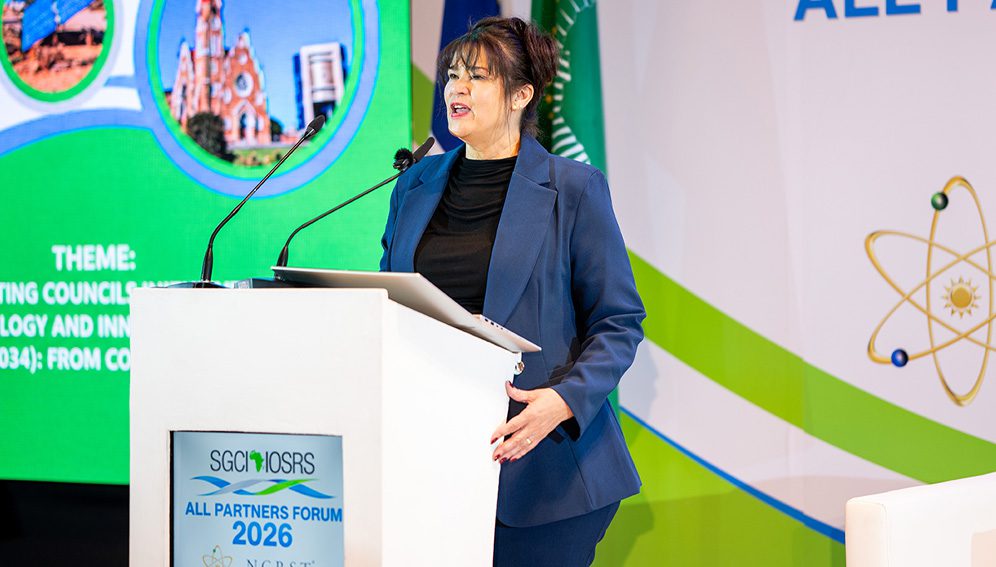
Science granting councils say Africa’s research systems need African ownership, steadier funding and less fragmentation. Here is what they agreed in Windhoek. African science granting councils adopted a collective declaration in Windhoek, Namibia, on 1 October 2026, as part of the Science Granting Councils Initiative…


SGCI funded projects

Rwanda’s integrated approach to sustainable agriculture and nutrition
Project Titles & Institution Areas of Research Number of Projects being funded Project Duration Grant Amount In-Kind Distribution Council Collaboration with other councils