SGCI News
The International Institute for Applied Systems Analysis (IIASA) and the Lake Victoria Basin Commission (LVBC) invite qualified experts to contribute to a scoping study and assessment report on “The intersectional…
The International Institute for Applied Systems Analysis (IIASA) and the Lake Victoria Basin Commission (LVBC) invite qualified experts to contribute to a scoping study and assessment report on “The intersectional dimension of gender-sensitive drought management in East Africa.”
The consultancy will provide technical input for the research-for-development study project, Enhancing Resilience to Extreme Drought Events in East Africa (INTERVENE), which is funded by the Austrian Development Cooperation.
Context and background
Climate change is increasing the frequency and intensity of droughts in East Africa, threatening economic growth, ecosystems, and livelihoods. Effective drought management calls for adaptive strategies, skills, and technologies. Women in Sub-Saharan Africa play a critical role in drought-related adaptation due to their contributions to agriculture and responsibilities for water, sanitation, and hygiene (WASH).
The INTERVENE project seeks to strengthen drought resilience by enhancing understanding of drought impacts and identifying adaptation pathways across the East African Community (EAC). The three-year project, implemented by IIASA’s Water Security Group in partnership with LVBC, focuses on three interconnected output areas:
- Raising awareness of gender aspects of drought resilience.
- Developing drought preparedness and response strategies and action plans.
- Improving drought resilience capacity to inform policy and practice.
Objective of the assignment
The consultancy aims to provide a stock-taking of drought preparedness across EAC countries by:
- Reviewing current drought policies, planning, and management frameworks, including gender-sensitive aspects.
- Identifying existing experience and knowledge in coping with drought.
The goal is to identify gaps and opportunities to strengthen drought preparedness and provide key input for the INTERVENE project’s ongoing activities and modelling frameworks.
Description of the assignment
Each consultant will focus on one EAC country – Burundi, DR Congo, Kenya, Rwanda, Somalia, South Sudan, Tanzania, or Uganda and compile information on:
- The current policy and institutional frameworks for drought resilience.
- The extent of gender relevance in drought-related policies and strategies.
- Historic response strategies to drought.
The assessment will include a desktop review and stakeholder interviews (5–6 per country). Consultants will attend briefing and coordination meetings, complete a drought questionnaire, prepare a 12-page country report, and present findings in a virtual seminar. They will also contribute to the final assessment report on gender-sensitive drought management.
Qualifications and competences
Applicants should hold a university degree and have at least three years’ experience in sustainable water and land resource management, climate change adaptation, and gender considerations in resilience assessments. Strong English communication and reporting skills are required.
Duration and remuneration
The assignment begins upon contract signing and runs for one year. The maximum budget allocation is EURO (€5,000 per country, all inclusive). Payments will be made in three instalments:
- 20 per cent after completing Tasks 1–2
- 60 per cent after submitting the completed questionnaire (Tasks 3–7)
- 20 per cent after final review and contribution to the assessment report
Management Arrangements
The consultancy will be coordinated by IIASA’s INTERVENE team, led by Sylvia Tramberend, (trambers@iiasa.ac.at) with support from LVBC.
Application procedure
Interested experts should:
- Complete the online form: https://forms.office.com/e/TqrEqaqkVh
- Submit a CV and relevant qualifications by email.
- Include a financial offer (in Euros) covering personnel and miscellaneous costs.
Applications should be submitted by 15 October 2025 to:
- Sylvia Tramberend (trambers@iiasa.ac.at)
- CC: Sam Knights (knights@iiasa.ac.at) and Paul Kariuki (kariuki@lvbcom.org)
Email subject line: INTERVENE Local Expert – [Country Name] (e.g., “INTERVENE Local Expert – BURUNDI”).
Experts may apply for up to two countries if supported by their expertise.
Download TOR >>HERE<<
Please check out the stories and let us know what you think. We would love to hear from you!
Let’s continue the conversation on our social media
Published on 6 October 2025
Related News
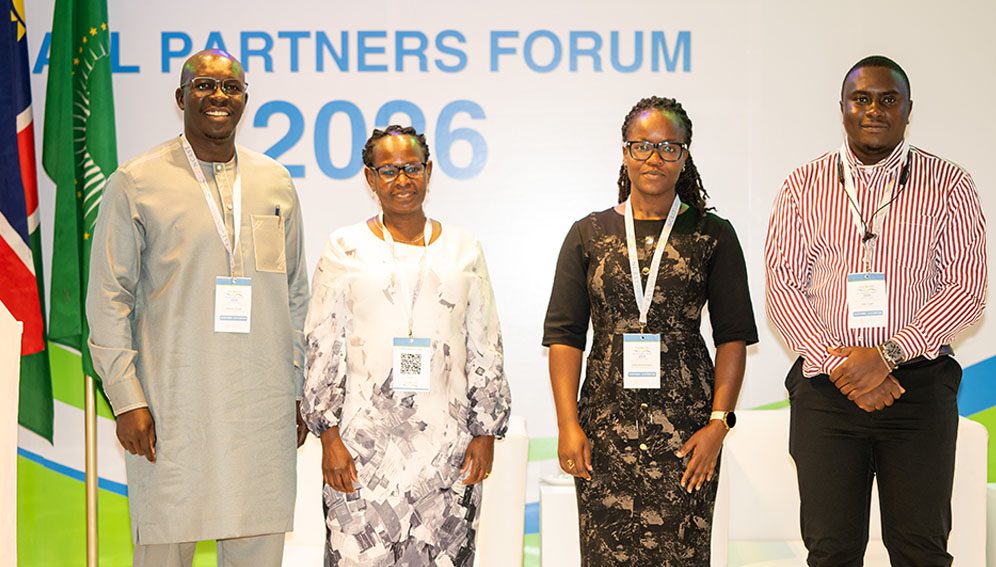
Voices from the SGCI Forum: Building an African-led science system
From calls for African-led research funding to stronger engagement with communities and governments, participants at the 2026 Science Granting Councils Initiative (SGCI) All Partners Forum left Windhoek with a shared sense that Africa’s science and innovation systems are entering a new phase. Held from 28…
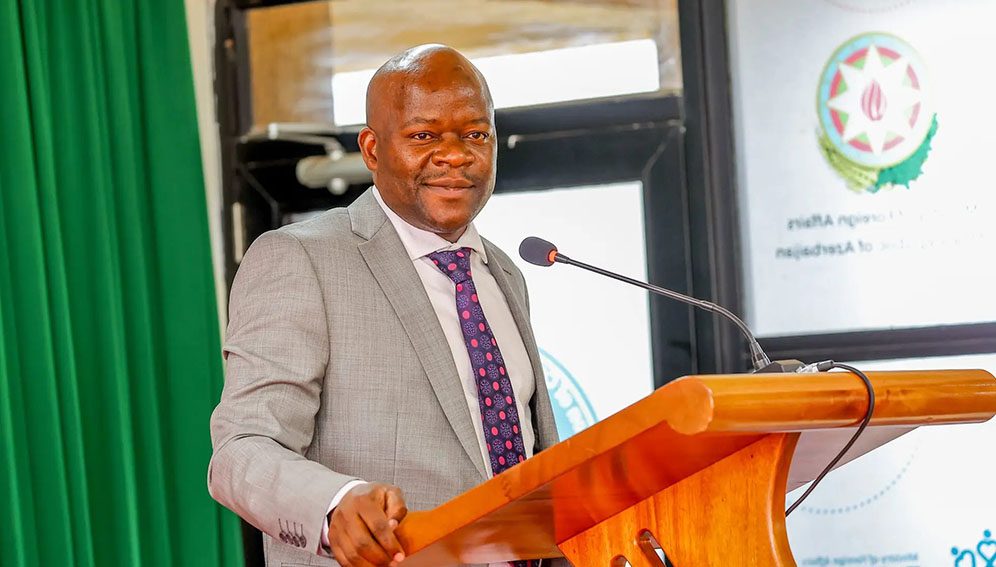
NRF champions science, climate action and youth empowerment
Kenya’s National Research Fund (NRF) is strengthening efforts to connect scientific research, innovation and youth participation with practical responses to climate and environmental challenges. NRF chief executive officer Dickson Andala represented the fund at the launch of the Climate Policy and Advocacy Training – Cohort…
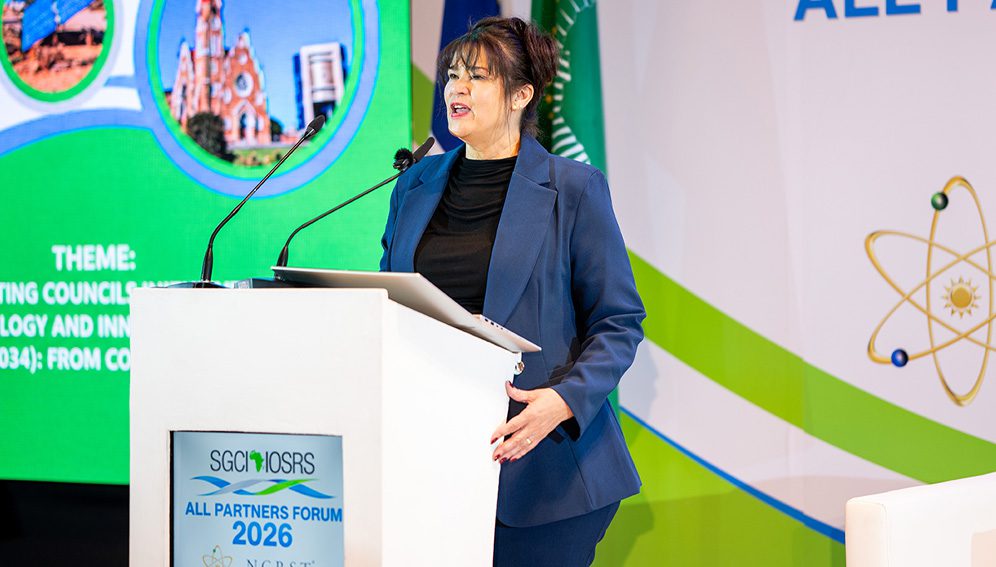
Windhoek Declaration: African science funders pledge to act as one
Science granting councils say Africa’s research systems need African ownership, steadier funding and less fragmentation. Here is what they agreed in Windhoek. African science granting councils adopted a collective declaration in Windhoek, Namibia, on 1 October 2026, as part of the Science Granting Councils Initiative…


SGCI funded projects
Rwanda’s integrated approach to sustainable agriculture and nutrition
Project Titles & Institution Areas of Research Number of Projects being funded Project Duration Grant Amount In-Kind Distribution Council Collaboration with other councils