
SGCI News
Africa has made important gains in agricultural production over the past decades, yet millions of people across the continent continue to face food insecurity, malnutrition and the growing impacts of…
Africa has made important gains in agricultural production over the past decades, yet millions of people across the continent continue to face food insecurity, malnutrition and the growing impacts of climate change.
Population growth, declining soil fertility, emerging pests and diseases, water scarcity, and fragmented food value chains are placing increasing pressure on agricultural systems.
Meeting these challenges requires more than increasing food production. It calls for research and innovation that help farmers produce more sustainably, strengthen food systems, improve nutrition, reduce post-harvest losses and create resilient agricultural value chains capable of supporting livelihoods and economic growth.
Recognising the central role of agriculture in Africa’s development, the Science Granting Councils Initiative (SGCI) identified agriculture and food systems as one of the priority thematic areas under the STISA 2034 Multilateral Research Call.
The initiative invites African research institutions to develop collaborative solutions to address some of the continent’s most pressing agricultural challenges while contributing to long-term food and nutrition security.
Building resilient African food systems
Agriculture remains the backbone of many African economies, employing a large share of the population and supporting rural livelihoods. However, increasing climate variability, degraded natural resources, and changing market demands mean that conventional approaches are no longer sufficient.
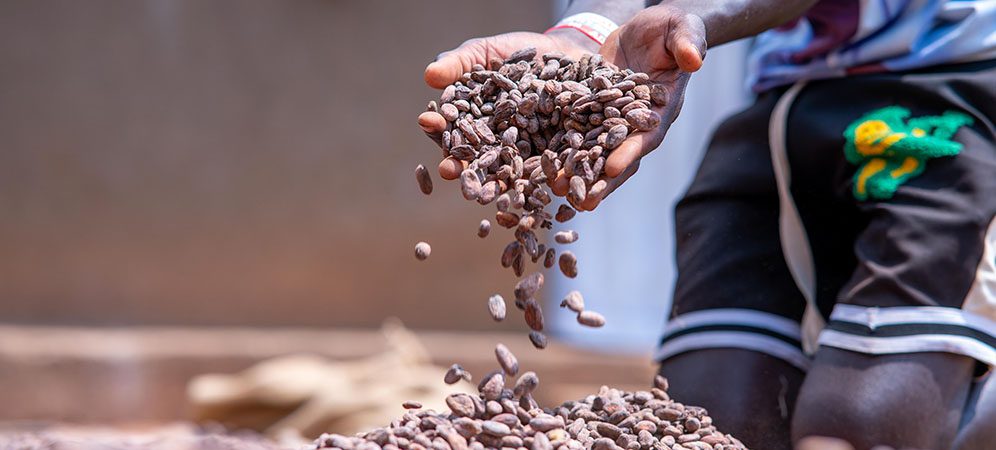
The SGCI-STISA 2034 Multilateral Research Call encourages research that strengthens climate-smart agriculture, improves food security and develops more efficient agricultural value chains. These priorities aim to support productive, resilient and inclusive agrifood systems capable of responding to both current and future challenges.
Research supported through the call is expected to generate practical evidence to inform policy, improve farming systems, and accelerate the adoption of innovations that benefit vulnerable and underserved communities across Africa.
Collaboration across borders
Many agricultural challenges transcend national boundaries. Climate change, transboundary pests, declining biodiversity, and regional food markets require coordinated solutions that individual countries cannot address alone.
To encourage greater collaboration, the SGCI-STISA 2034 call supports Africa-led, multi-country research consortia involving institutions from at least three participating African countries. These partnerships are designed to strengthen scientific collaboration, promote knowledge exchange and produce evidence that can be applied across different regions of the continent.
By bringing together universities, public research organisations and government research institutions, the initiative seeks to strengthen Africa’s research capacity while ensuring that scientific findings contribute directly to policy development and sustainable agricultural transformation.
Aligning research with continental priorities
The multilateral research call supports the implementation of the African Union’s Science, Technology and Innovation Strategy for Africa (STISA 2034) by investing in African-led research that responds to the continent’s development priorities.

Beyond generating new scientific knowledge, the initiative aims to strengthen science and innovation systems, support evidence-based policymaking and encourage research that delivers measurable social and economic impact. Agriculture and food systems are among the five strategic thematic areas, which also include health, artificial intelligence and digital technologies, energy, and environment and climate resilience.
A call to Africa’s agricultural research community
African universities, public research organisations and government research institutions working in agriculture and food systems are encouraged to explore the opportunity and begin building or joining eligible research consortia.
The SGCI-STISA-2034 Multilateral Research Call is supported through a partnership of African Science Granting Councils, the International Development Research Centre (IDRC), the Government of Norway, the UK’s Foreign, Commonwealth & Development Office (FCDO), and Wellcome.
The call welcomes proposals focused on climate-smart agriculture, food security and agricultural value chains that contribute to resilient, productive and inclusive agrifood systems.
Expressions of interest must be submitted by 25 September 2026, with applicants encouraged to use the Research Matchmaking platform to identify potential collaborators and access application guidance.
Visit the link below to learn more about the opportunity, eligibility requirements, and application process:
Please check out the stories and let us know what you think. We would love to hear from you!
Let’s continue the conversation on our social media
Published on 17 July 2026
By Jackie Opara-Fatoye
Related News
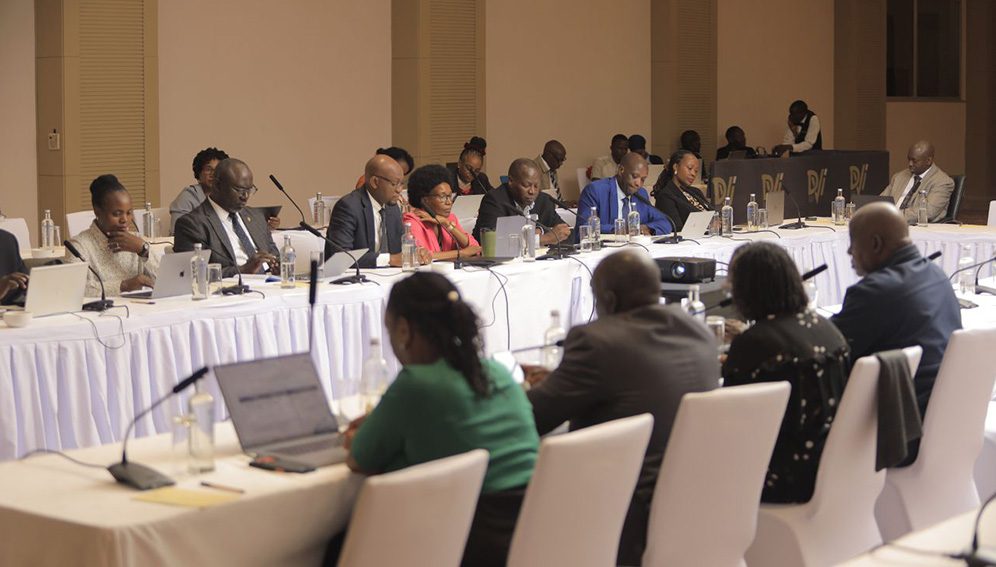
Uganda seeks stronger STI ties to drive its $500bn economy
Uganda’s ambition to grow its economy to US$500 billion will depend partly on stronger collaboration across its science, technology and innovation (STI) ecosystem, the country’s science and technology council has said. The Uganda National Council for Science and Technology (UNCST) is calling for closer coordination…
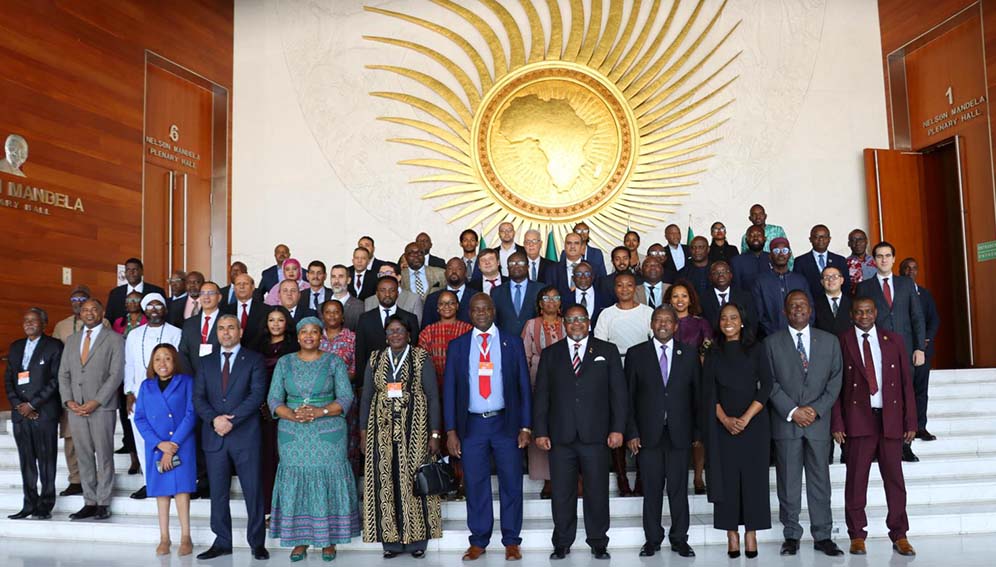
African Union backs science councils to drive STISA-2034 agenda
African Union ministers have recognised Science Granting Councils Initiative (SGCI) member institutions as primary vehicles for implementing Africa’s new science, technology and innovation strategy, strengthening the role of national research funding agencies in driving the continent’s development priorities. The recognition was made during the 6th…

Ghana strengthens safeguards for emerging malaria gene-drive research
As Ghana explores gene-drive technology as a potential tool for malaria control, stronger regulatory oversight and collaboration between research institutions and government will be essential to ensuring that scientific innovation does not compromise public health or environmental safety. Ghana is considering the scientific and regulatory…


SGCI funded projects
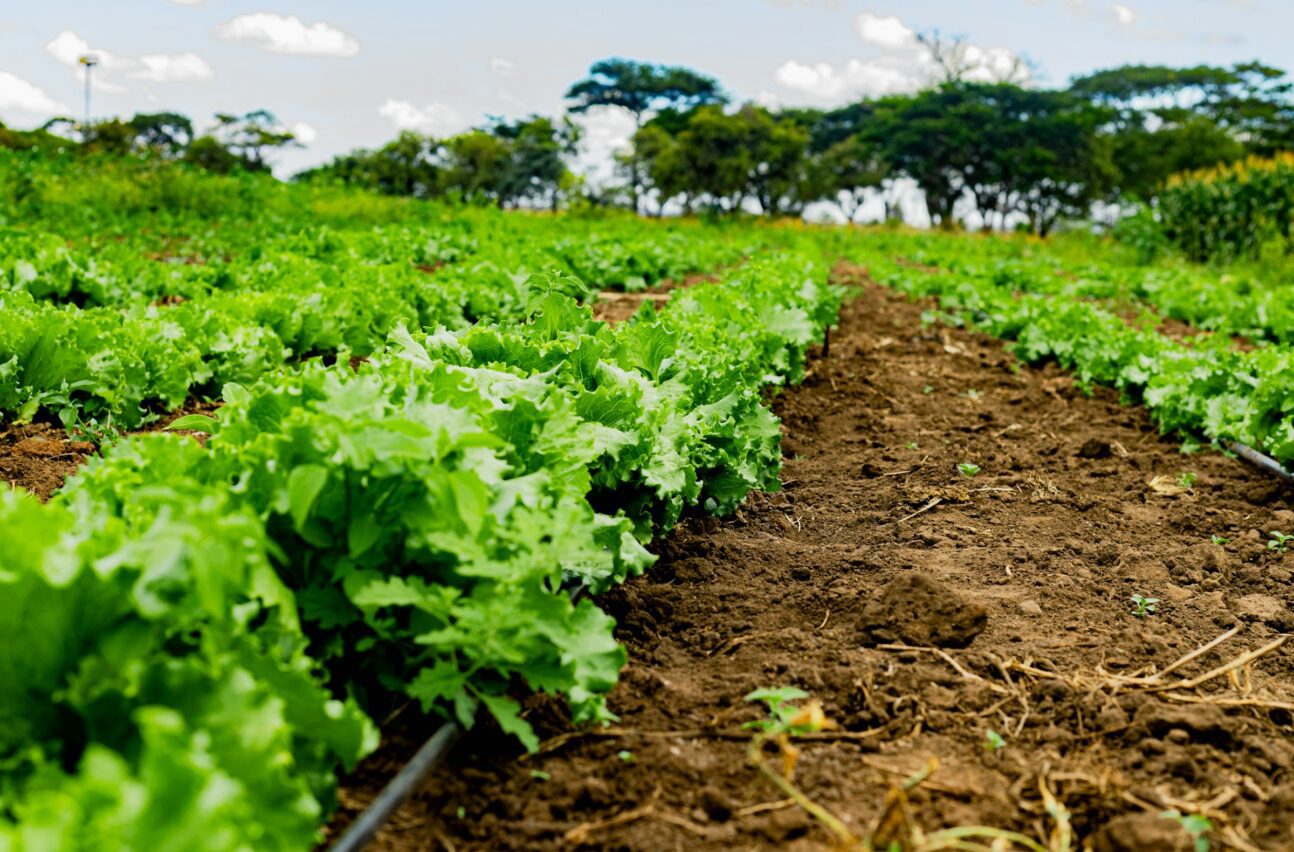
Rwanda’s integrated approach to sustainable agriculture and nutrition
Project Titles & Institution Areas of Research Number of Projects being funded Project Duration Grant Amount In-Kind Distribution Council Collaboration with other councils