SGCI News
Africa’s science, technology, and innovation (STI) landscape has long faced a fundamental challenge. While billions of dollars flow into research and innovation activities across the continent, there has been surprisingly…
Africa’s science, technology, and innovation (STI) landscape has long faced a fundamental challenge. While billions of dollars flow into research and innovation activities across the continent, there has been surprisingly little visibility into where the money comes from, where it goes, and who benefits.
A new report, The State of STI in Africa: Funding Flows and the Role of the Science Granting Councils, commissioned under the Science Granting Councils Initiative (SGCI),tracks more than US$35 billion in research grants disbursed to Africa according to the AU regional classification between 2000 and 2024. It maps who is funding African science, where the money goes, and which fields and organisations are benefiting and which are not.
Health sciences dominate the funding landscape, while fields such as engineering, the humanities, and basic sciences remain significantly underfunded. Official development assistance agencies and international foundations drive much of the external funding, raising persistent questions about African ownership of research priorities. Universities absorb the largest share of grants, but the report documents a notable shift in how and where funds are landing over time.
For the 17 SGCI member countries specifically, the report provides a breakdown of 16,976 grants divided by funder type, scientific field, and recipient organisation. It also examines the science granting councils themselves, their organisational models, their grant management systems, their partnerships, and the challenges and opportunities they face in a rapidly changing international funding environment.
Beyond the numbers, the report provides a clearer picture of the organisations, countries, and research areas attracting investment, while highlighting opportunities to strengthen coordination, improve accountability, and align funding with Africa’s development priorities.
For research funders, policymakers, universities, and innovation stakeholders, the report offers valuable evidence on how Africa’s STI ecosystem is financed and what may be needed to make future investments more strategic and impactful.
Read the full report to explore the findings and discover what the data reveals about the future of science funding in Africa.
Please check out the stories and let us know what you think. We would love to hear from you!
Let’s continue the conversation on our social media
Published on 24 June 2026
By Jackie Opara-Fatoye
Related News
Voices from the SGCI Forum: Building an African-led science system
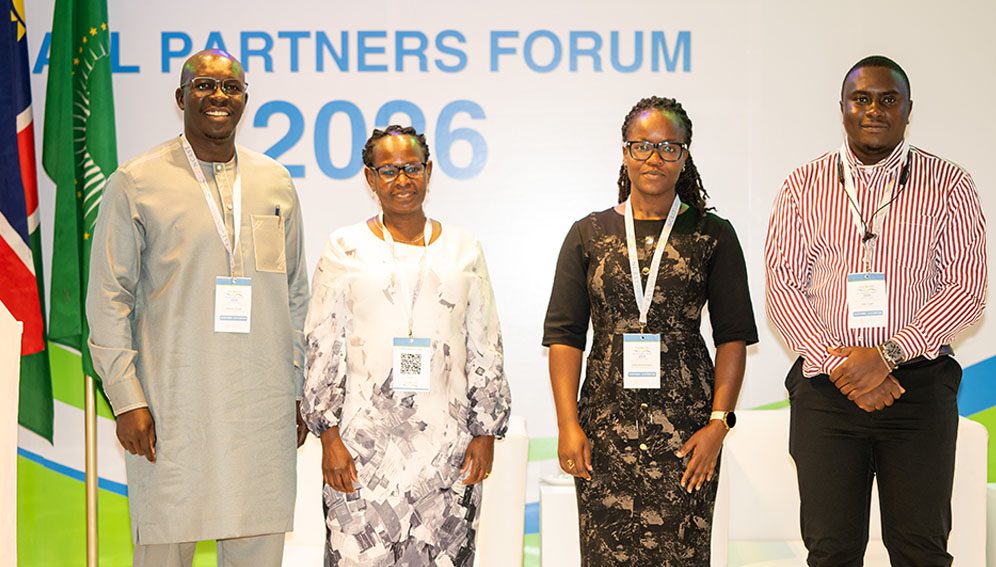
From calls for African-led research funding to stronger engagement with communities and governments, participants at the 2026 Science Granting Councils Initiative (SGCI) All Partners Forum left Windhoek with a shared sense that Africa’s science and innovation systems are entering a new phase. Held from 28…
NRF champions science, climate action and youth empowerment
Kenya’s National Research Fund (NRF) is strengthening efforts to connect scientific research, innovation and youth participation with practical responses to climate and environmental challenges. NRF chief executive officer Dickson Andala represented the fund at the launch of the Climate Policy and Advocacy Training – Cohort…
Windhoek Declaration: African science funders pledge to act as one
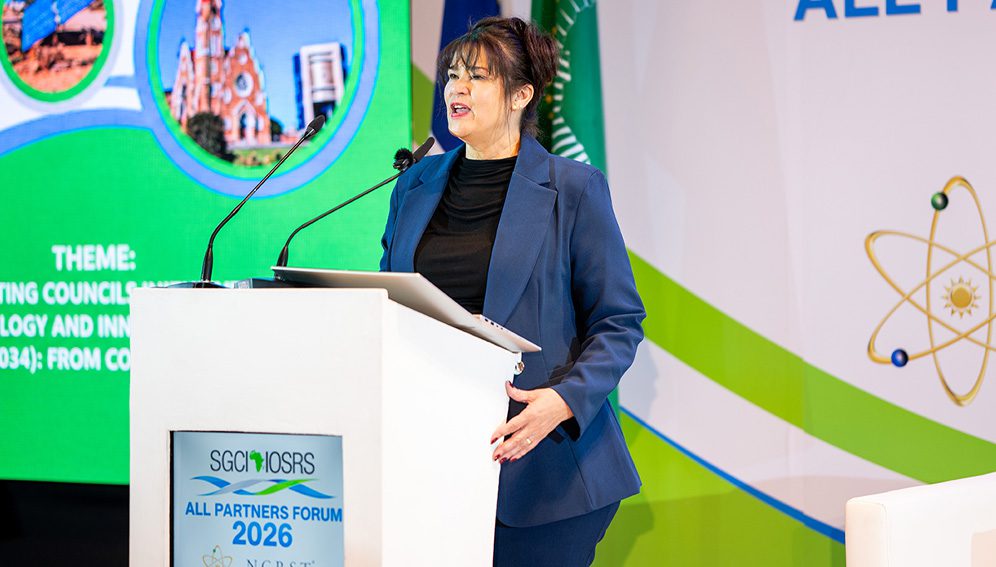
Science granting councils say Africa’s research systems need African ownership, steadier funding and less fragmentation. Here is what they agreed in Windhoek. African science granting councils adopted a collective declaration in Windhoek, Namibia, on 1 October 2026, as part of the Science Granting Councils Initiative…


SGCI funded projects
Rwanda’s integrated approach to sustainable agriculture and nutrition
Project Titles & Institution Areas of Research Number of Projects being funded Project Duration Grant Amount In-Kind Distribution Council Collaboration with other councils