
SGCI News
Kenya has unveiled a landmark national framework to transform its research and innovation ecosystem over the next decade, with a clear mandate to reduce dependence on external funding and build…
Kenya has unveiled a landmark national framework to transform its research and innovation ecosystem over the next decade, with a clear mandate to reduce dependence on external funding and build a knowledge-driven economy from within.
The Kenya Research Financing and Capacity Strengthening Masterplan (2026–2036) was presented during the closing ceremony of the inaugural Science, Technology, Research and Innovation for Society (STRI4Society) Week 2026, held at the Kenyatta International Convention Centre in Nairobi.
The ten-year blueprint sets out a comprehensive strategy for strengthening research financing, institutional capacity, infrastructure, and the commercialisation of research outputs.
It directly addresses persistent challenges facing Kenya’s research ecosystem, including chronic underfunding, fragmented financing structures, limited uptake of research outputs by industry, and an overreliance on development partners who currently account for roughly 51 per cent of the country’s research funding.
Kenya presently invests approximately 0.8 per cent of its Gross Domestic Product (GDP) in research and development, falling short of both its national target of two per cent and broader continental aspirations. The Masterplan sets a course to close that gap.
Speaking at the closing ceremony, Kenya’s Prime Cabinet Secretary and Cabinet Secretary for Foreign and Diaspora Affairs, Musalia Mudavadi, said the government is committed to placing science and innovation at the centre of national development.
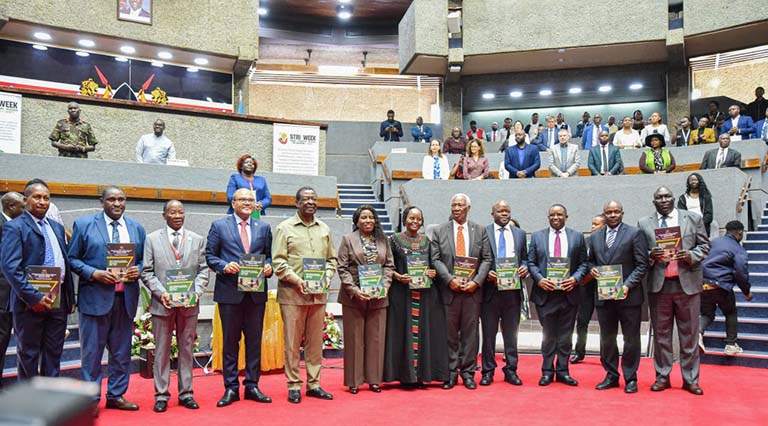
“We must place research, invention, and the application of knowledge at the heart of how we think about national progress and societal transformation,” Mudavadi said.
Shaukat Abdulrazak, principal secretary for the State Department for Science, Research and Innovation, described the Masterplan as a turning point for how Kenya mobilises and manages research funding.
“The Masterplan provides a coherent, predictable, and sustainable framework for mobilising and managing research financing while strengthening institutional and human capacity across the research and development ecosystem,” he said.
The Masterplan is anchored on five strategic pillars: sustainable research financing, research infrastructure and digital systems, human capital and institutional capacity, industry linkages and societal impact, and policy, legal, and regulatory frameworks.
It also prioritises emerging technologies, open science, science diplomacy, digitalisation, and county-level integration to ensure research contributes directly to socio-economic transformation.
Developed through a broad consultative process involving government institutions, academia, research organisations, development partners, the private sector, and civil society, the Masterplan positions Kenya to deepen its role as a regional hub for research, innovation, and industrial competitiveness.
The Masterplan represents an important milestone for research and innovation funding in Africa and aligns closely with the goals championed by the Science Granting Councils Initiative, which supports stronger national research systems, sustainable research financing, and evidence-based policymaking across the continent.
Please check out the stories and let us know what you think. We would love to hear from you!
Let’s continue the conversation on our social media
Published on 8 June 2026
By Jackie Opara-Fatoye
Related News
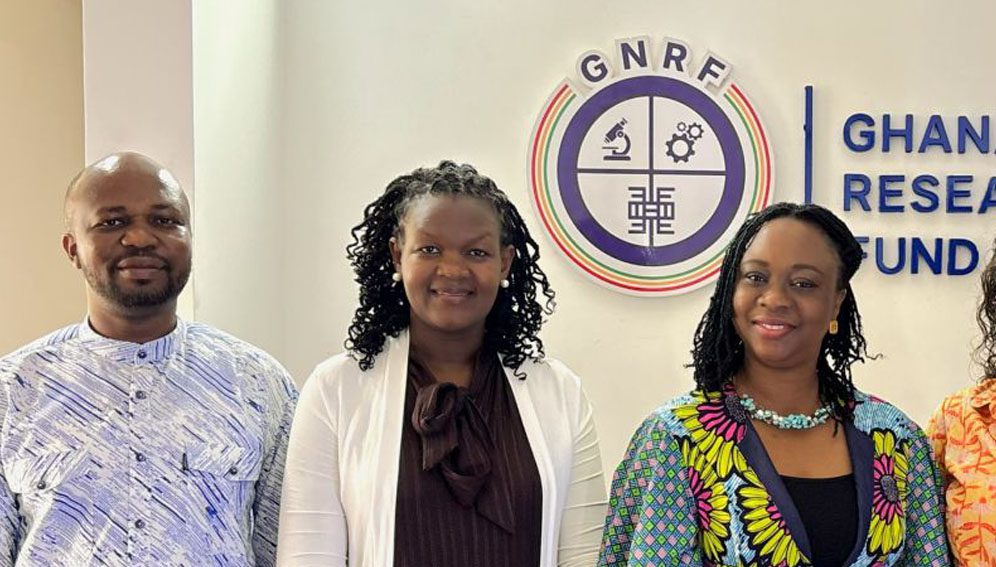
Ghana research fund advances push for open research, science
The Ghana National Research Fund (GNRF) is taking steps to strengthen open access to publicly funded research, as the country develops a framework to advance Open Research and Open Science. GNRF hosted a one-day consultative workshop in Accra with the International Network for Advancing Science…
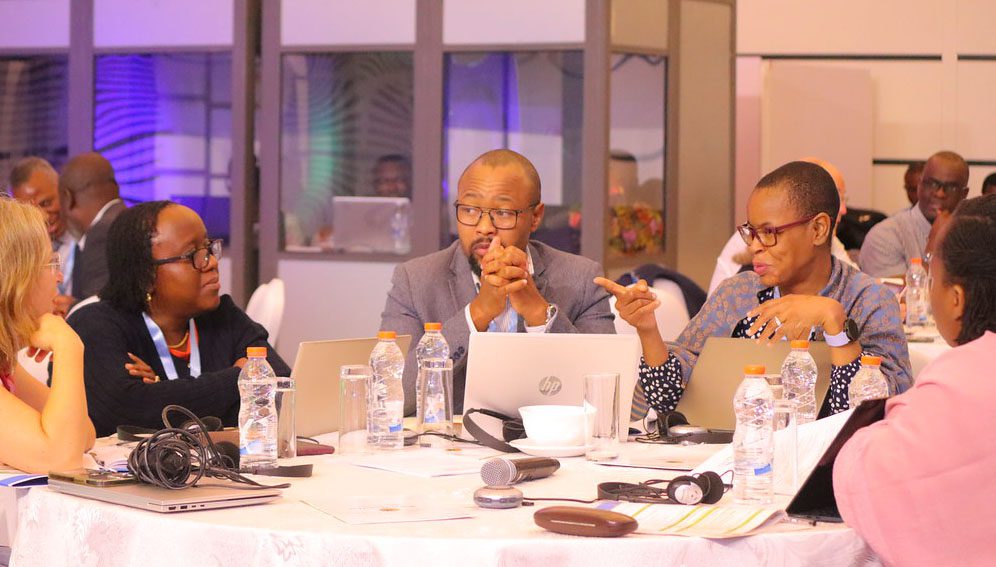
STISA-2034: Councils drive access to Africa’s research opportunity
For a continental research opportunity to deliver impact, researchers need to know whether they are eligible, understand how the opportunity fits their work, find the right partners, and navigate the application process. This is where Africa’s Science Granting Councils have a critical role to play….

How Africa’s STI partnerships and co-investment drive lasting impact
Science, technology, and innovation (STI) in Africa are critical to the continent’s future development and growth. From strengthening skills and institutions to applying science in industry, research goals are interconnected and build on one another. Under STISA-2034, no single institution, funder, or country can deliver…
Research and Resources

SGCI funded projects
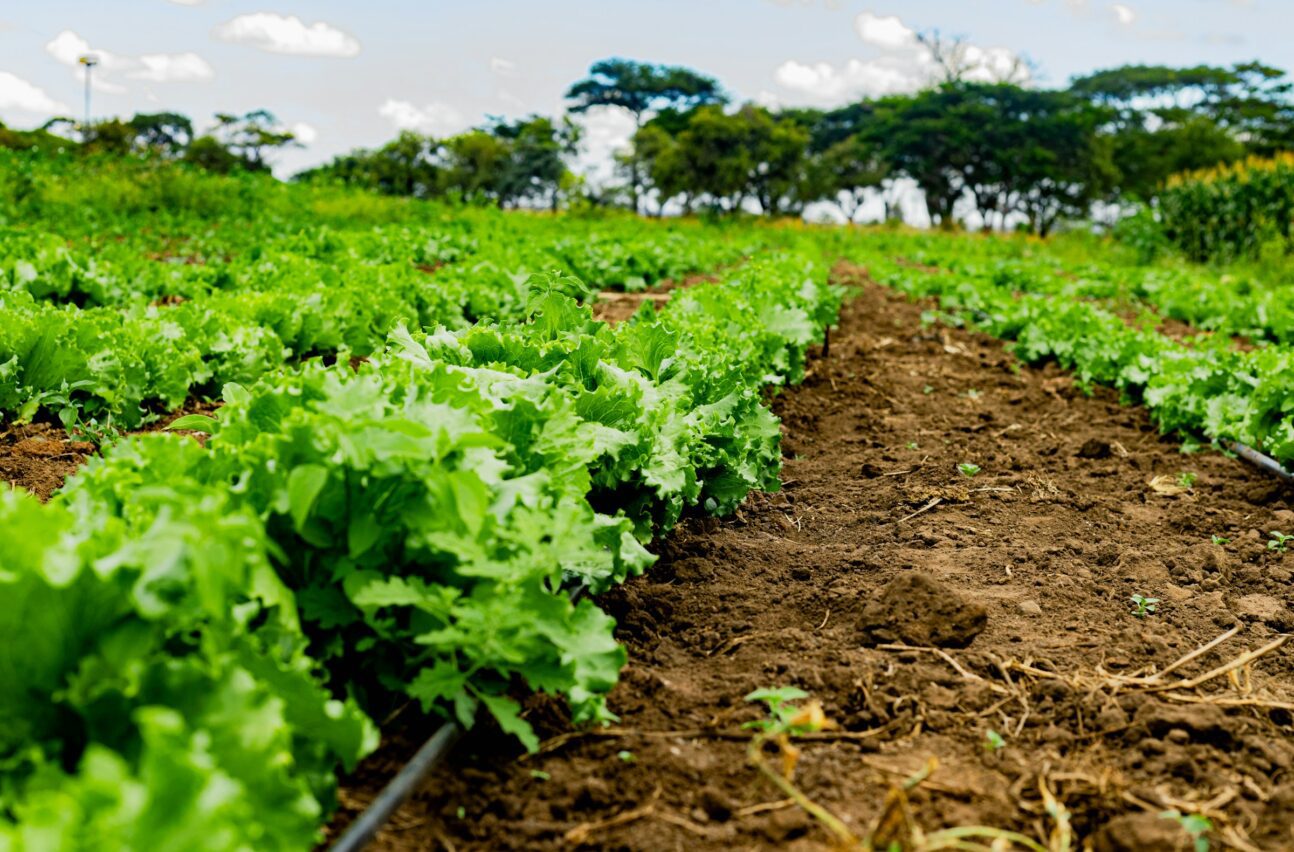
Rwanda’s integrated approach to sustainable agriculture and nutrition
Project Titles & Institution Areas of Research Number of Projects being funded Project Duration Grant Amount In-Kind Distribution Council Collaboration with other councils