SGCI News
The Uganda National Council for Science and Technology (UNCST) hosted the 2025 annual research dissemination conference in partnership with the Network of Early and Mid-career Researchers in Africa, NEMRA. The…
The Uganda National Council for Science and Technology (UNCST) hosted the 2025 annual research dissemination conference in partnership with the Network of Early and Mid-career Researchers in Africa, NEMRA.
The conference was held on 1-2 July at the Yusuf Lule CTF Auditorium, Makerere University, Uganda.
The two-day event gathered graduate students, early-career researchers, and seasoned scholars to share findings, foster collaboration, and drive forward a shared research agenda rooted in Africa’s development priorities.
According to Martin Ongol, executive secretary of UNCST, the conference is part of a broader effort to bridge research with real-world impact.
In his address, he noted the importance of translating research and ideas into services, products, and solutions that solve societal challenges and foster economic growth and transformation.
“There’s a lot of effort to ensure that knowledge generated is transformed into productive transformational output. We are in a knowledge-based economy,” he said.
At the conference, Augustus Nuwagaba, the deputy governor of Bank of Uganda, encouraged researchers to patent their innovations to attract investors globally and boost economic growth.
The conference featured paper presentations, panel discussions, and networking opportunities.
The Science Granting Councils Initiative (SGCI) supports research ecosystems that empower local talent and drive innovation across Africa and conferences that disseminate research outcomes such as this.
UNCST, a key SGCI partner, plays a pivotal role in Uganda’s research funding landscape, strengthening policies, supporting early-career researchers, and promoting the use of evidence in decision-making.
This conference also mirrors the broader mission of the SGCI to empower national science systems, promote evidence-informed policymaking, and ensure that African-led research responds to local challenges and opportunities.
As a member of the SGCI, UNCST has benefited from increased capacity for managing research grants and oversight.
SGCI has enabled UNCST to run competitive research calls that align with Uganda’s National Development Plan and Sustainable Development Goals.
SGCI funding supports research projects that translate findings into real-world solutions.
These projects focus on areas that strengthen public-private partnerships, particularly in industrialisation and manufacturing value chains.
This ensures research directly contributes to social progress and economic resilience.
Learn more about SGCI’s work in Uganda.
Please check out the stories and let us know what you think. We would love to hear from you!
Let’s continue the conversation on our social media
Published on 22 July 2025
Written by Jackie Opara
Related News
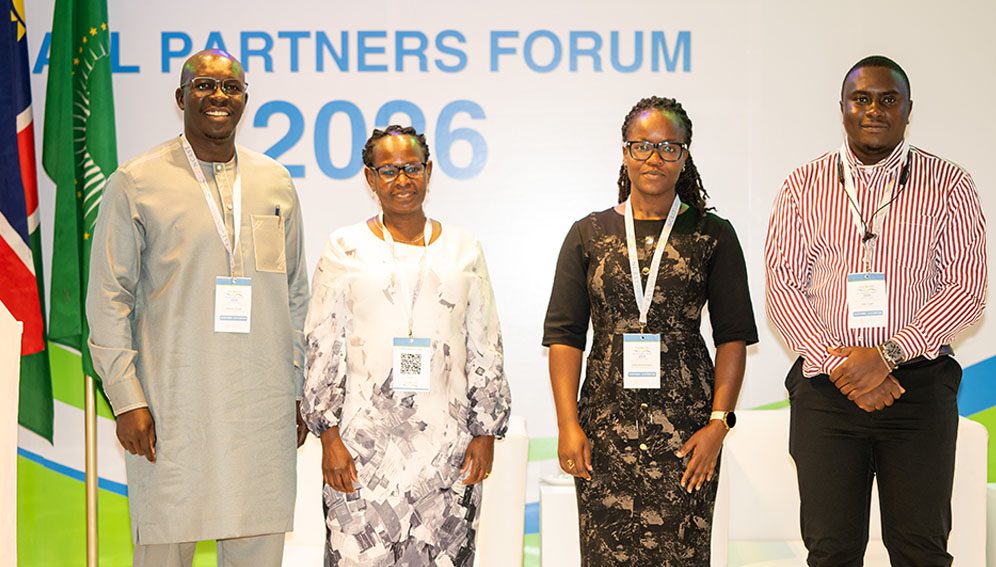
Voices from the SGCI Forum: Building an African-led science system
From calls for African-led research funding to stronger engagement with communities and governments, participants at the 2026 Science Granting Councils Initiative (SGCI) All Partners Forum left Windhoek with a shared sense that Africa’s science and innovation systems are entering a new phase. Held from 28…
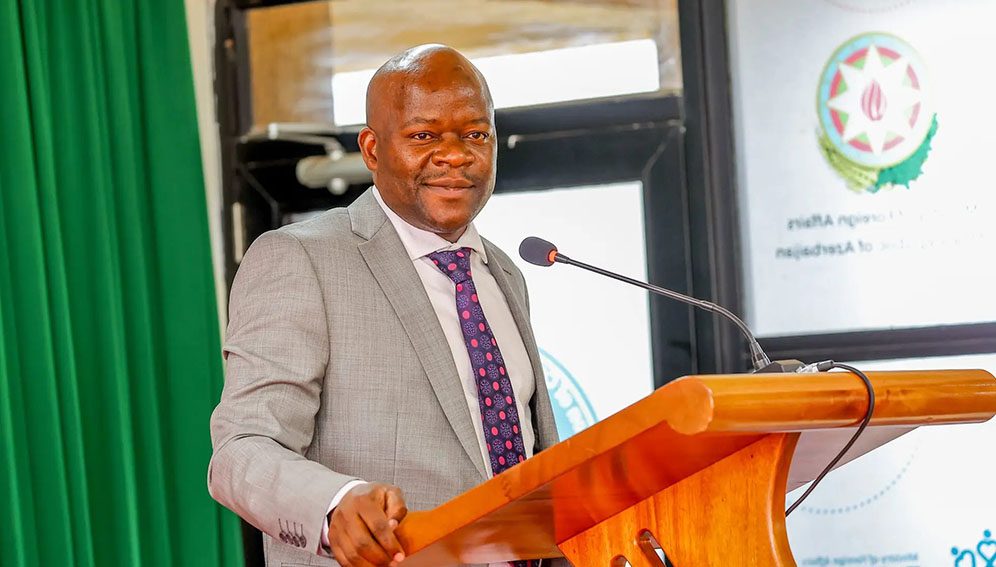
NRF champions science, climate action and youth empowerment
Kenya’s National Research Fund (NRF) is strengthening efforts to connect scientific research, innovation and youth participation with practical responses to climate and environmental challenges. NRF chief executive officer Dickson Andala represented the fund at the launch of the Climate Policy and Advocacy Training – Cohort…
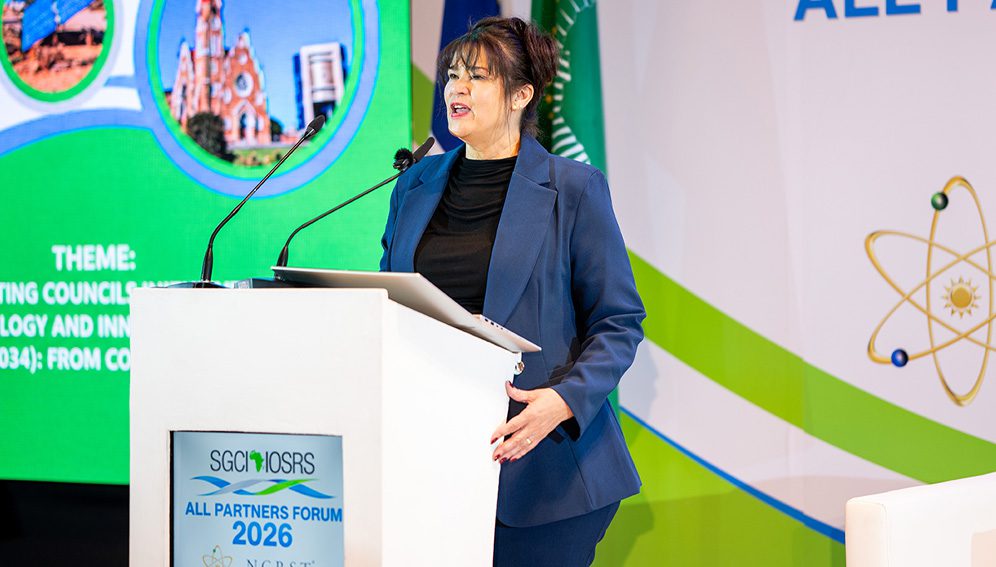
Windhoek Declaration: African science funders pledge to act as one
Science granting councils say Africa’s research systems need African ownership, steadier funding and less fragmentation. Here is what they agreed in Windhoek. African science granting councils adopted a collective declaration in Windhoek, Namibia, on 1 October 2026, as part of the Science Granting Councils Initiative…


SGCI funded projects

Rwanda’s integrated approach to sustainable agriculture and nutrition
Project Titles & Institution Areas of Research Number of Projects being funded Project Duration Grant Amount In-Kind Distribution Council Collaboration with other councils