
SGCI News
The Tertiary Education Trust Fund (TETFund) and Innov8 Hub have concluded the Science Granting Councils Initiative (SGCI) Demo Day, an event that highlighted Nigeria’s growing capacity to transform academic research…
The Tertiary Education Trust Fund (TETFund) and Innov8 Hub have concluded the Science Granting Councils Initiative (SGCI) Demo Day, an event that highlighted Nigeria’s growing capacity to transform academic research into market-ready solutions.
TETFund, Nigeria’s representative council for SGCI, partnered with Innov8 Hub to support researchers through comprehensive capacity-building to create an environment where innovation can flourish and address Nigeria’s most pressing challenges.
The event brought together researchers, innovators, and institutional stakeholders to celebrate the culmination of a one-year intensive capacity-building and product development program designed specifically for academics and researchers, particularly alumni from the Research for Impact (R4i) program.
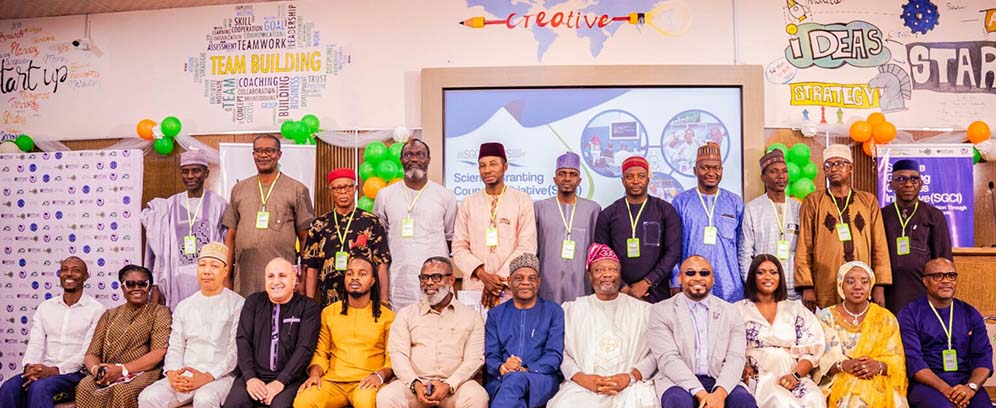
The program plays a crucial role in strengthening the national research and innovation ecosystem by implementing competitive funding schemes that stimulate high-impact research and innovation in tertiary institutions.
Showcasing solutions
The Demo Day provided a high-impact platform for participants to pitch their prototypes and early-stage innovations, each developed to address real-world problems across various sectors.
The solutions showcased spanned critical areas including healthcare, education, agriculture, and renewable energy, demonstrating a clear commitment to designing technologies that are viable, scalable, sustainable, and locally relevant.

Among the presentations were four innovative prototypes developed by 18 Nigerian lecturers who had secured a US$250,000 grant from the SGCI following their participation in the Research for Impact (R4i) initiative.
Divided into four teams and supported by Innov8 Hub’s technical specialists, these researchers showcased groundbreaking solutions.
Three of these four innovations were previously featured in the SGCI newsletter, showing their impact and the program’s success in converting research into commercially viable solutions.
I-Gel presented a reusable, multipurpose device that harvests atmospheric water, stores it, and releases it directly to plant roots, addressing critical agricultural water management challenges.
The Jollyfryer innovation is an innovative cooking solution featuring a heat exchanger and insulated chamber for more efficient frying processes.
A water purification innovation that seeks to eliminate waterborne pathogens without requiring electricity. A solution with significant potential to reduce health problems associated with contaminated water.
Airvolt showcased a budget-friendly wind turbine capable of generating electricity with impressive durability and extended operation capabilities.
Building innovation capacity
Participants presented their work to stakeholders from TETFund alongside other key stakeholders in Nigeria’s research and innovation ecosystem.
The one-year SGCI capacity-building journey has equipped researchers with the tools, mindset, and mentorship required to turn ideas into impactful innovations.
The program’s approach combines technical skills development with entrepreneurial training, ensuring participants are prepared for the realities of bringing innovations to market.
Please check out the stories and let us know what you think. We would love to hear from you!
Let’s continue the conversation on our social media
Published on 14 July 2025
Written by Jackie Opara
Related News
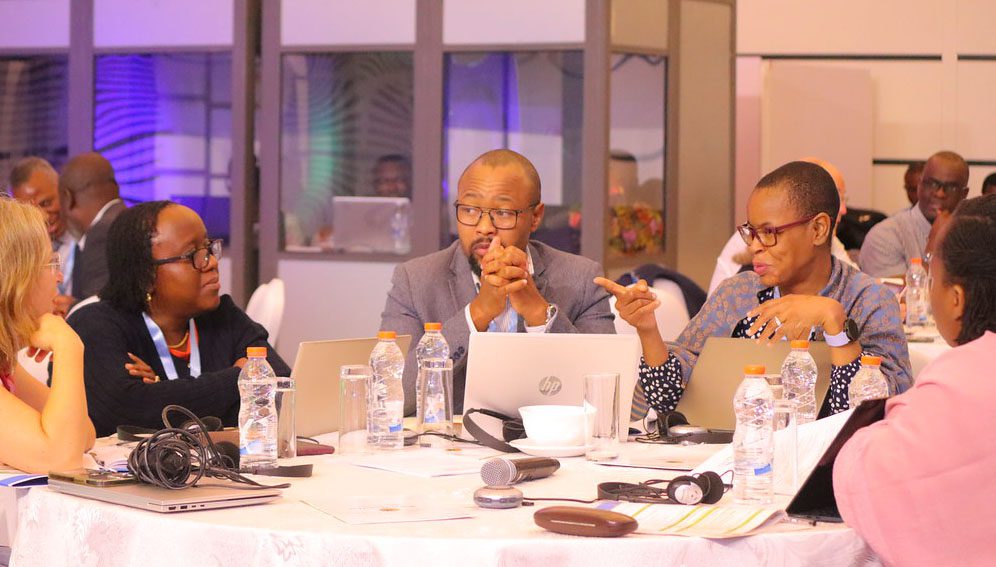
STISA-2034: Councils drive access to Africa’s research opportunity
For a continental research opportunity to deliver impact, researchers need to know whether they are eligible, understand how the opportunity fits their work, find the right partners, and navigate the application process. This is where Africa’s Science Granting Councils have a critical role to play….

How Africa’s STI partnerships and co-investment drive lasting impact
Science, technology, and innovation (STI) in Africa are critical to the continent’s future development and growth. From strengthening skills and institutions to applying science in industry, research goals are interconnected and build on one another. Under STISA-2034, no single institution, funder, or country can deliver…
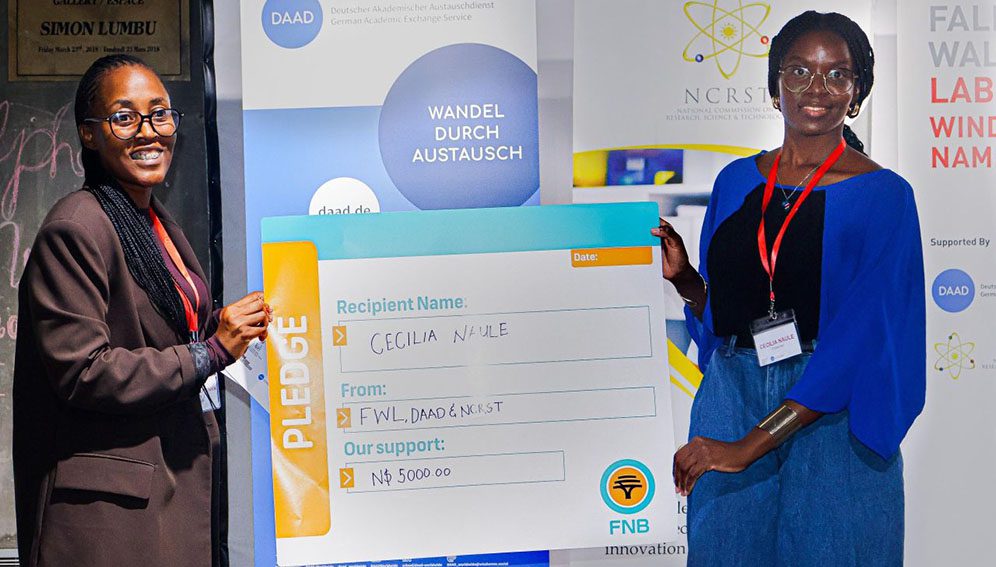
Namibia’s young innovators showcase solutions at Falling Walls Lab
Namibia’s young innovators are developing practical solutions to some of the country’s pressing challenges, from improving mobility for people with visual impairments to finding ways of storing solar energy for use when sunlight is unavailable. These ideas were showcased at the Falling Walls Lab Namibia…
Research and Resources

SGCI funded projects

Rwanda’s integrated approach to sustainable agriculture and nutrition
Project Titles & Institution Areas of Research Number of Projects being funded Project Duration Grant Amount In-Kind Distribution Council Collaboration with other councils