
SGCI News
Africa’s space sector, while valued at US$22.64 billion in 2024, is still in its early stages—but scientists say it holds significant promise for addressing some of the continent’s development issues….
Africa’s space sector, while valued at US$22.64 billion in 2024, is still in its early stages—but scientists say it holds significant promise for addressing some of the continent’s development issues.
In this episode of Africa Science Focus, reporter Michael Kaloki explores how space research and innovation are being used across the continent.
Mary Makuate, a researcher at Cameroon’s Ministry of Scientific Research and Innovation, shares insights from her experience using satellite data to develop digital maps for the humanitarian response to the 2023 earthquake in Morocco.
Susan Murabana, CEO of The Travelling Telescope Africa Ltd, talks about her efforts to bring astronomy to underserved Kenyan communities.
Her mobile telescope initiative introduces students and local residents to space, aiming to spark interest in science and technology.
And Daniel Okoh, a research scientist at Nigeria’s National Space Research and Development Agency, says Africa must strengthen its own space capabilities.
He tells us how global satellite models often underrepresent the continent, due to a lack of accurate local data, and calls for greater investment in homegrown technologies.
————————————————————————————————————
This podcast was supported by the Science Granting Councils Initiative which aims to strengthen the institutional capacities of 18 public science funding agencies in Sub-Saharan Africa.
Do you have any comments, questions or feedback about our podcast episodes? Let us know at podcast@scidev.net
Africa Science Focus is produced by SciDev.Net and distributed in association with your local radio station.
Related News
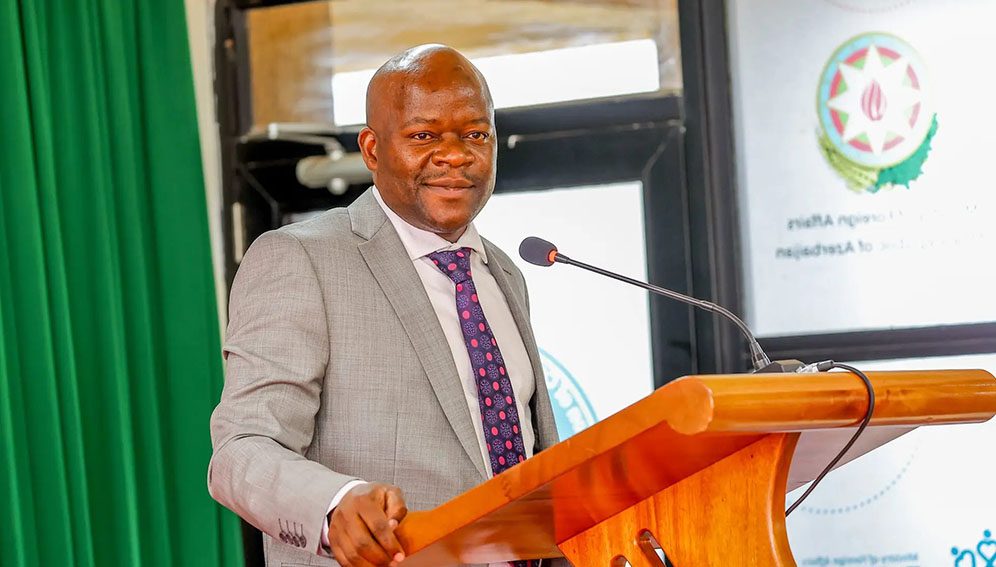
NRF champions science, climate action and youth empowerment
Kenya’s National Research Fund (NRF) is strengthening efforts to connect scientific research, innovation and youth participation with practical responses to climate and environmental challenges. NRF chief executive officer Dickson Andala represented the fund at the launch of the Climate Policy and Advocacy Training – Cohort…
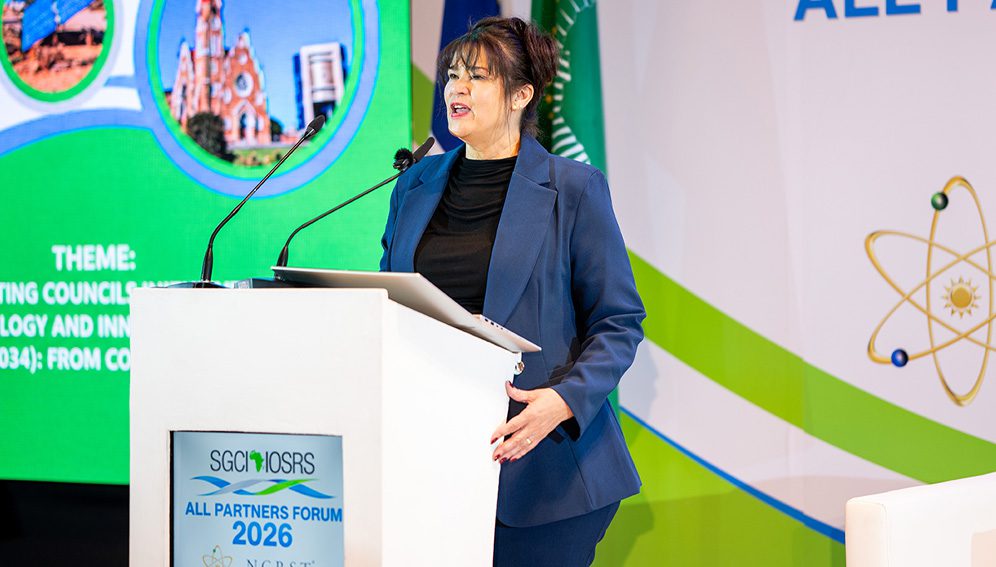
Windhoek Declaration: African science funders pledge to act as one
Science granting councils say Africa’s research systems need African ownership, steadier funding and less fragmentation. Here is what they agreed in Windhoek. African science granting councils adopted a collective declaration in Windhoek, Namibia, on 1 October 2026, as part of the Science Granting Councils Initiative…
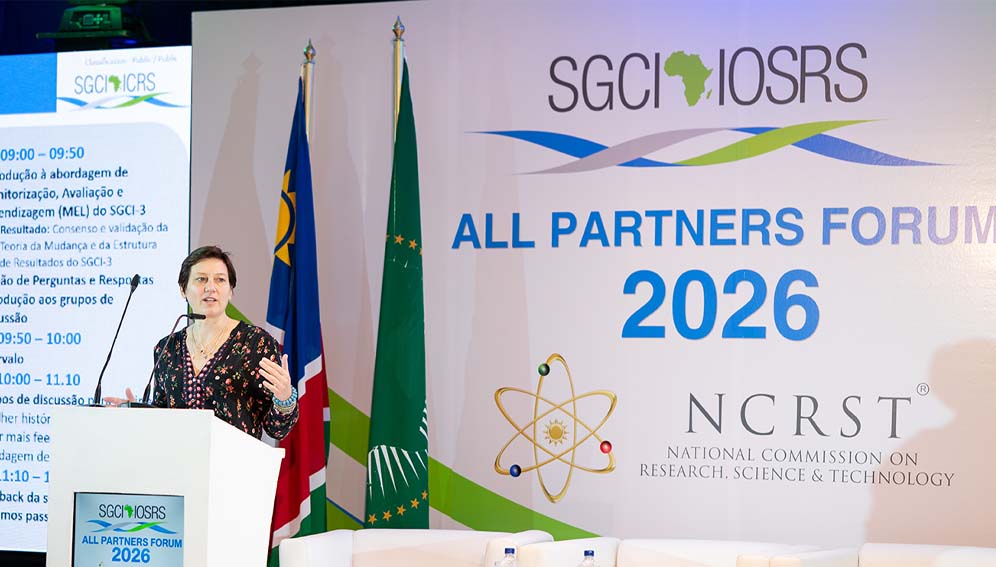
Africa’s science councils urged to turn pledges into real impact
[NAMIBIA] African countries must strengthen collaboration, invest in research and scientists, and take greater ownership of science, technology and innovation if research is to deliver lasting development impact, participants at the 2026 Science Granting Councils Initiative (SGCI) All Partners Forum have said. The call came…


SGCI funded projects
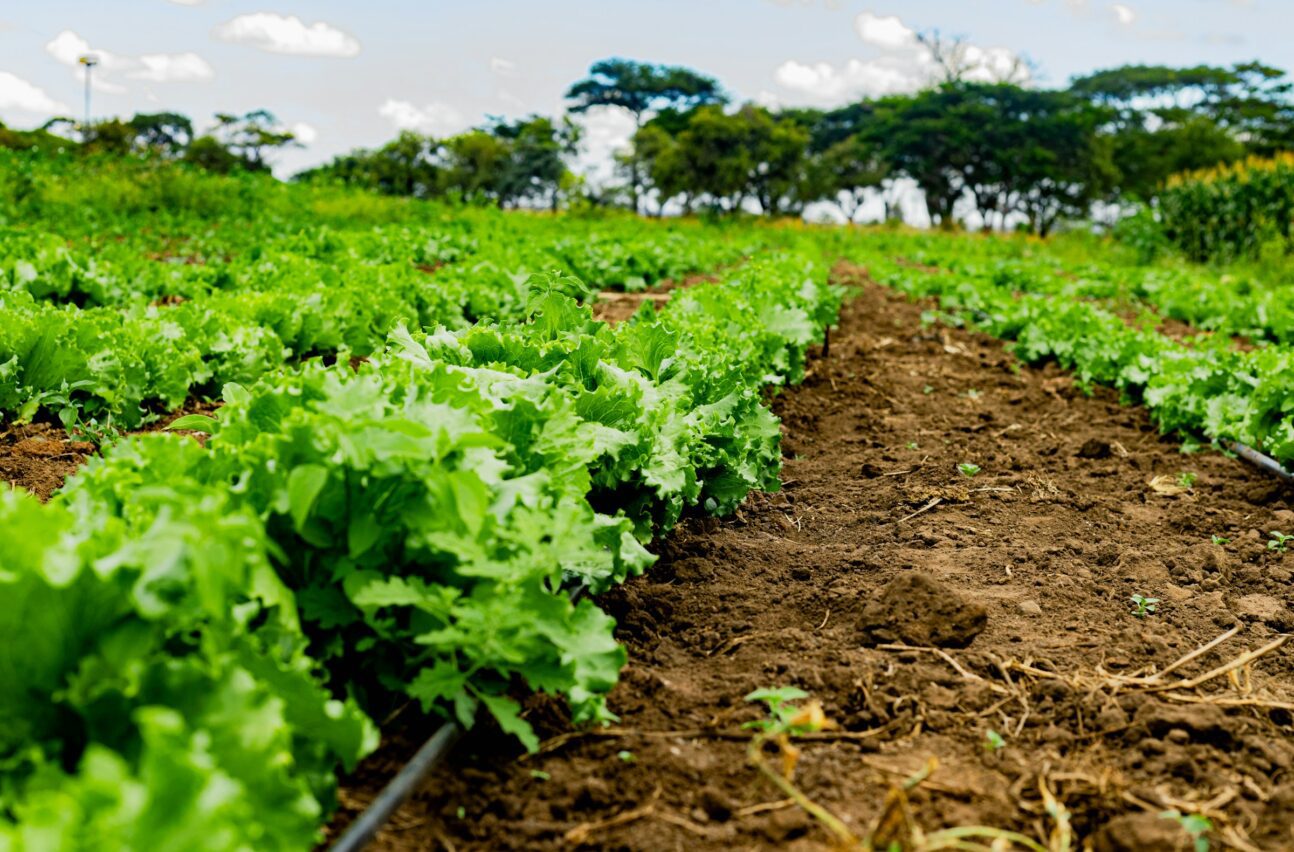
Rwanda’s integrated approach to sustainable agriculture and nutrition
Project Titles & Institution Areas of Research Number of Projects being funded Project Duration Grant Amount In-Kind Distribution Council Collaboration with other councils