
SGCI News
[NAIROBI] For many years, Sammy Ndungu, a smallholder farmer in Kiambu, central Kenya, struggled with low yields due to reliance on rain-fed agriculture. His vegetables, including spinach and African nightshade,…
- Climate-smart tech helps Kenya’s farmers grow indigenous crops
- Crops such as African nightshade are rich in nutrients and resilient
- Solar dryers extend shelf life, opening up international markets
[NAIROBI] For many years, Sammy Ndungu, a smallholder farmer in Kiambu, central Kenya, struggled with low yields due to reliance on rain-fed agriculture.
His vegetables, including spinach and African nightshade, often dried up during droughts.
But in 2024, things took a brighter turn as researchers from Jomo Kenyatta University of Agriculture and Technology (JKUAT) introduced an initiative to promote sustainable production and commercialisation of indigenous vegetables.
“In the past, I poorly prepared my nurseries and started encountering losses right from transplanting,” recalls Ndungu.
However, this changed when researchers visited his community to train smallholders in the preparation of nurseries, application of organic fertiliser and crop management.
“This is the knowledge I was missing,” says Ndungu.
“With the seeds they gave me and crop management training, I realised a bumper harvest.”
Ndungu says he used to harvest 200kg of vegetables from a quarter-acre every two weeks, but now achieves the same yield four times a month.
“And when the market is ready, we know where to take [the produce] once we harvest, reducing losses as vegetables are very perishable,” he adds.
Climate-smart tech
The training was part of the Upscaling African Indigenous Vegetables Climate Smart Technologies for Food and Nutrition Security in Kenya project.
Launched in 2023, the initiative targets farmers in Kakamega and Kiambu counties, promoting African nightshade and jute mallow cultivation using climate-smart technologies and registered seed varieties.
Funded by the Science Granting Councils Initiative through Kenya’s National Research Fund, the project is led by JKUAT in partnership with Masinde Muliro University of Science and Technology and the Inter Region Economic Network (IREN) Growthpad, an export company.
The researchers aimed to improve food and nutrition security, under threat from climate change, by promoting the sustainable production, commercialisation, and utilisation of African indigenous vegetables.
“The African nightshade and jute mallow are among other African indigenous vegetables that have great potential in providing an alternative climate-resilient food source in Kenya and beyond,” said Mary Abukutsa, the project’s lead from JKUAT.
Economic benefits
Abukutsa, a professor of horticulture and deputy vice-chancellor, for research production and extension at JKUAT, says she wanted to equip farmers with climate-smart solutions and verified knowledge to help them scale up African indigenous vegetable production.
She says if smallholder farmers engage in the process, indigenous vegetables can offer economic and nutritional benefits.
“I realised that African indigenous vegetables had not been fully exploited for sustainable development in Kenya and Africa,” she said.
“I realised a great need to strategically reposition African indigenous vegetables in the horticulture sector, which has been underutilised for many years.”
The project has trained 200 farmers and distributed 200 seed packets to support commercial production of indigenous vegetables.
Farmers were introduced to high-nutrient organic frass fertiliser, produced from kitchen, market, and animal waste, using black soldier fly larvae.
They were also linked to buyers, including private companies, schools, hospitals, and restaurants.
Micronutrients
Compared to exotic vegetables, Abukutsa notes that African nightshade and jute mallow have a competitive advantage due to their high micronutrient content, including calcium, iron, phosphorus, vitamin A, and vitamin C.
“They contain high antioxidant activities that scavenge for radicals in the body and make the body less predisposed to degenerative diseases like cancer, heart diseases, and diabetes,” she explained.
She says the seeds used in the project are climate-resilient, adapted to the tropical environment, and capable of withstanding stress from things like adverse weather and insects.
These crops mature in four to six weeks and can be dried and stored for use during times of scarcity.
Solar dryers
To extend the vegetables’ shelf life, the project employs climate-smart technologies such as solar dryers and charcoal coolers.
“The dryers give the vegetables longer shelf-life, especially for commercial purposes,” said James Shikwati, director of IREN Growthpad, which exports African indigenous vegetables mainly to the US and the Middle East.
Shikwati observed that the growing Kenyan diaspora has fueled international demand for African indigenous vegetables.
Through the project, his company has increased exports to the US and is now exploring African and local markets.
“We have learned that Nigerians, Zimbabweans, Tanzanians, Ugandans, and South Africans appreciate these vegetables a lot,” he said.
“What we are working on is correct labeling, as the names vary from one country to another.”
Despite these gains, Ndungu highlighted a major challenge: limited access to quality seeds.
“The biggest challenge we have is accessing such seeds … we usually don’t know where to get them,” he said.
‘Guaranteed to sell’
Pamela Waundo, sub-county agricultural officer of Mumias in Kakamega county, praised the project for strengthening the agricultural value chain by supporting farmers in cultivating climate-smart varieties and linking them to markets.
“Through value addition, farmers are now guaranteed to sell,” said Waundo.
“They get money, and this improves livelihoods, especially in rural areas.”
She called for greater land ownership for women, who predominantly cultivate vegetables but often face competition for land from men prioritising crops such as maize and sugarcane.
Continued farmer training and support is needed for sustainable production of African indigenous vegetables, said Waundo, adding: “We should move away from just planting vegetables at subsistence level and change it to business.”
This piece was written by Gilbert Nakweya.
Related News
Councils urged to take ownership of SGCI-3 as forum turns to systems
[NAMIBIA]Science Granting Councils have been urged to take greater ownership of the third phase of the Science Granting Councils Initiative (SGCI-3), as partners turned their attention to the institutional systems and partnerships needed to translate the initiative’s ambitions into results. The call came during Day…
SGCI All Partners Forum highlights Africa’s research funding needs
[NAMIBIA] African science granting councils are examining their reliance on international research funding as a new dashboard reveals the flow of science, technology and innovation (STI) funding into Africa. More than 170 delegates from across the world are attending the 2026 Science Granting Councils Initiative…
](https://sgciafrica.org/wp-content/uploads/2026/09/Windhoek.jpg)
Namibia’s role in advancing Africa’s science, technology, and innovation agenda
From commitment to action – Namibia and the SGCI All Partners Forum 2026 Namibia is an important player in African research, and from 28 September to 2 October 2026, the country will host the Science Granting Councils Initiative’s (SGCI) All Partners Forum in Windhoek. With…
Research and Resources

SGCI funded projects
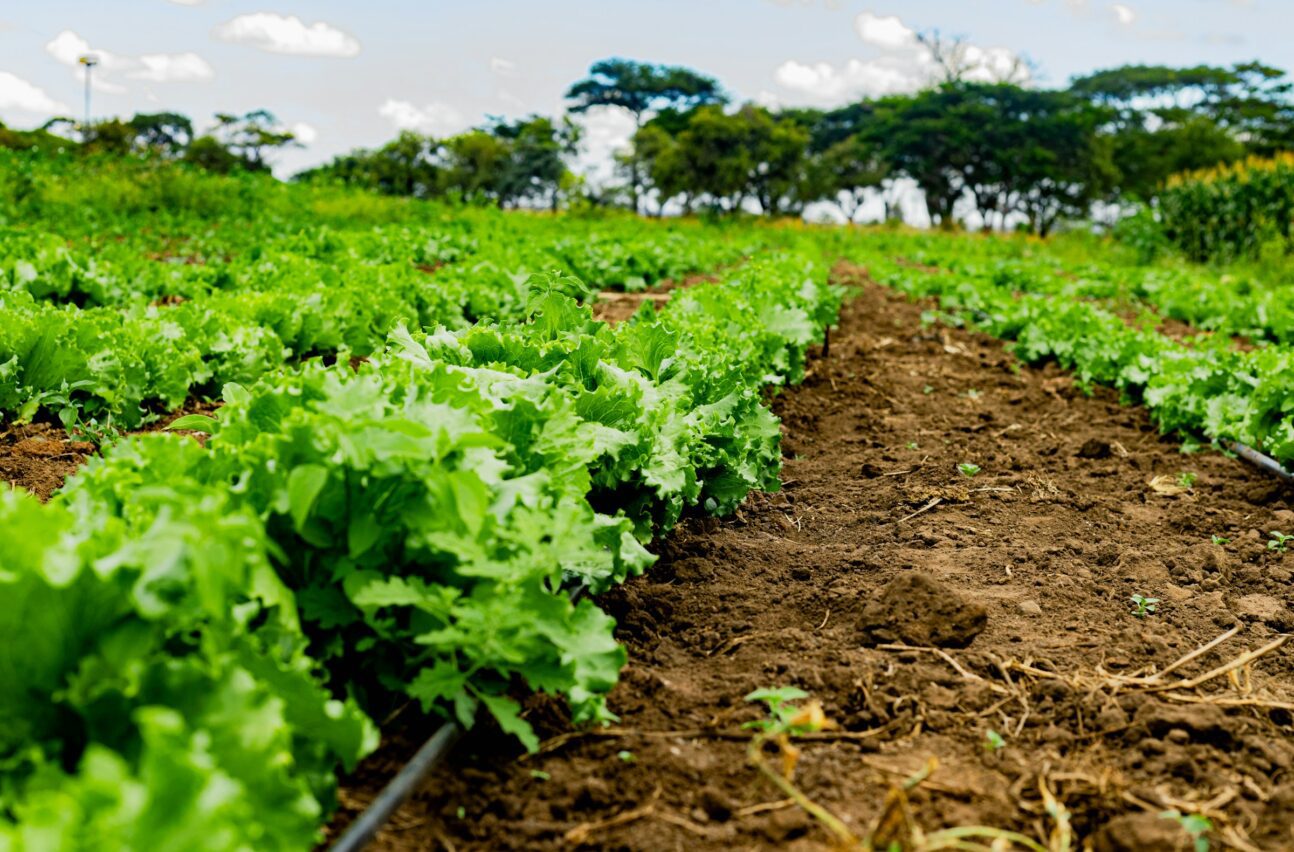
Rwanda’s integrated approach to sustainable agriculture and nutrition
Project Titles & Institution Areas of Research Number of Projects being funded Project Duration Grant Amount In-Kind Distribution Council Collaboration with other councils