SGCI News
Côte d’Ivoire has taken a significant step towards strengthening its scientific ecosystem, following a three-day capacity-building programme aimed at elevating research standards to the global stage. Held from March 23–25…
Côte d’Ivoire has taken a significant step towards strengthening its scientific ecosystem, following a three-day capacity-building programme aimed at elevating research standards to the global stage.
Held from March 23–25 in San Pedro, the training, led by the Fund for Science, Technology and Innovation (FONSTI) in collaboration with the Polytechnic University of San Pedro, brought together university leaders, researchers, doctoral students, and experts to build skills critical for high-impact research.
The training aims to position Ivorian research as a driver of socio-economic transformation.
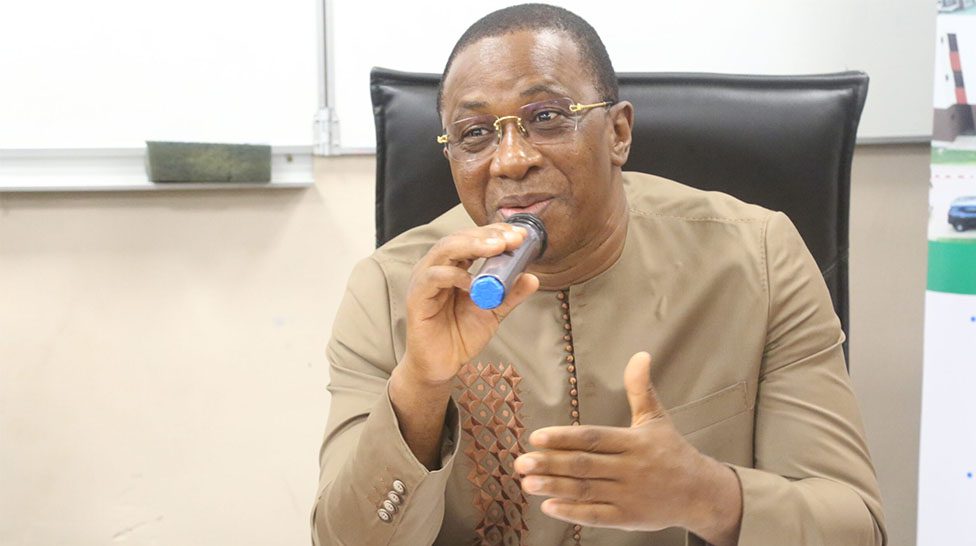
Setting the tone, FONSTI Secretary General, Yaya Sangaré, framed the initiative as more than an academic exercise, stressing its strategic importance for national development.
“Science must be at the heart of our sovereignty and our structural transformation,” he said, urging researchers to pursue rigorous and innovative work aligned with societal needs.
Building practical research skills
The workshops were structured around three core pillars designed to deliver practical, applicable skills.
Participants received training in research methodology, including ethical considerations, statistical analysis using tools such as SPSS and R, and reference management with EndNote. Sessions on project development focused on writing competitive proposals and navigating funding mechanisms, particularly those offered by FONSTI.
A third component on scientific communication equipped participants with tools to disseminate findings effectively, covering academic writing using the IMRAD structure, policy brief development, and impactful presentation techniques.
This integrated approach ensured that participants gained not only theoretical knowledge but also hands-on tools to strengthen their research outputs and competitiveness.
Driving collaboration and impact
President of the Polytechnic University of San Pedro, Méité Méké, described the initiative as “structuring”, highlighting its role in strengthening local research capacity and fostering collaboration.
At the closing ceremony, he called on participants to translate knowledge into tangible outcomes.
“The knowledge you have acquired must produce real impact. Research must not remain in storage, but actively contribute to the progress of our society,” he said.
Certificates awarded at the end of the programme marked participants’ readiness to meet international standards in publishing and research funding, signalling the emergence of a new cadre of globally competitive Ivorian researchers.
Advancing SGCI-supported capacity strengthening
The San Pedro workshops also build on FONSTI’s ongoing work under the Science Granting Councils Initiative (SGCI), which supports African research funders to strengthen their institutional and technical capacities. Through its participation in SGCI, FONSTI has been enhancing its approaches to research funding, capacity development, and knowledge translation.
The design and focus of the training, particularly on proposal development, research excellence, and communication for impact, reflect key priority areas promoted within SGCI.
By extending these efforts to researchers and institutions at the national level, FONSTI is translating SGCI-supported capacity gains into practical interventions that strengthen the broader research ecosystem in Côte d’Ivoire.
A catalyst for scientific development
Beyond the workshops, the initiative reflects FONSTI’s broader commitment to positioning research as a cornerstone of national development.
The programme has set in motion a renewed momentum towards a more connected, well-equipped, and impact-driven scientific community in Côte d’Ivoire.
Côte d’Ivoire is investing in its intellectual capital, strengthening its research systems, and laying the foundations for sustainable scientific sovereignty.
Please check out the stories and let us know what you think. We would love to hear from you!
Let’s continue the conversation on our social media
Published on 10 April 2026
Written by Jackie Opara-Fatoye
Related News
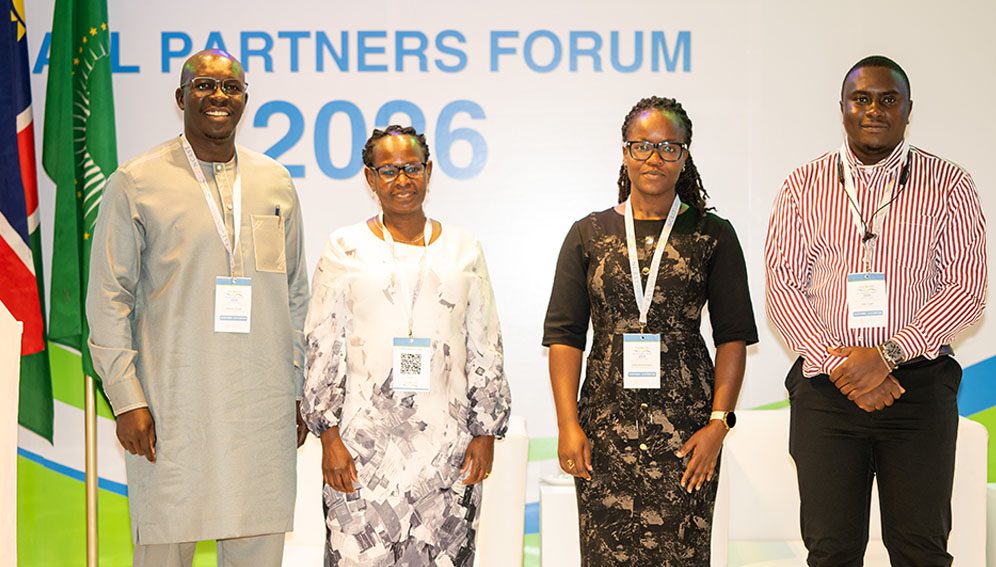
Voices from the SGCI Forum: Building an African-led science system
From calls for African-led research funding to stronger engagement with communities and governments, participants at the 2026 Science Granting Councils Initiative (SGCI) All Partners Forum left Windhoek with a shared sense that Africa’s science and innovation systems are entering a new phase. Held from 28…
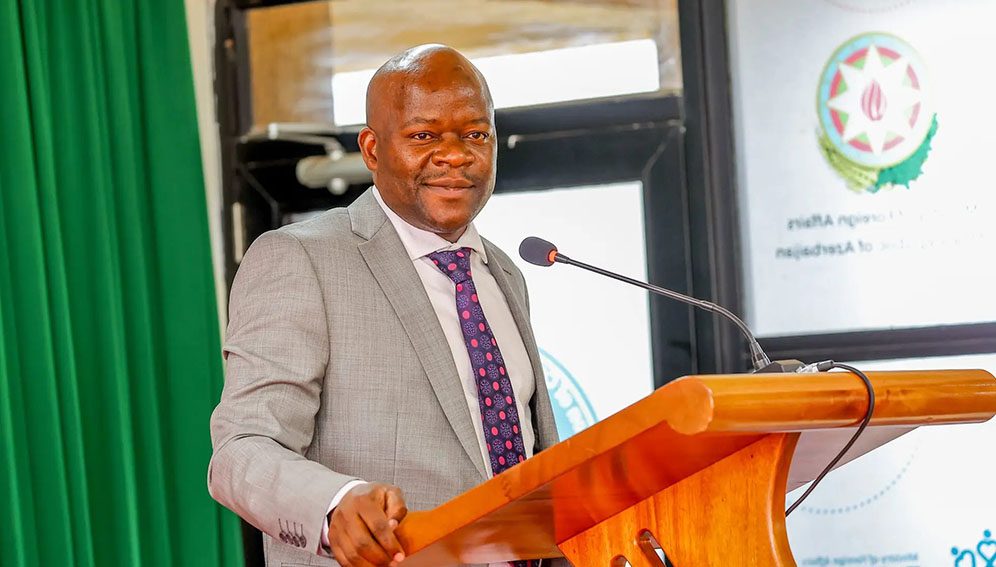
NRF champions science, climate action and youth empowerment
Kenya’s National Research Fund (NRF) is strengthening efforts to connect scientific research, innovation and youth participation with practical responses to climate and environmental challenges. NRF chief executive officer Dickson Andala represented the fund at the launch of the Climate Policy and Advocacy Training – Cohort…
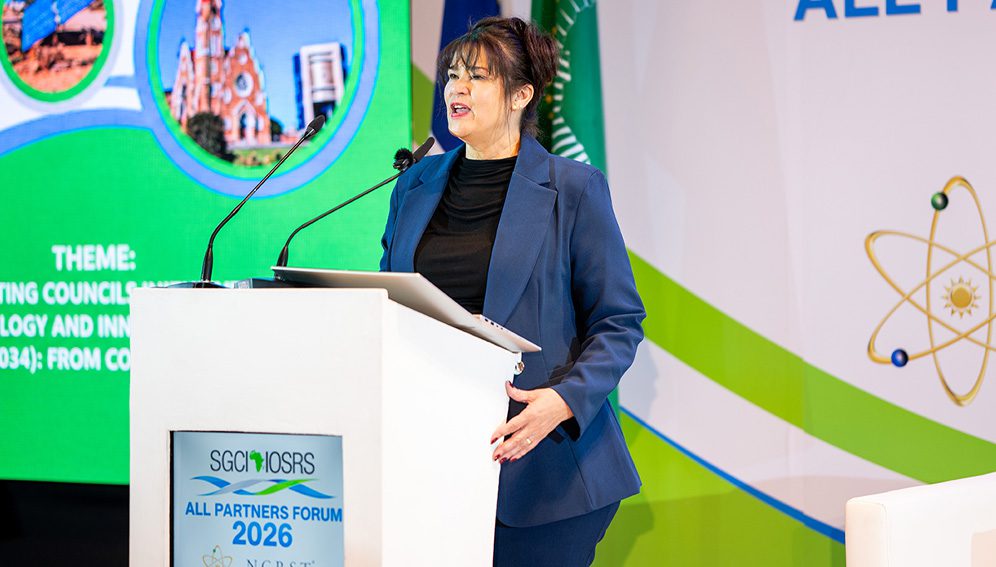
Windhoek Declaration: African science funders pledge to act as one
Science granting councils say Africa’s research systems need African ownership, steadier funding and less fragmentation. Here is what they agreed in Windhoek. African science granting councils adopted a collective declaration in Windhoek, Namibia, on 1 October 2026, as part of the Science Granting Councils Initiative…


SGCI funded projects
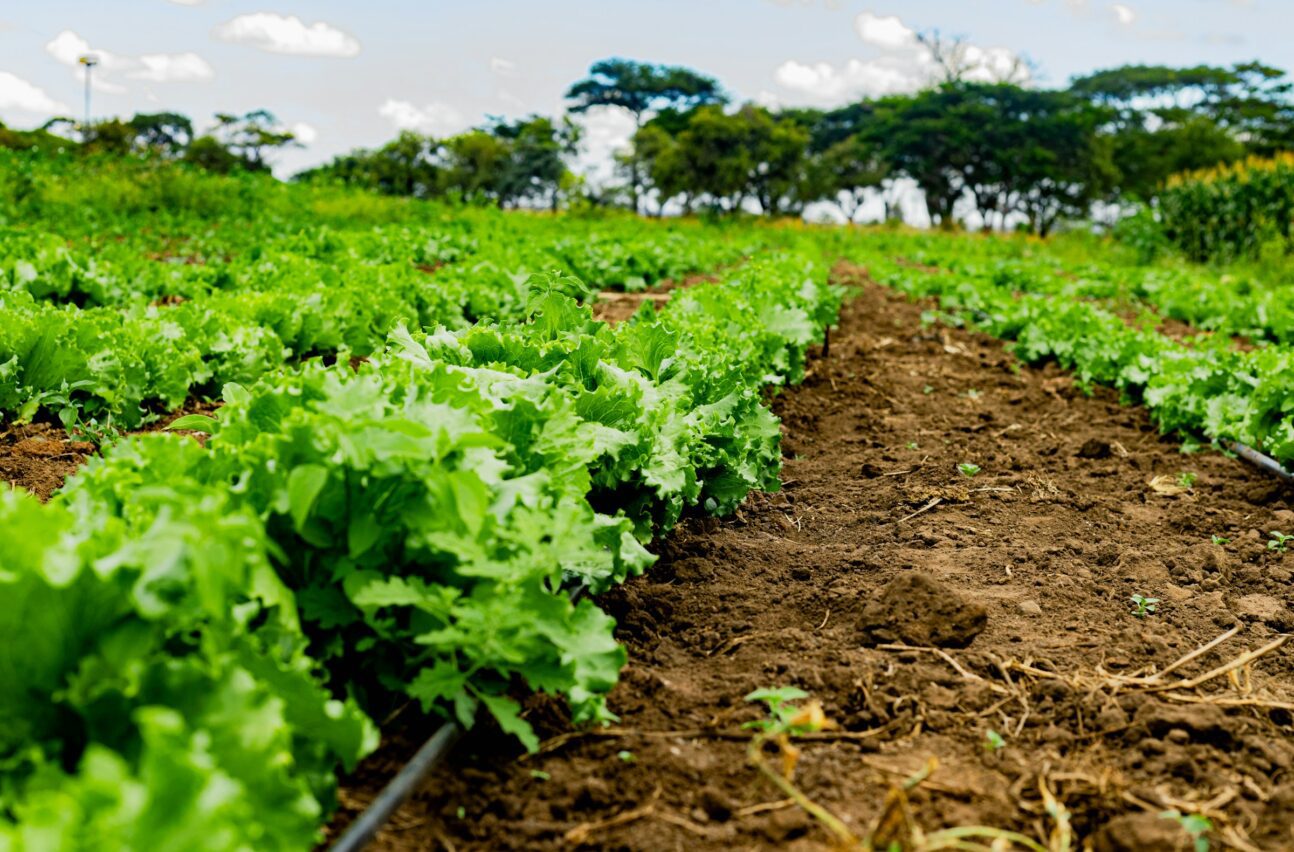
Rwanda’s integrated approach to sustainable agriculture and nutrition
Project Titles & Institution Areas of Research Number of Projects being funded Project Duration Grant Amount In-Kind Distribution Council Collaboration with other councils