SGCI News
Decisions about what gets funded, who receives grants, and which questions are considered worth asking shape the very nature of knowledge. And for too long, those decisions have reflected and…
Decisions about what gets funded, who receives grants, and which questions are considered worth asking shape the very nature of knowledge. And for too long, those decisions have reflected and reinforced deep inequalities, particularly for women, who make up only 30 per cent of researchers across Africa and remain underrepresented in leadership roles.
But a new framework, From Principles to Practice, developed under the Science Granting Councils Initiative’s Gender Equality and Inclusivity (SGCI-GEI) project and led by South Africa’s Human Sciences Research Council (HSRC), aims to change that.
Co-created with 13 African Science Granting Councils, the framework offers a comprehensive, actionable guide for public research funders ready to move beyond good intentions and into transformative practice.
Why this framework, and why now?
Gender disparities in African research run deep. Structural obstacles, unequal care burdens, sexual harassment, wage gaps, and insecure employment continue to push women out of research careers, especially at early stages. Meanwhile, research content itself often ignores gender: a review of over 1.6 million studies related to the Sustainable Development Goals found that only 21 per cent included sex and gender keywords, with the remainder described as “gender-blind” or “gender-sparse.”
The framework responds to these realities with both urgency and optimism. As one participant from Botswana’s Ministry of Tertiary Education, Research, Science and Technology put it simply: “The world needs science and science needs women.”
What the framework does
Structured around 12 interconnected domains, the framework covers the full grant-making cycle, from institutional strategy and funding priorities to proposal review, contracting, researcher capacity-building, and impact evaluation.
Unlike many existing efforts, which tend to focus on isolated stages of funding, the framework emphasises system-wide change. It combines global evidence with lessons drawn from African councils that have already begun testing more inclusive funding models.
Central to this approach is the recognition that equity must be built into every stage of funding. This includes aligning research priorities with national development goals, engaging communities and researchers in shaping funding agendas, strengthening institutional capacity, and ensuring that research outcomes deliver tangible benefits for underrepresented groups.
The framework also underscores the importance of long-term commitment, urging funders to move beyond short-term targets and address the structural barriers that continue to limit participation in science.
Surrounding these enablers are eight practical domains that trace the grant cycle from pre-award to project close-out, including how calls are designed and disseminated, how applicants are guided and supported, how proposals are reviewed fairly, and how research findings reach the communities that need them.
What makes it different
Several features set this framework apart from previous efforts in this space.
It is rooted in African realities. This resource was built from the ground up with councils in Botswana, Burkina Faso, Côte d’Ivoire, Ghana, Kenya, Malawi, Mozambique, Namibia, Senegal, Tanzania, Uganda, Zambia, and Zimbabwe. Their practical insights from Uganda’s “3G” approach to intersectionality (gender, geography, and generational exclusion) to Tanzania’s positive discrimination measures in postdoctoral funding are woven throughout.
The framework doesn’t treat gender as a standalone variable. It consistently asks funders to consider how gender interacts with race, disability, geography, career stage, and socioeconomic status, recognising that one-size-fits-all solutions often obscure the very inequalities they claim to address.
It is flexible and adaptable. Each domain includes concrete actions, real-world examples, reflection questions, and links to open-source tools. Councils can engage with the whole framework or focus on the domains most relevant to their current stage of work, making it accessible regardless of where an institution starts.
It addresses both research content and research systems. Embedding a gender lens isn’t only about who gets funded but also about ensuring that funded research asks better questions, uses more rigorous methods, and produces findings that benefit everyone. The framework addresses both dimensions.
Turning commitment into action
For councils ready to begin, the framework suggests some powerful entry points. These include developing shared definitions of key terms such as gender, equity, and intersectionality, because language shapes culture.
They also include making application processes more accessible by offering flexible timelines, multilingual support, and offline submission options. Another priority is diversifying proposal review committees to include equity experts and community voices. Councils are also encouraged to embed gender analysis requirements into grant agreements and to ensure that grantees are trained and supported to carry these out meaningfully.

Perhaps most importantly, the framework calls on funders to see themselves as more than gatekeepers. The Science Granting Councils are in a unique position to lead systemic change within their own institutions and across the broader cultures of research in which they operate.
The full framework is available for download here
Please check out the stories and let us know what you think. We would love to hear from you!
Let’s continue the conversation on our social media
Published on 2 April 2026
Written by Jackie Opara-Fatoye
Related News
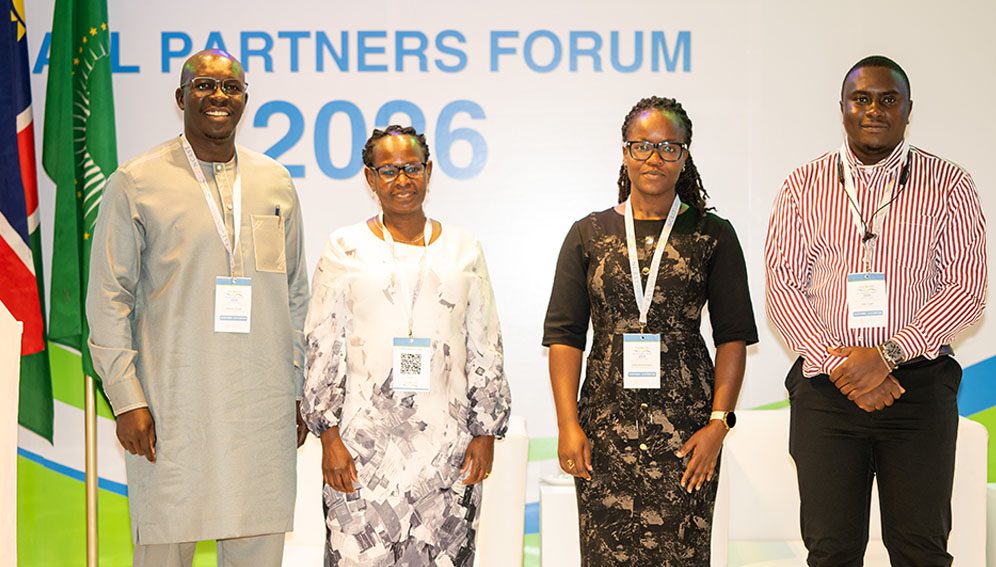
Voices from the SGCI Forum: Building an African-led science system
From calls for African-led research funding to stronger engagement with communities and governments, participants at the 2026 Science Granting Councils Initiative (SGCI) All Partners Forum left Windhoek with a shared sense that Africa’s science and innovation systems are entering a new phase. Held from 28…
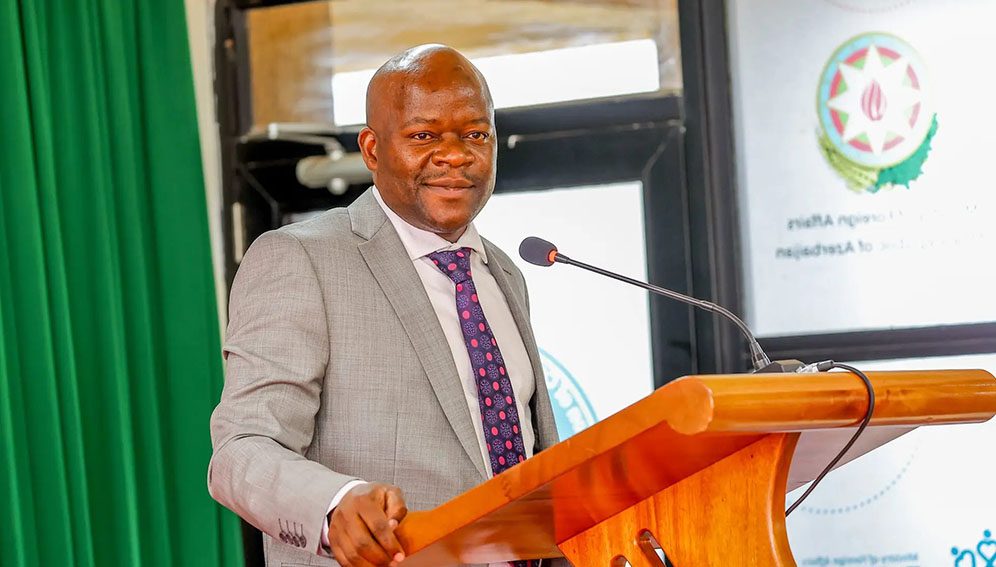
NRF champions science, climate action and youth empowerment
Kenya’s National Research Fund (NRF) is strengthening efforts to connect scientific research, innovation and youth participation with practical responses to climate and environmental challenges. NRF chief executive officer Dickson Andala represented the fund at the launch of the Climate Policy and Advocacy Training – Cohort…
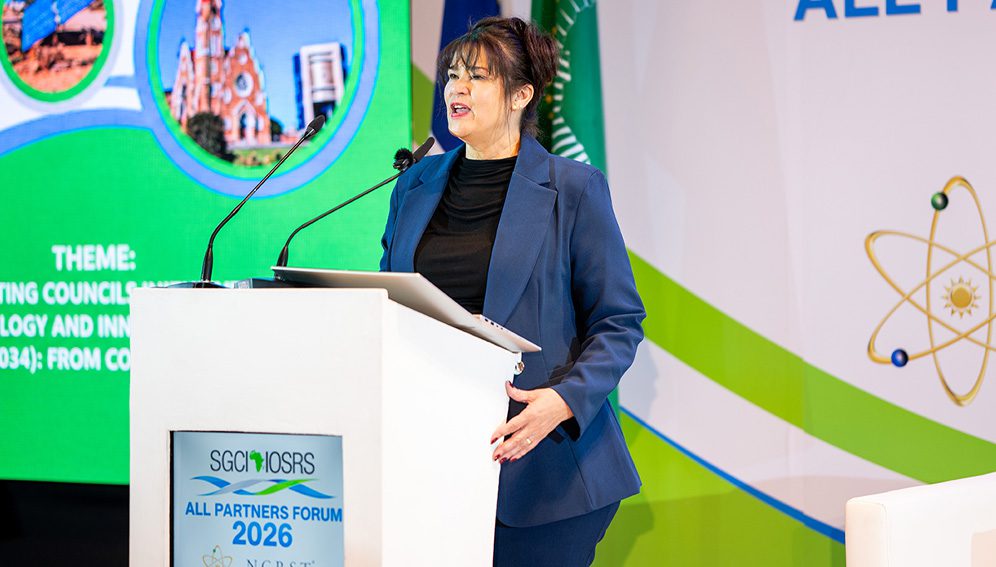
Windhoek Declaration: African science funders pledge to act as one
Science granting councils say Africa’s research systems need African ownership, steadier funding and less fragmentation. Here is what they agreed in Windhoek. African science granting councils adopted a collective declaration in Windhoek, Namibia, on 1 October 2026, as part of the Science Granting Councils Initiative…


SGCI funded projects

Rwanda’s integrated approach to sustainable agriculture and nutrition
Project Titles & Institution Areas of Research Number of Projects being funded Project Duration Grant Amount In-Kind Distribution Council Collaboration with other councils