
SGCI News
Only a quarter of PhD graduates in Uganda in the last ten years have been women Reforms are needed to encourage the inclusion of women in science, technology and innovation…
| Only a quarter of PhD graduates in Uganda in the last ten years have been women |
| Reforms are needed to encourage the inclusion of women in science, technology and innovation (STI) |
| Private investment in ITS financing must be encouraged |
[KAMPALA] According to one report, urgent action is needed to improve the inclusion of women and funding for science, technology and innovation (STI) research to accelerate Uganda’s transition to middle-income status.
The report, entitled Research findings in Uganda, was released on June 21 to coincide with the meeting of the Scientific Research Granting Agencies Initiative, which aims to strengthen the potential of public science funding agencies in sub-Saharan Africa.
The report highlights problems such as the gender gap in access to higher education and insufficient funding for STI.
” Between 2010 and 2020, less than a quarter (24%) of Ugandans who obtained a PhD were women “, according to the report.
He adds that science, technology, engineering and mathematics education in Uganda is dominated by men, and that this needs to change.
Decision-makers recognize that science and technology have a fundamental role to play in Uganda’s development.
Monica Musenero Masanza, Uganda’s Minister of Science, Technology and Innovation, who launched the report, said the country was committed to ensuring that research plays a leading role in the fight against poverty.
She called for systems to be put in place to ensure that research contributes to sustainable development.
” Publishing your research in a top scientific journal is not science [si cela ne profite pas aux nations] “, she felt.
” Science is supposed to help nations fight poverty and underdevelopment. “
” Anything that doesn’t contribute to achieving national and continental goals to eradicate poverty and fight underdevelopment doesn’t help us at all. “
“Accelerated reforms
Martin Ongol, Acting Executive Secretary of the Uganda Council for Science and Technology (UNCST), writes in the report, “STI education reform, inclusion of women, diversification of research funding options, utilization of research results by the private sector and mobilization of collaboration among researchers are some of the key factors that need to be fast-tracked.”
However, a number of initiatives designed to promote the inclusion of women in the world of research are also highlighted in this report.
In 2019, UNCST and the UK-based International Science and Policy Advocacy Network set up the Gender Equity in Research Alliance (GERA).
GERA has had non-governmental organization status since 2021, and currently has members in 70% of Uganda’s universities.
The report, which points to a number of challenges and solutions related to investment in STI research, adds that Uganda’s publicly-funded research budgets are still “largely overseen from abroad “.
” New direct and/or indirect research funding models need to be explored, to encourage private sector players to invest in research “, according to the report.This work was funded by the International Development Research Centre in Ottawa, Canada. The opinions expressed are not necessarily those of the Centre or its Board of Governors.
Related News
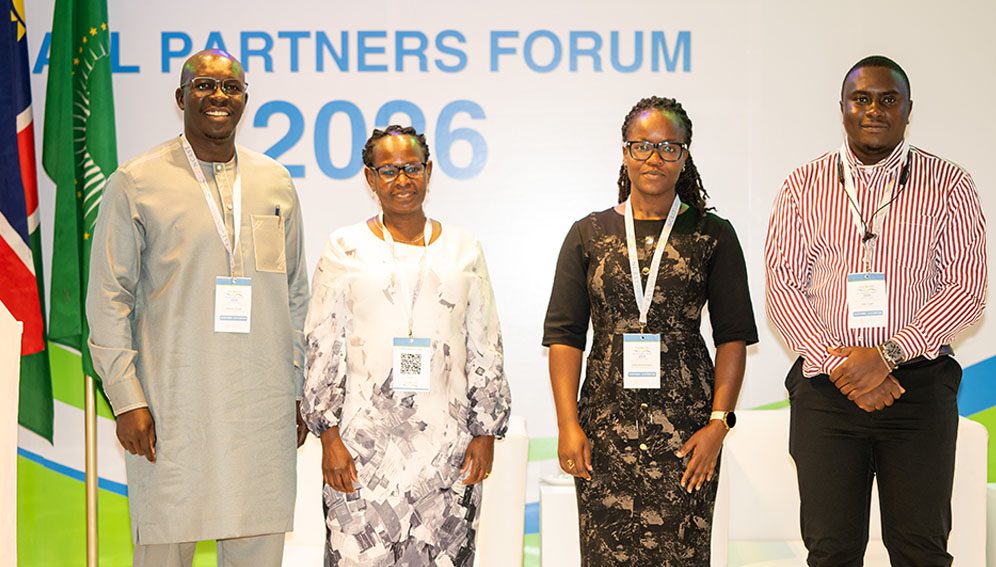
Voices from the SGCI Forum: Building an African-led science system
From calls for African-led research funding to stronger engagement with communities and governments, participants at the 2026 Science Granting Councils Initiative (SGCI) All Partners Forum left Windhoek with a shared sense that Africa’s science and innovation systems are entering a new phase. Held from 28…
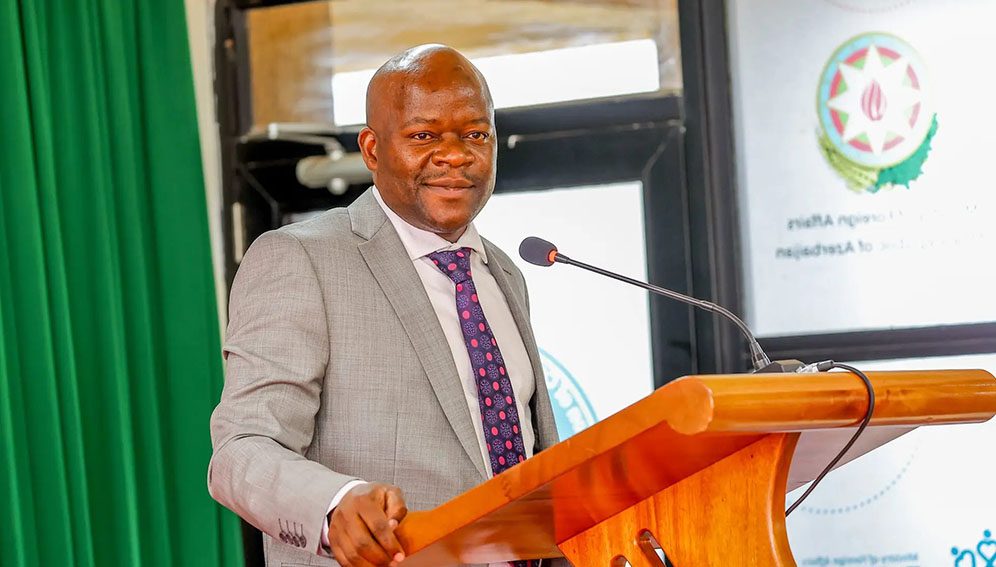
NRF champions science, climate action and youth empowerment
Kenya’s National Research Fund (NRF) is strengthening efforts to connect scientific research, innovation and youth participation with practical responses to climate and environmental challenges. NRF chief executive officer Dickson Andala represented the fund at the launch of the Climate Policy and Advocacy Training – Cohort…
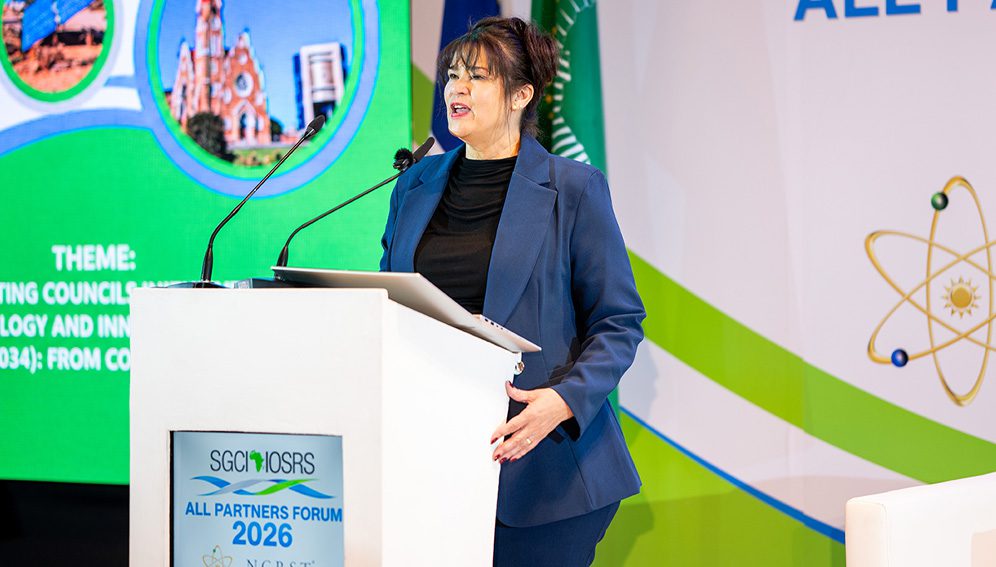
Windhoek Declaration: African science funders pledge to act as one
Science granting councils say Africa’s research systems need African ownership, steadier funding and less fragmentation. Here is what they agreed in Windhoek. African science granting councils adopted a collective declaration in Windhoek, Namibia, on 1 October 2026, as part of the Science Granting Councils Initiative…


SGCI funded projects

Rwanda’s integrated approach to sustainable agriculture and nutrition
Project Titles & Institution Areas of Research Number of Projects being funded Project Duration Grant Amount In-Kind Distribution Council Collaboration with other councils