
SGCI News
Equality-promoting funding policies “still in their infancy”, review finds Many national bodies disbursing African research funding grants are failing to address gender imbalances in their support, a review paper has…
Equality-promoting funding policies “still in their infancy”, review finds
Many national bodies disbursing African research funding grants are failing to address gender imbalances in their support, a review paper has found.
The paper, published in April in the journal Frontiers in Research Metrics and Analytics, assessed gender policies and practices across 15 African science-granting councils.
It found that while most had policies committing them to advancing women in science, few have implemented programmes to turn the policies into practice or to help women researchers overcome barriers.
This is resulting in “persistent inequalities” in who receives funding, the size of grants they receive, and the impact on knowledge production, the review states.
Male-dominated
The study team focused on the 15 members of the Science Granting Councils Initiative, a five-year initiative funded by the governments of the United Kingdom, Canada and South Africa to strengthen science-funding bodies on the continent.
This group covers: Botswana, Malawi, Mozambique, Namibia, Zambia and Zimbabwe in Southern Africa; Ethiopia, Kenya, Rwanda, Tanzania and Uganda in East Africa; and Burkina Faso, Côte d’Ivoire, Ghana and Senegal in West Africa.
Grant-making data from the 15 showed that almost two-thirds of research awards (62.8 per cent) went to men, and that men often received larger grants than women.
However, in-depth discussions with senior administrators from the councils showed that some past support programmes targeting women scholars had attracted a disappointingly low number of applicants. One administrator recalled a grant scheme for women that attracted only one applicant.
There was also a sense that requirements to include women on grants often turned into box-ticking exercises, rather than a move that truly supported women scholars. “They [applicants] feel that it is something they need to do to get the project,” a representative from a Kenyan granting body said.
Gaining traction
Some administrators attributed the imbalance among grant winners to culture. Women are expected to shoulder more caring roles in the home that may prevent them from advancing their research careers, they suggested.
Others pointed out that since culture is fluid, it’s important to understand the institutional and structural barriers that women face, to track the gender distribution of funding, and to encourage research that promotes gender equality in the wider community.
But while the study authors note that gender-related activities are “still in their infancy” in African science-granting councils, they are “gaining some traction”, they add.
Support mechanisms for women researchers in Africa need to do more to build up their confidence, the authors emphasise.
Source: Researchprofessionalnews
Related News
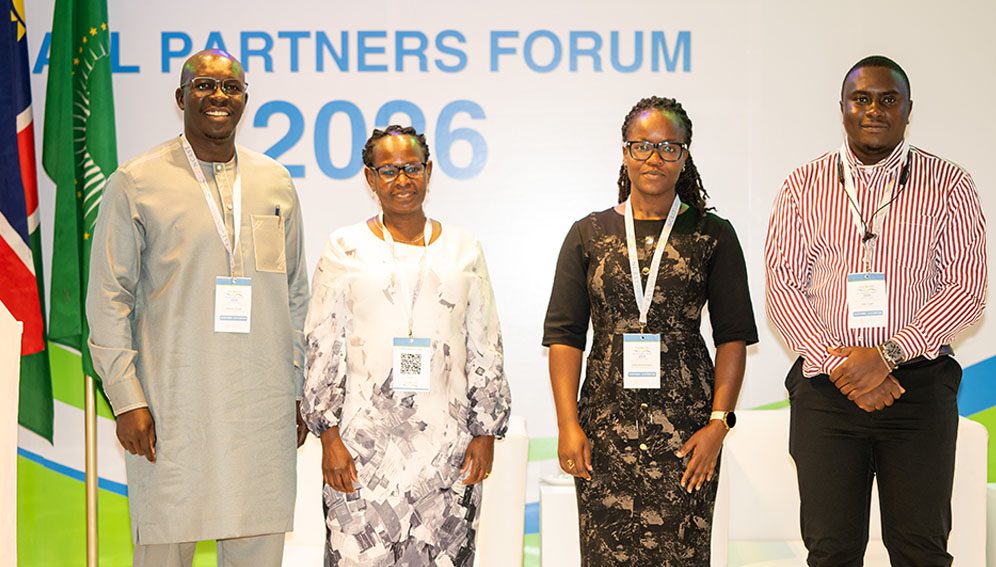
Voices from the SGCI Forum: Building an African-led science system
From calls for African-led research funding to stronger engagement with communities and governments, participants at the 2026 Science Granting Councils Initiative (SGCI) All Partners Forum left Windhoek with a shared sense that Africa’s science and innovation systems are entering a new phase. Held from 28…
NRF champions science, climate action and youth empowerment
Kenya’s National Research Fund (NRF) is strengthening efforts to connect scientific research, innovation and youth participation with practical responses to climate and environmental challenges. NRF chief executive officer Dickson Andala represented the fund at the launch of the Climate Policy and Advocacy Training – Cohort…
Windhoek Declaration: African science funders pledge to act as one
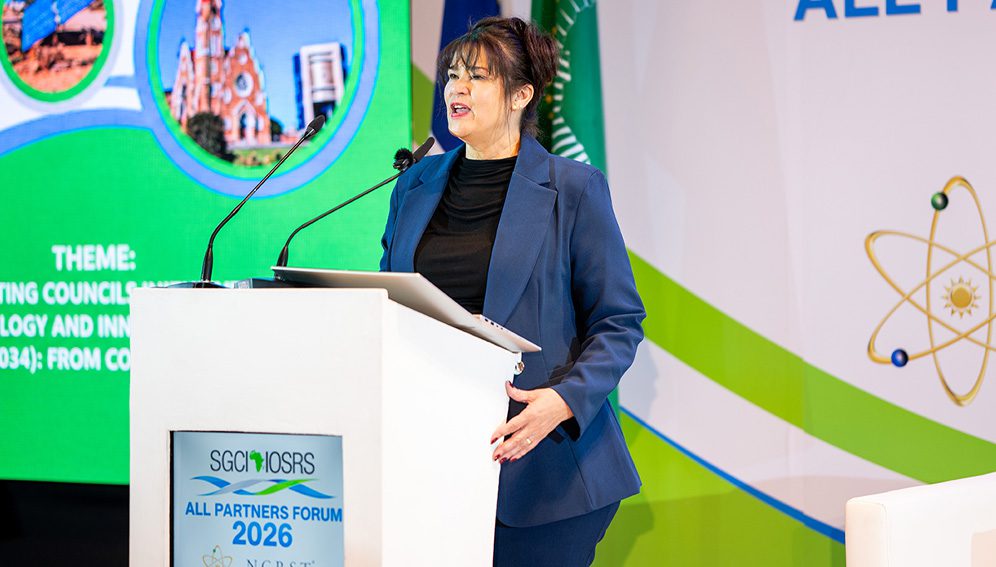
Science granting councils say Africa’s research systems need African ownership, steadier funding and less fragmentation. Here is what they agreed in Windhoek. African science granting councils adopted a collective declaration in Windhoek, Namibia, on 1 October 2026, as part of the Science Granting Councils Initiative…


SGCI funded projects
Rwanda’s integrated approach to sustainable agriculture and nutrition
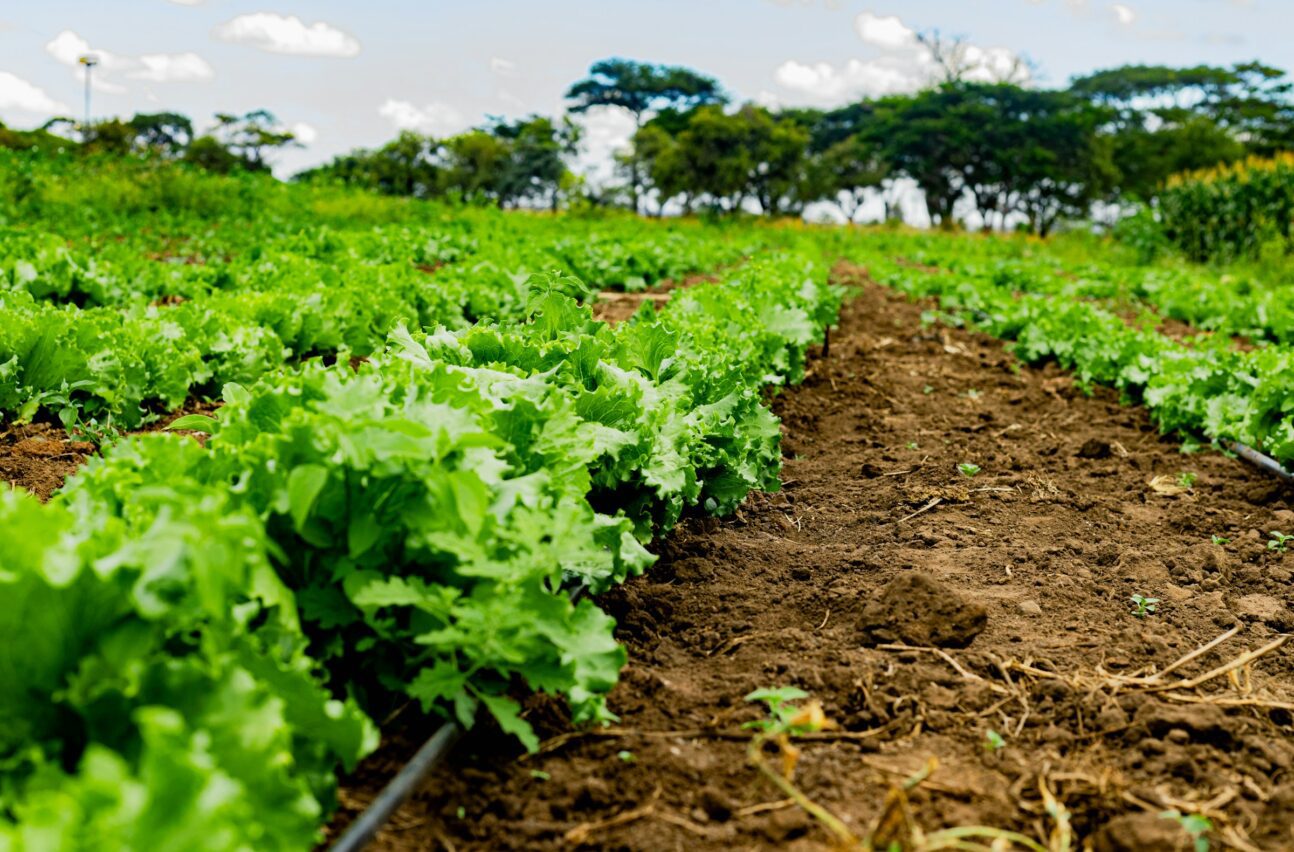
Project Titles & Institution Areas of Research Number of Projects being funded Project Duration Grant Amount In-Kind Distribution Council Collaboration with other councils