
SGCI News
Uganda’s latest research output figures highlight need to close gender gap 1. Inequalities evident in pay gaps between men and women 2. In Uganda, less than a third of researchers…
Uganda’s latest research output figures highlight need to close gender gap
| 1. | Inequalities evident in pay gaps between men and women |
| 2. | In Uganda, less than a third of researchers are women |
| 3. | Lack of legislation is helping maintain gender inequality |
[KAMPALA] Uganda has a smaller proportion of women researchers than the global average, according to a report by the country’s research agency.
The Ugandan National Council for Science and Technology, in its National Research Outlook Report, launched on 21 June, pointed out that only 28 per cent of Ugandan researchers are women, compared with a global average of 33 per cent, according to UN figures.
The figure is even lower in traditionally male-dominated fields, such as engineering and technology.
Between 2010 and 2020, less than a quarter of PhD graduates in Uganda were women, according to the report.
The figures bring to light the issue of gender inequality that prevails in scientific research in Africa, which is a topic that is high on the agenda of the Science Granting Councils Initiative (SGCI), a programme to build the capacity of science granting agencies in the continent.
The SGCI is supported by Canada‘s International Development Research Centre (IDRC) and five other funding organisations.
Policy failings
Diakalia Sanogo, senior program specialist for the IDRC’s regional office for Central and West Africa, based in Dakar, Senegal, has a clear idea of why gender inequality persists.
He argues that the lack of appropriate legislation and weak implementation of science and research funding policies have hindered efforts towards gender equality and inclusivity.
“Much was being done to make gender equality and inclusivity mainstream, especially in science, technology, and innovation, but gender transformation needs real solutions,” says the researcher.
Sanogo sees these inequalities as manifesting themselves in pay gaps, as well as in attitudes and behaviours.
“That is why we say it is important to get rid of negative behaviour by raising awareness through dialogue,” he adds.
Ingrid Lynch, principal investigator of the SGCI Gender and Inclusivity Project, believes these inequalities emerge early on in the education system.
She says one of the first places where girls are lost in STEM is at the primary school level.
“We have many policy responses trying to address this part of the leaky pipeline,” says Lynch, who also works at the Human Sciences Research Council in South Africa.
She said only a handful of countries have so-called continuation policies where girls are genuinely supported to fully access their education rights.
For example, she points out that in Sierra Leone, pregnant girls can remain in school for as long as they choose, and can return immediately after giving birth.
Equality roadmap
Steven Sebbale, a member of the Uganda National Council for Science and Technology, believes that finding the solution to gender inequality comes down to examining the structural, historical and contextual contradictions that perpetuate gender issues within the system.
As an example, he points to the geographical disparity between universities. Most research activity in public universities is concentrated in urban centres, leaving remote universities behind and the researchers who work in them lacking exposure to grant opportunities.
“We established a Gender Equity in Research Alliance, which essentially brought together these researchers from these different satellite universities and sat them around the table and heard their stories and then [we] were able to craft a roadmap of inclusive research granting, of education,” says Sebbale.
The aim, he explains, is to enable universities to develop gender policies and to “deconstruct some of those long-held nuances”.
This work was carried out with the aid of a grant from the International Development Research Centre, Ottawa, Canada. The views expressed herein do not necessarily represent those of IDRC or its Board of Governors.
Related News
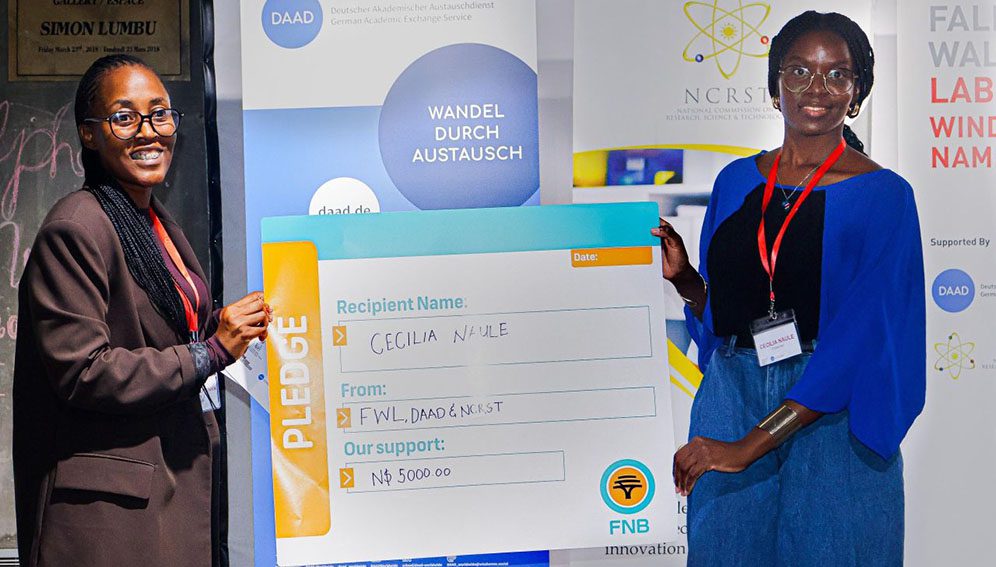
Namibia’s young innovators showcase solutions at Falling Walls Lab
Namibia’s young innovators are developing practical solutions to some of the country’s pressing challenges, from improving mobility for people with visual impairments to finding ways of storing solar energy for use when sunlight is unavailable. These ideas were showcased at the Falling Walls Lab Namibia…
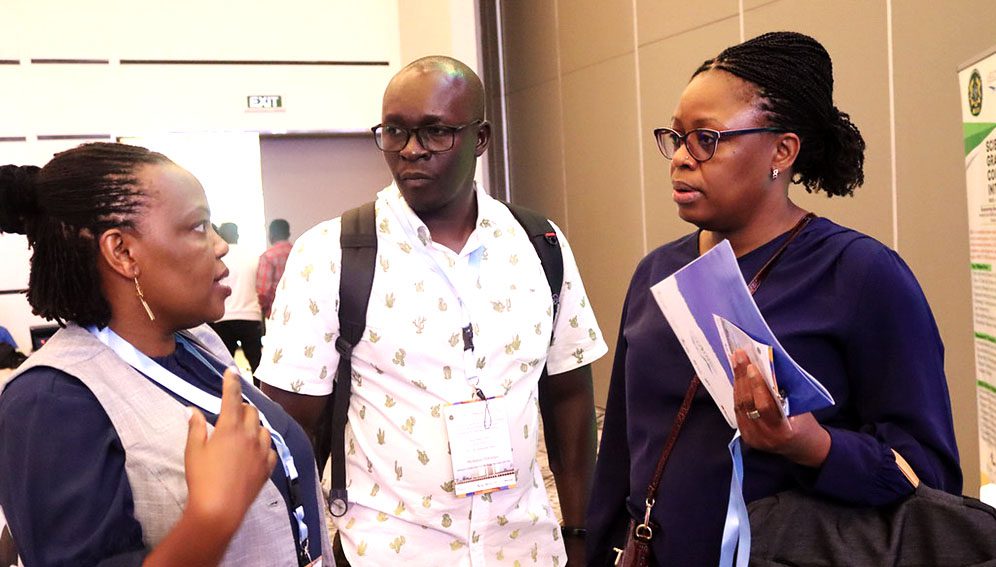
STISA-2034: One month left: Is your consortium ready?
With less than one month until the deadline, African researchers interested in the SGCI–STISA 2034 Multilateral Research Call should be moving from partnership-building to proposal preparation. The countdown has begun. Researchers and institutions have until 25 September 2026 at 23:59 EDT to submit expressions of…
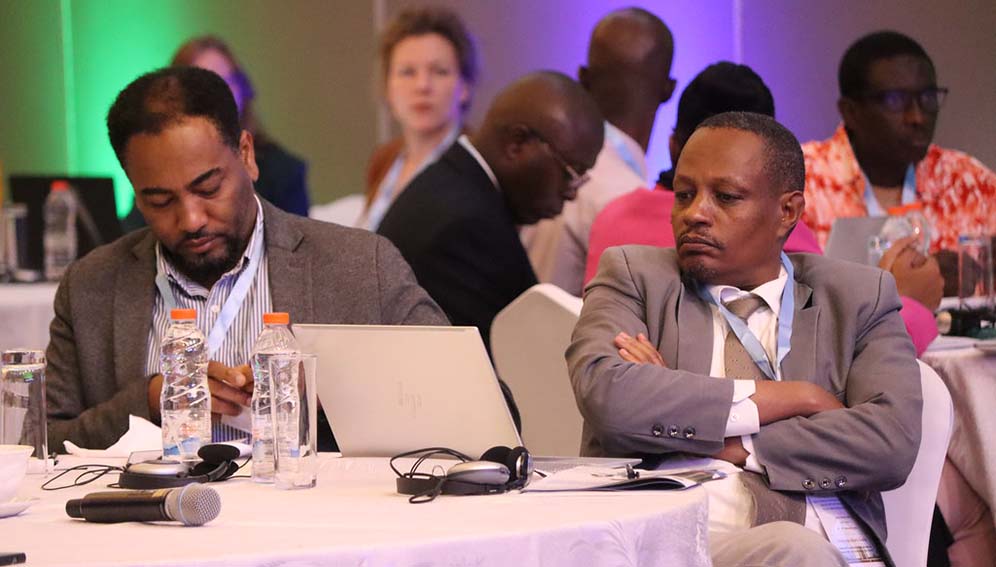
Ethiopia joins global AI body as national science systems expand
Ethiopia has joined 28 other countries in establishing a new international body to promote cooperation and governance in artificial intelligence (AI), highlighting the country’s growing focus on using science, technology and innovation to drive development. Ethiopia’s Minister of Innovation and Technology, Belete Mola, signed the…
Research and Resources

SGCI funded projects
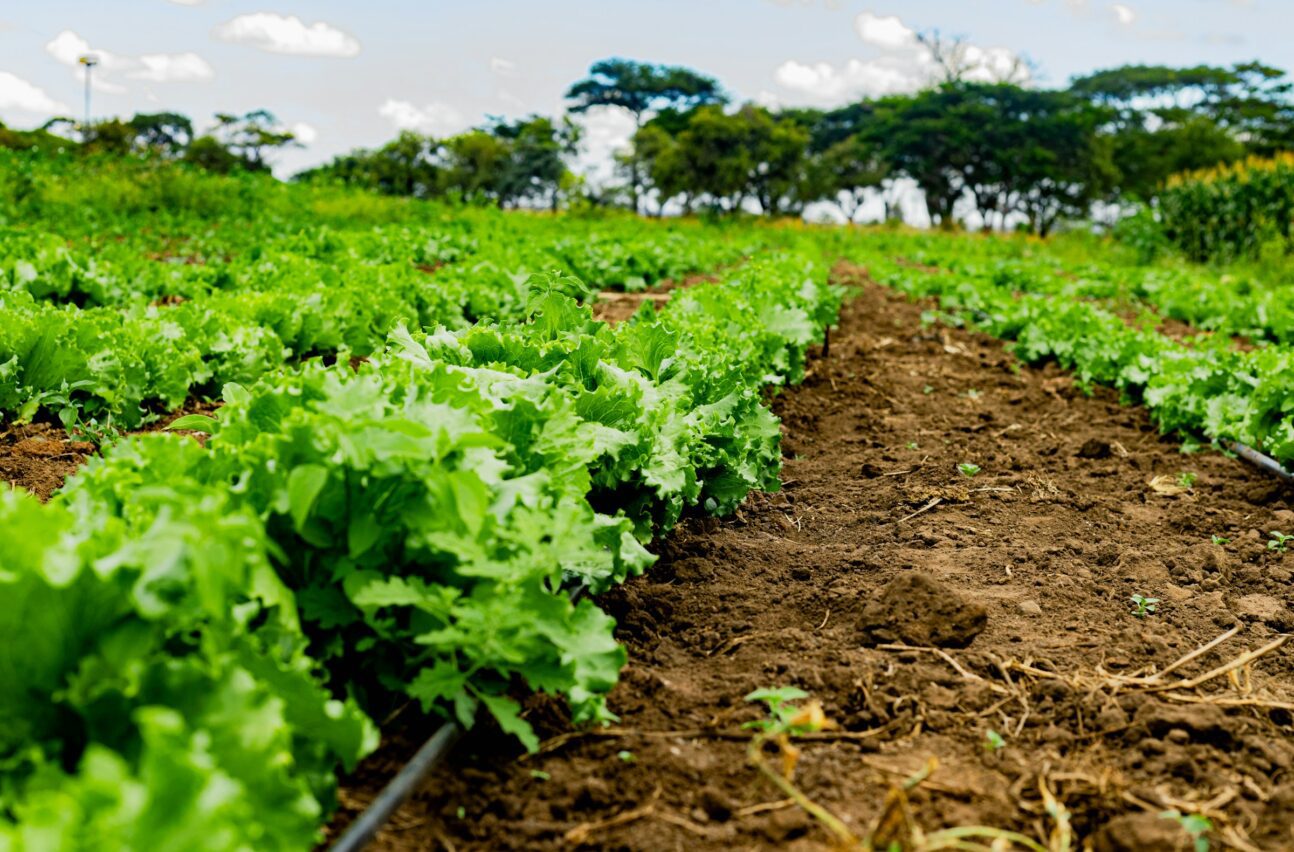
Rwanda’s integrated approach to sustainable agriculture and nutrition
Project Titles & Institution Areas of Research Number of Projects being funded Project Duration Grant Amount In-Kind Distribution Council Collaboration with other councils