
Uganda
Science Granting Council
Summary
The Uganda National Council for Science and Technology (UNCST) promotes and coordinates research, science, and technology to support national development and improve the quality of life in Uganda.
Council details
The Uganda National Council for Science and Technology (UNCST) promotes and coordinates research, science, and technology to drive national development. It plays a critical role in shaping science policy and advancing innovation to improve the quality of life in Uganda.
UNCST provides the Government of Uganda with scientific evidence for policy formulation and planning. Its national science reports offer valuable insights into Uganda’s research capacity and its journey towards a knowledge-based economy. The Council highlights the need for targeted policy reforms to foster impactful change.
Advancing Research and Innovation through the SGCI
As a member of the Science Granting Councils Initiative (SGCI), UNCST has benefited from increased capacity for managing research grants and oversight. SGCI has enabled UNCST to run competitive research calls that align with Uganda’s National Development Plan and Sustainable Development Goals.
SGCI funding supports research projects that translate findings into real-world solutions. These projects focus on areas that strengthen public-private partnerships, particularly in industrialisation and manufacturing value chains. This ensures research directly contributes to social progress and economic resilience.
Fostering Knowledge Sharing and Collaboration
UNCST also developed the Technomart, an online platform that connects researchers, investors, and entrepreneurs to support technology commercialisation across Africa. Funded through SGCI, the platform fosters public-private partnerships and strengthens collaboration between academia and industry within Uganda’s innovation ecosystem. It also strengthens regional research networks and increases the visibility of Ugandan innovation.
UNCST hosts knowledge dissemination webinars to showcase SGCI-funded research. These online events highlight research outcomes with the potential to inspire innovation and collaboration across sectors. They bring together researchers, policymakers, industry leaders, and other key stakeholders.
Continuing to Build Uganda’s Research Future
UNCST remains committed to building Uganda’s science, technology, and innovation capacity. Through regional partnerships, national programmes, and policy development, it supports sustainable growth and a stronger innovation ecosystem.
Impact we’re having

Stories of change
Low-tech health app engages
Five years after its launch, PENSA – a mobile app developed in Mozambique— has been accessed by…
SGCI funded projects

6 projects improving Uganda’s healthcare, sustainability, economic growth
Project Titles & Institution Areas of Research Number of Projects being funded Project Duration Grant Amount In-Kind Distribution Council Collaboration with other councils
Research and Resources

Related News
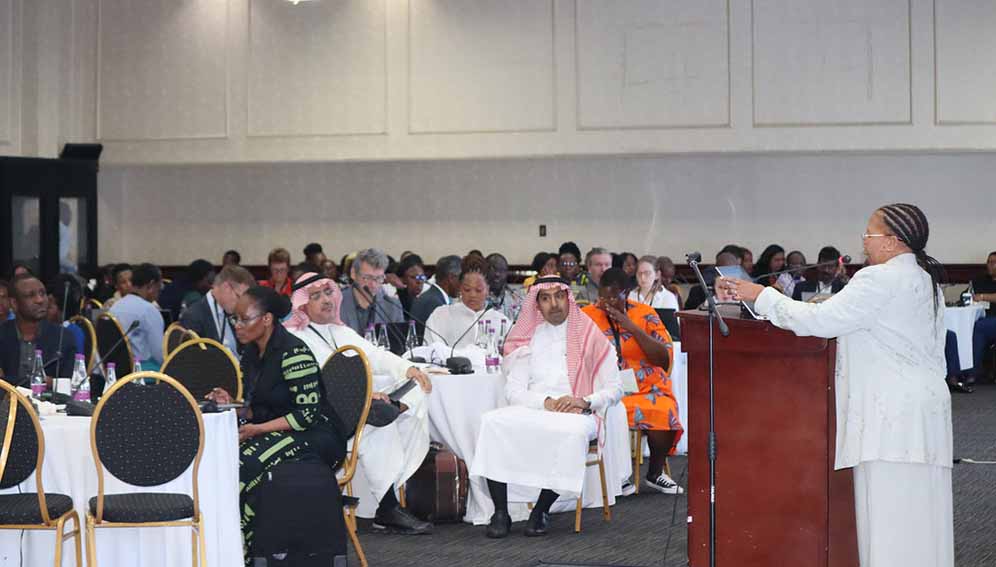
Understanding STISA-2034 call eligibility
The Science Granting Councils Initiative (SGCI) opened its multilateral research call to advance Africa’s Science, Technology and Innovation Strategy for Africa (STISA 2034), and interest from applicants is building across the continent’s research community. Before diving into a proposal, here’s what determines whether your institution…

Gambia workshop tackles research funding gaps
Research funding alone cannot fix a research system without investment in people, systems and institutions; this was the central message driving a three-day capacity-strengthening workshop held in The Gambia. The workshop, held from 4–6 August, was organised by the National Research and Innovation Fund (NRIF)…
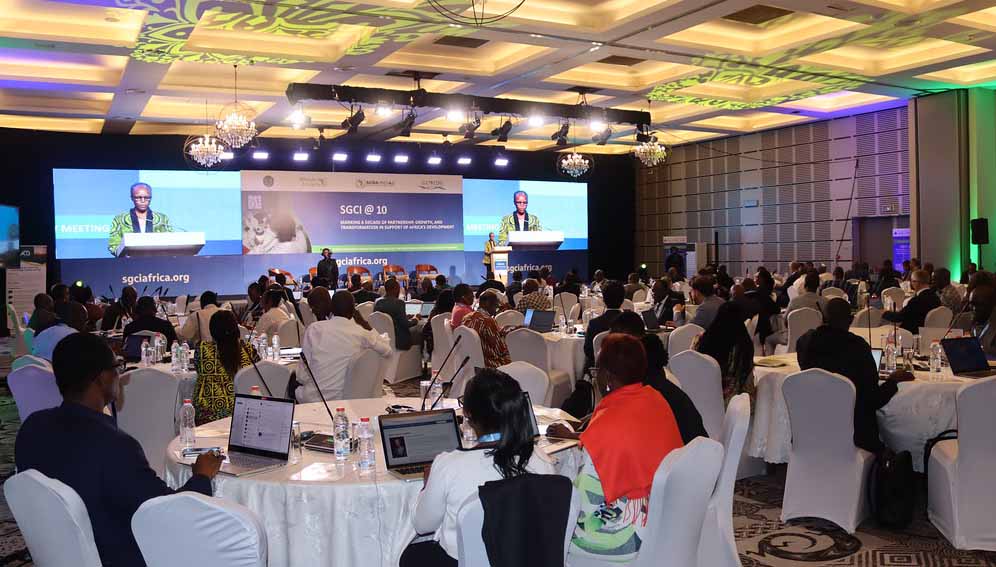
STISA-2034: Multi-country research partnerships for greater impact
Africa’s development challenges, from climate resilience to health system strengthening to inclusive digital transformation, rarely stop at national borders. Many of the issues facing communities across the continent require evidence, expertise and solutions that can be developed and tested across different contexts. This is why…