SGCI News
The African Centre for Technology Studies (ACTS), in collaboration with the International Development Research Centre (IDRC), will host a Virtual Stakeholder Consultation on Transforming the Research for Development (R4D) Landscape…
The African Centre for Technology Studies (ACTS), in collaboration with the International Development Research Centre (IDRC), will host a Virtual Stakeholder Consultation on Transforming the Research for Development (R4D) Landscape in eastern and southern Africa on 22 October 2025, from 10:00 AM to 1:00 PM (EAT).
The event will take place online via Zoom, and participants can register here
This regional consultation aims to bring together key voices from across Eastern and Southern Africa to review current trends in the R4D landscape, co-create a shared vision for a transformative and inclusive research and innovation ecosystem, and identify actionable pathways for long-term impact.
The discussions will explore how R4D can be more responsive to regional priorities, better aligned with national development goals, and more inclusive of underrepresented groups such as women, youth, and micro and small enterprises.
Distinguished speakers at the consultation include Tom Ogada, executive director of ACTS; Almamy Konté, former executive director of the African Observatory of Science, Technology and Innovation (AOSTI) in Senegal.
Others include John Ouma-Mugabe, professor of science and innovation policy at the University of Pretoria, Agnes Lutomiah, head of the STIKS programme at ACTS, Wilhemina Quaye, director of the CSIR–Science and Technology Policy Research Institute in Ghana, Nouhou Diaby from Cheikh Anta Diop University of Dakar, Senegal, and Clarisse Mideva, Intellectual Property assistant manager at ACTS.
The consultation is open to researchers, policymakers, academics, think tanks, funders, private sector representatives, civil society organisations, innovation hubs, and other stakeholders committed to shaping the future of research for development in Africa.
Together, participants will explore opportunities to build a more vibrant, inclusive, and future-ready R4D ecosystem that drives sustainable and equitable growth.
This initiative aligns closely with the Science Granting Councils Initiative’s (SGCI) ongoing mission to strengthen science systems across Africa.
By supporting dialogue and collaboration among key actors, events like this contribute to the development of stronger, more interconnected research and innovation ecosystems capable of addressing Africa’s pressing development challenges.
Please check out the stories and let us know what you think. We would love to hear from you!
Let’s continue the conversation on our social media
Published on 20 October 2025
Related News
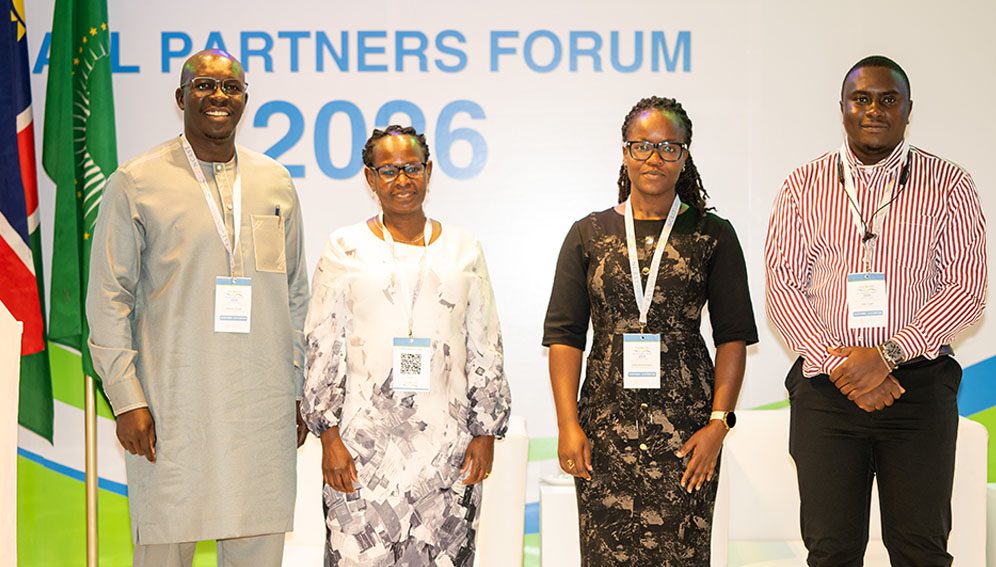
Voices from the SGCI Forum: Building an African-led science system
From calls for African-led research funding to stronger engagement with communities and governments, participants at the 2026 Science Granting Councils Initiative (SGCI) All Partners Forum left Windhoek with a shared sense that Africa’s science and innovation systems are entering a new phase. Held from 28…
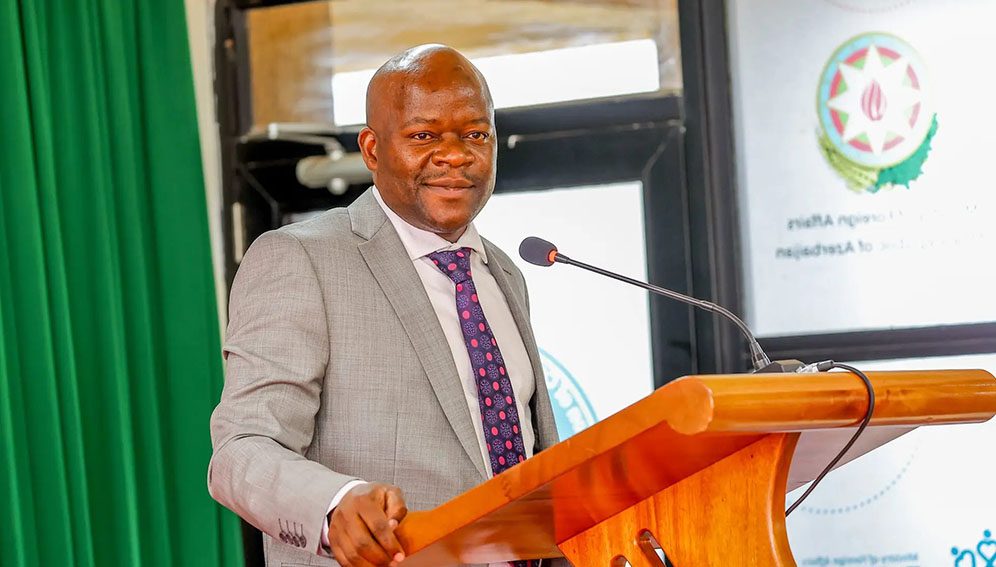
NRF champions science, climate action and youth empowerment
Kenya’s National Research Fund (NRF) is strengthening efforts to connect scientific research, innovation and youth participation with practical responses to climate and environmental challenges. NRF chief executive officer Dickson Andala represented the fund at the launch of the Climate Policy and Advocacy Training – Cohort…
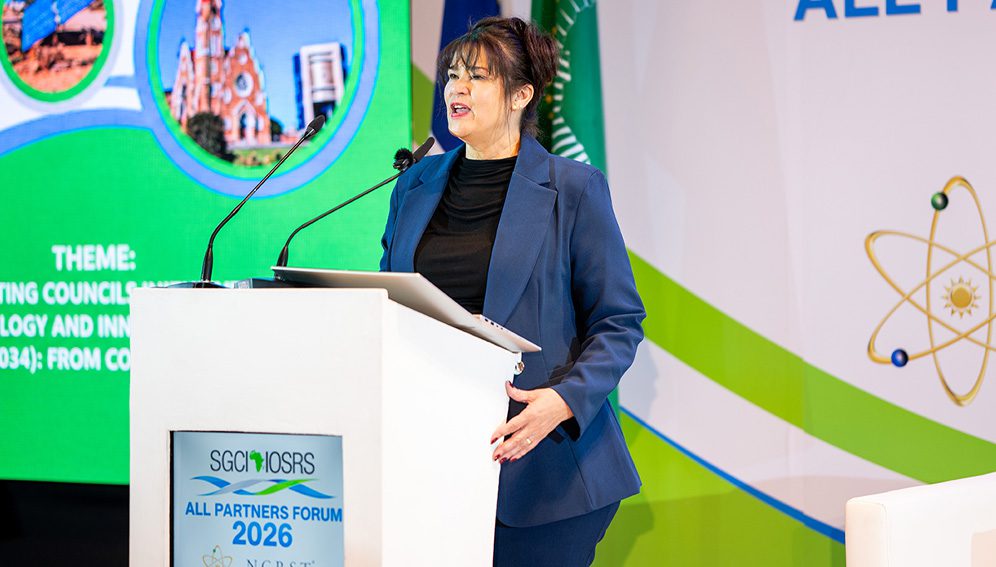
Windhoek Declaration: African science funders pledge to act as one
Science granting councils say Africa’s research systems need African ownership, steadier funding and less fragmentation. Here is what they agreed in Windhoek. African science granting councils adopted a collective declaration in Windhoek, Namibia, on 1 October 2026, as part of the Science Granting Councils Initiative…


SGCI funded projects
Rwanda’s integrated approach to sustainable agriculture and nutrition
Project Titles & Institution Areas of Research Number of Projects being funded Project Duration Grant Amount In-Kind Distribution Council Collaboration with other councils