SGCI News
It was an exhilarating moment as the Science Granting Councils Initiative (SGCI) Phase 3 funding announcement was officially made yesterday during the Science, Technology, and Innovation (STI) Week 2026, held…
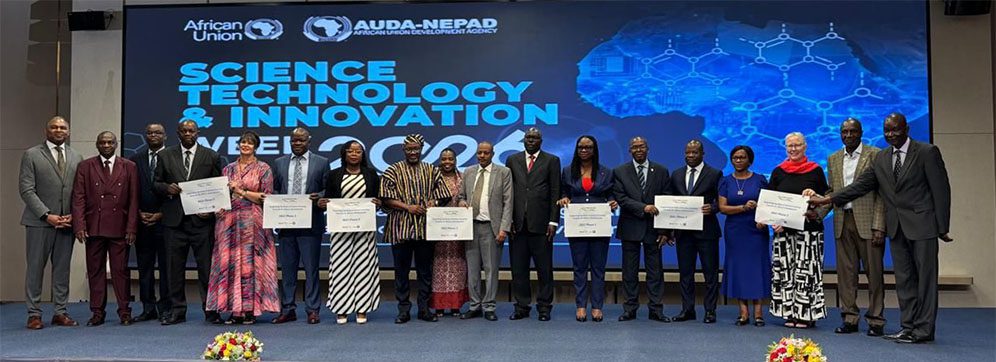
It was an exhilarating moment as the Science Granting Councils Initiative (SGCI) Phase 3 funding announcement was officially made yesterday during the Science, Technology, and Innovation (STI) Week 2026, held in Addis Ababa, Ethiopia.
The STI Week, organised by AUDA-NEPAD and the African Union and held from 10 to 12 February, brought together ministers, partners, councils, and stakeholders from across the continent, highlighting a shared commitment to strengthening Africa’s science, technology, and innovation systems and advancing sustainable development.
AUDA-NEPAD, in collaboration with the African Union Commission (AUC), is launching the STISA 2034 implementation plan on the margins of the 39th African Union Summit, thereby solidifying it as Africa’s roadmap for STI over the next decade.
SGCI’s presence at the AU meetings aims to demonstrate to policymakers the value of increased research and development funding and policy harmonisation, and the importance of empowering national councils to serve as strategic drivers of inclusive innovation and sustainable growth.
Kathryn Toure, regional director, International Development Research Centre (IDRC) Eastern and Southern Africa Regional Office, in her remarks, echoed the importance of building systems that are resilient, inclusive, and able to respond to the continent’s evolving challenges.
She highlighted that communities across Africa continue to face climate vulnerabilities, emerging infectious diseases, food insecurity, and rapid technological disruption, making strong national and regional systems essential for generating the knowledge, technologies, and innovations needed to respond.
IDRC, together with the National Research Fund of South Africa, the Government of Norway, the United Kingdom’s Foreign, Commonwealth & Development Office, Wellcome, and the German Research Foundation, joined the African Union in announcing a 57 million Canadian dollar (approximately 42 million USD) commitment to support the implementation of the Science, Technology, and Innovation Strategy for Africa (STISA-2034).
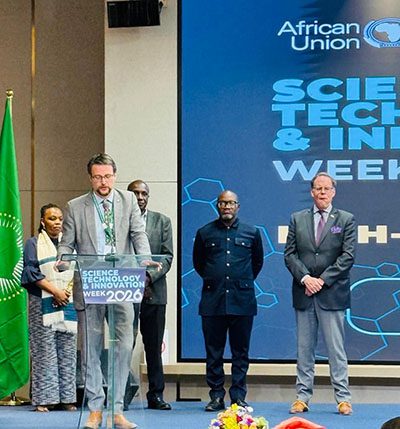
The investment will be delivered through the Science Granting Councils Initiative (SGCI), which currently involves councils in 20 countries across Sub-Saharan Africa.
Looking back on the progress of SGCI 1 and SGCI 2, Toure noted tangible gains, including more effective research and grants management systems, stronger use of evidence in policymaking, greater integration of gender equality and inclusion, improved monitoring, evaluation, and learning, and stronger public–private partnerships and commercialisation of research results.
These efforts, she noted, have contributed to stronger institutions, better investments, and greater impact for people and communities, laying the foundation for innovation across the continent.
The announcement of SGCI Phase 3 signals a continued commitment to African-led priorities, strengthening national systems, and fostering long-term partnerships grounded in trust and shared purpose.
Toure thanked the leadership of the African Union and science-granting councils across the continent, noting that strong STI systems drive economic growth, strengthen resilience and democratic governance, and ensure that African researchers, innovators, and institutions shape the solutions that define the continent’s future.
Read full press release here
Please check out the stories and let us know what you think. We would love to hear from you!
Let’s continue the conversation on our social media
Related News
NRF champions science, climate action and youth empowerment
Kenya’s National Research Fund (NRF) is strengthening efforts to connect scientific research, innovation and youth participation with practical responses to climate and environmental challenges. NRF chief executive officer Dickson Andala represented the fund at the launch of the Climate Policy and Advocacy Training – Cohort…
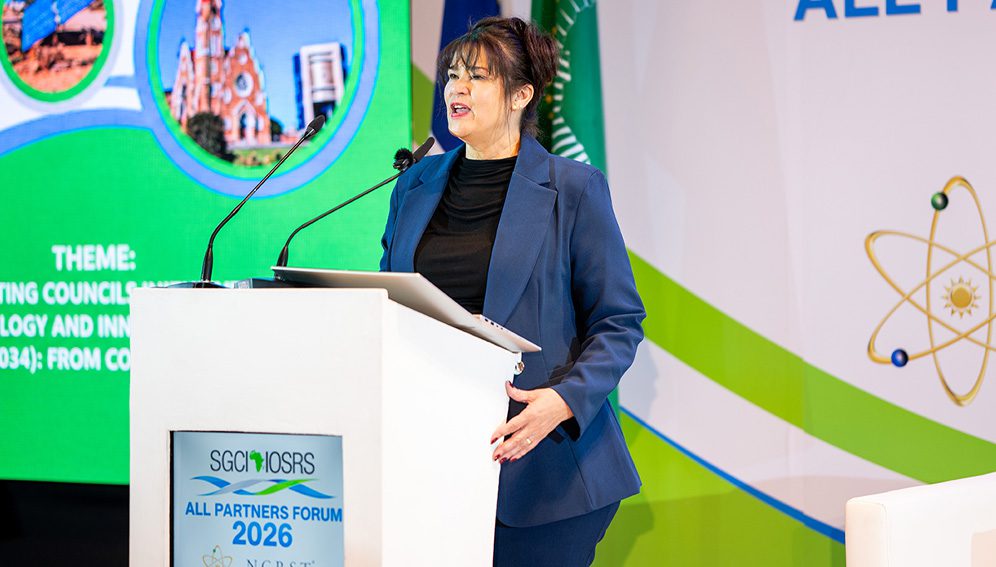
Windhoek Declaration: African science funders pledge to act as one
Science granting councils say Africa’s research systems need African ownership, steadier funding and less fragmentation. Here is what they agreed in Windhoek. African science granting councils adopted a collective declaration in Windhoek, Namibia, on 1 October 2026, as part of the Science Granting Councils Initiative…
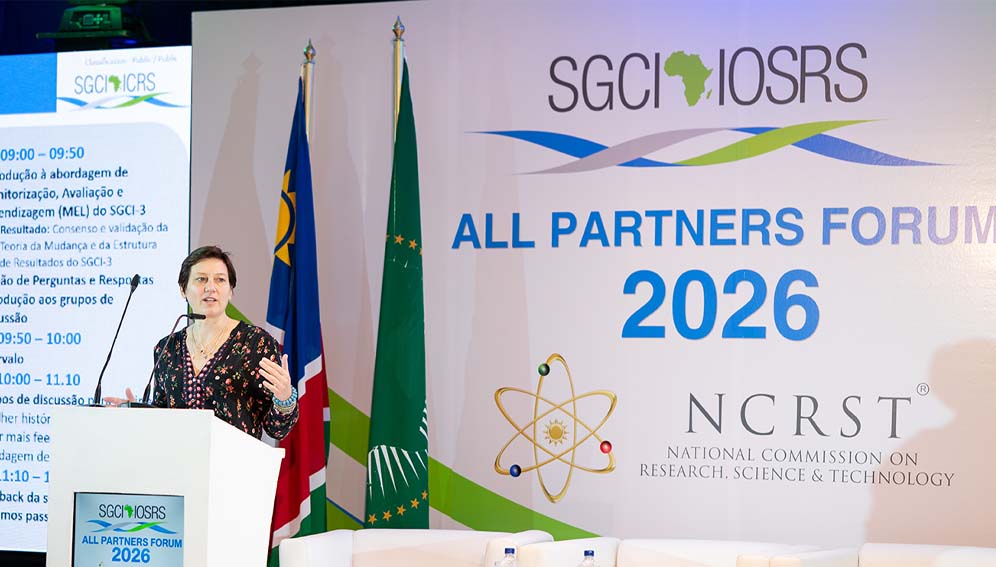
Africa’s science councils urged to turn pledges into real impact
[NAMIBIA] African countries must strengthen collaboration, invest in research and scientists, and take greater ownership of science, technology and innovation if research is to deliver lasting development impact, participants at the 2026 Science Granting Councils Initiative (SGCI) All Partners Forum have said. The call came…
Research and Resources

SGCI funded projects
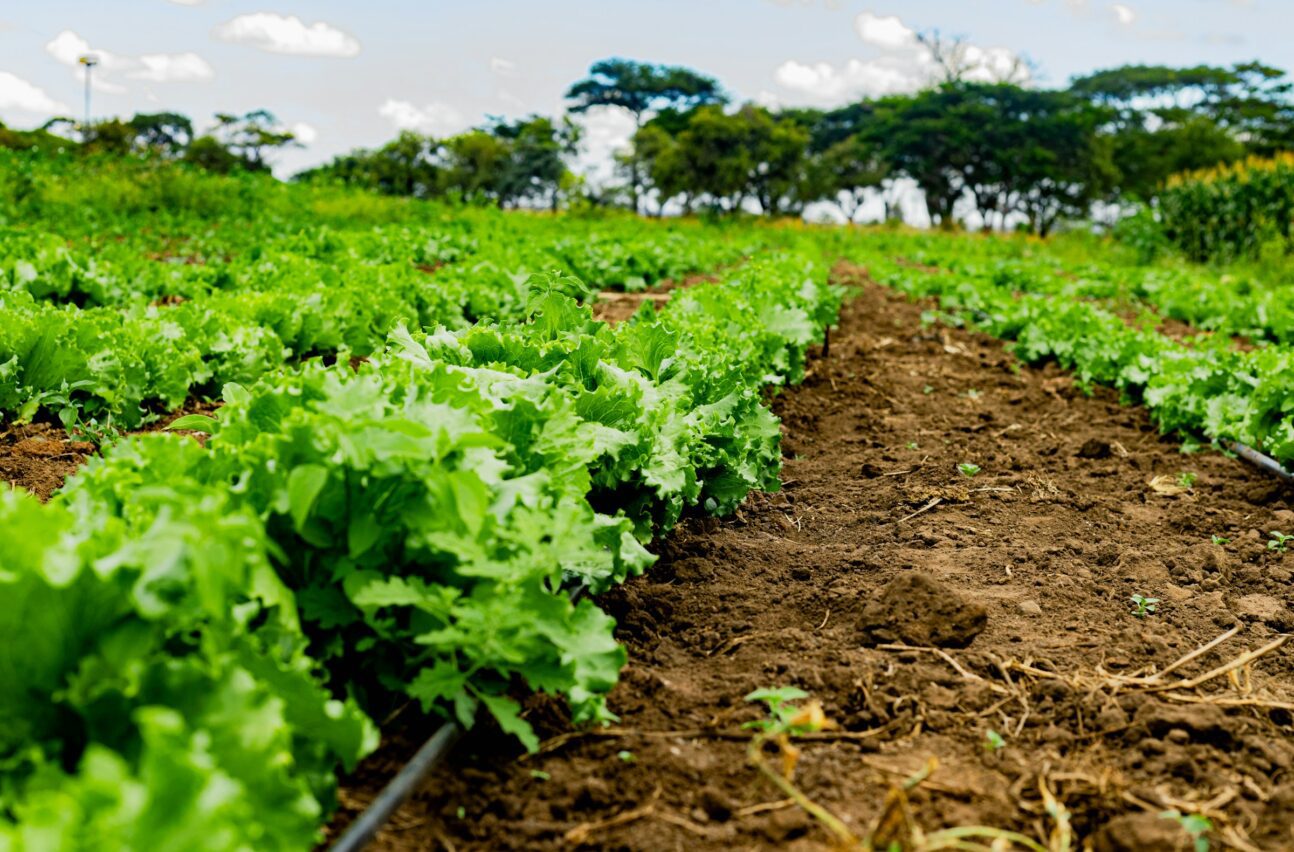
Rwanda’s integrated approach to sustainable agriculture and nutrition
Project Titles & Institution Areas of Research Number of Projects being funded Project Duration Grant Amount In-Kind Distribution Council Collaboration with other councils