
News
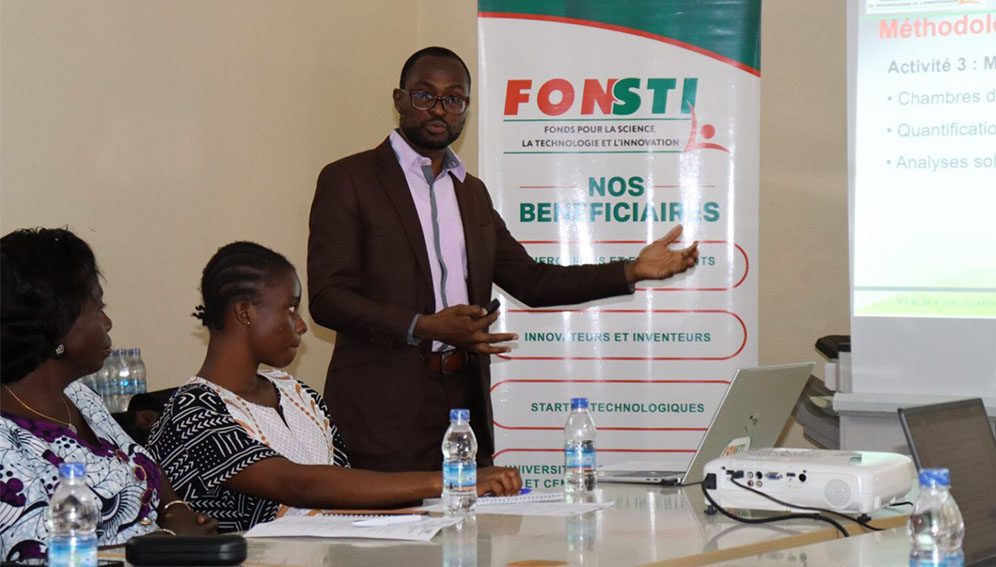
FONSTI launches climate-smart rice farming initiative
The Fund for Science, Technology, and Innovation (FONSTI) has reaffirmed its commitment to supporting applied research and regional scientific collaboration by launching a new climate-smart rice farming project to strengthen food security in West Africa. FONSTI joined researchers, university leaders, and agricultural stakeholders on 23 April at Nangui Abrogoua University (UNA) in Abidjan for the…
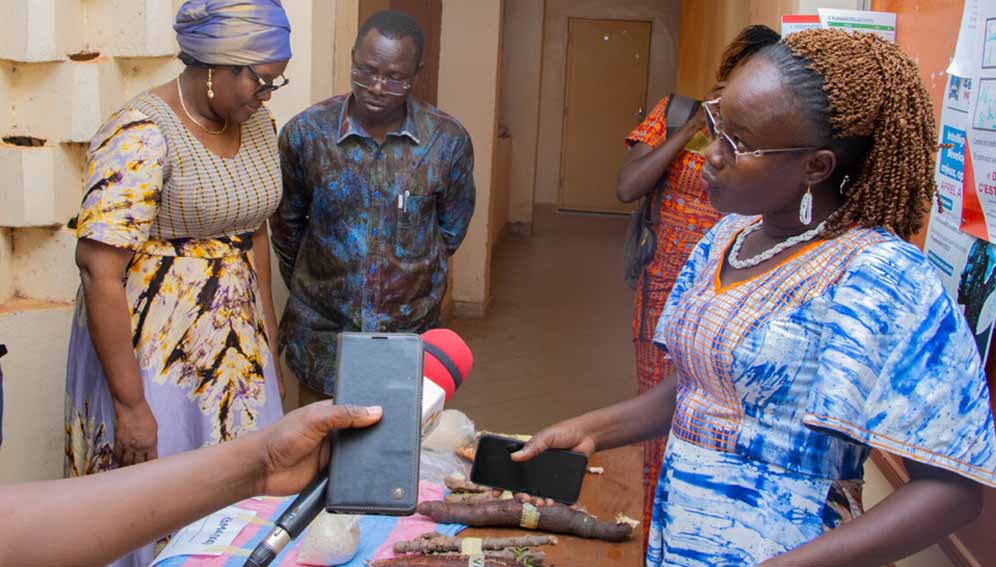
SGCI funding transforming research and communities in Burkina Faso
When 15 research projects ended in Ouagadougou last October, they marked a turning point in how Burkina Faso structures, finances, and applies scientific research and a demonstration of what happens when African-led funding mechanisms are given the resources to work. The closing workshop, was held at the Institute of Social Sciences, was organised by the…
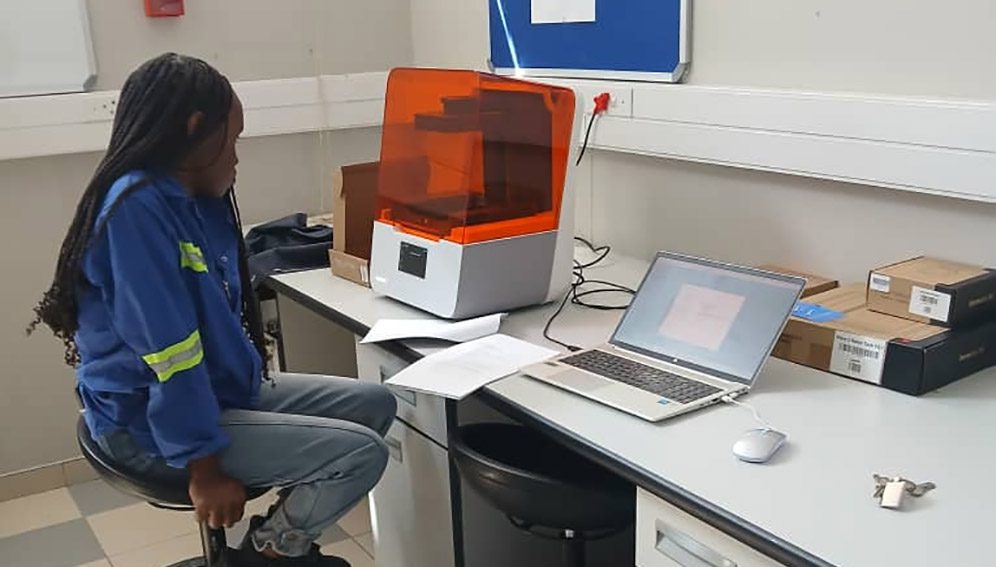
Teaching machines to see what doctors miss
In Namibia, a mechanical engineer is using artificial intelligence to help clinicians detect breast cancer faster and more accurately in a country where radiologists are scarce, and diagnoses often come too late. Ester Angula is a senior lecturer in mechanical engineering at the Namibia University of Science and Technology. She built her career around thermo-fluids,…
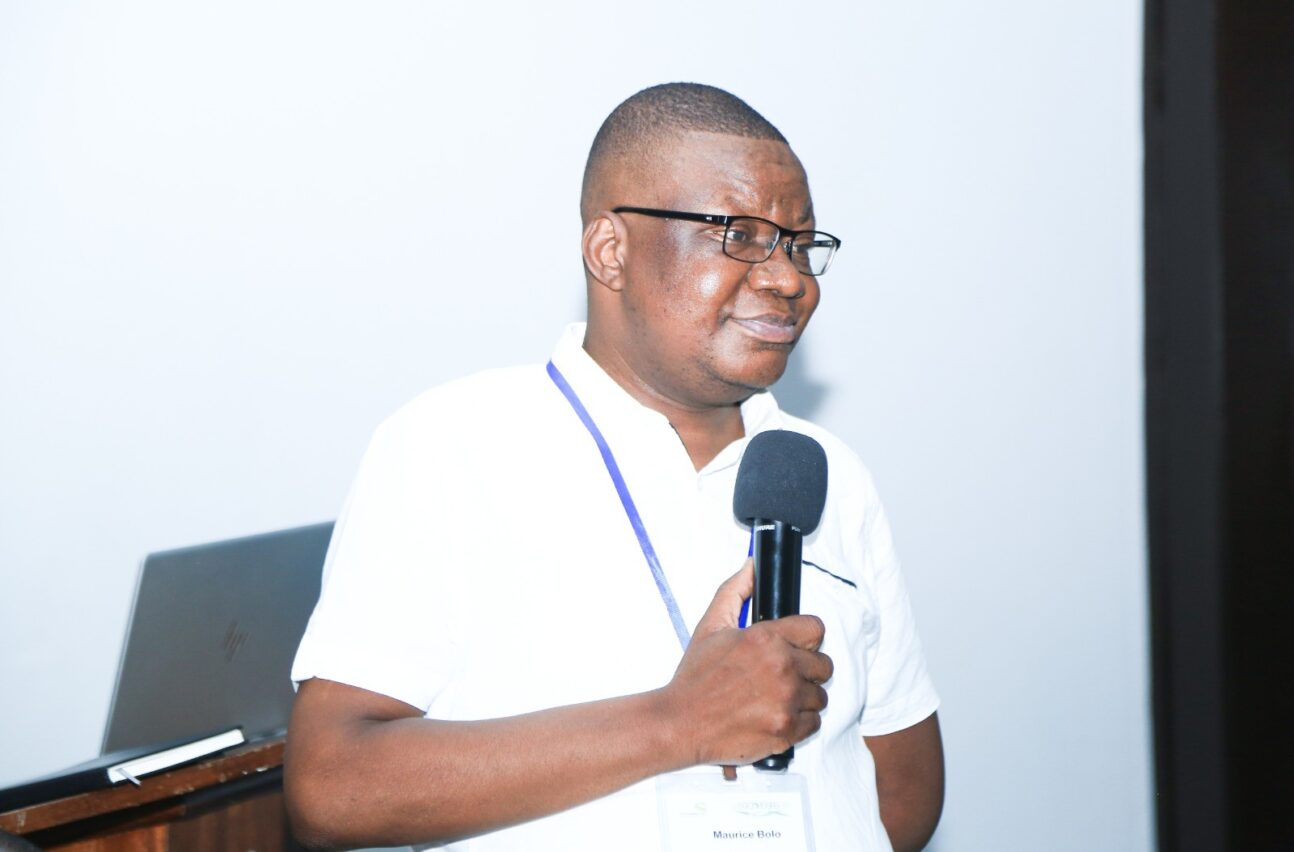
Kenya’s patent data tells a story we cannot ignore
A landmark analysis of three decades of Kenyan patent data reveals a widening innovation gap that demands urgent policy action, argues Maurice Bolo, director of the Scinnovent Centre, Kenya, with implications that SGCI researchers and policymakers across the continent cannot afford to ignore. As the world marked World Intellectual Property Day on 26 April, Kenya…
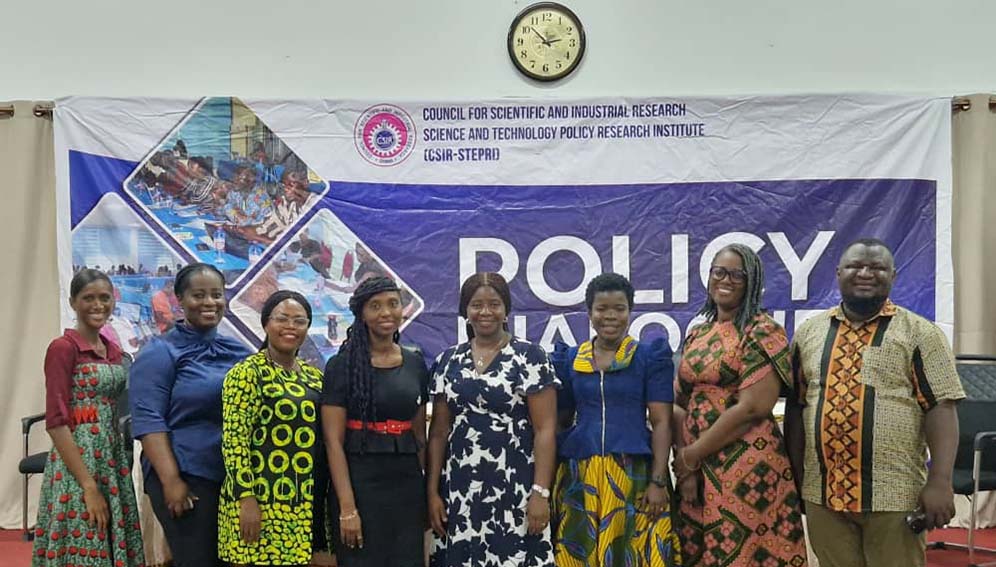
New findings fuel momentum for women in Ghana’s STEM careers
Rose Omari was one of two girls in a class of forty. Decades later, the imbalance remains When she first chose to study science, she did not yet have the language for gender disparity, but she could see it clearly. In a secondary school classroom of about forty students, only two were girls. She was…
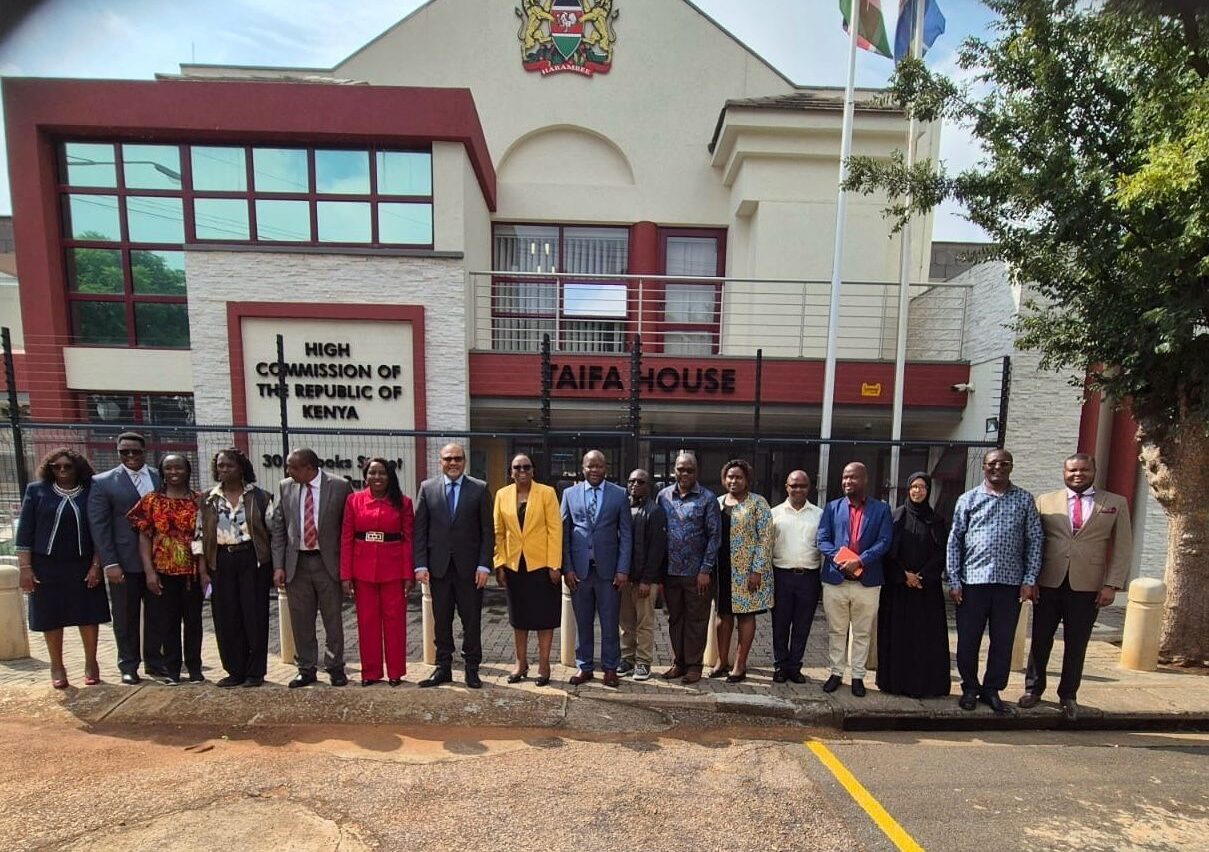
Kenya’s NRF explores research chairs programme
Kenya’s National Research Fund (NRF) is taking early steps toward establishing a national Research Chairs programme in priority sectors, signalling a shift toward more structured, long-term investment in research capacity. A continental partnership for education reform NRF Kenya partnered in the launch of Harnessing Education for Impact in Africa (HERI Africa), joining policymakers, academics, and…
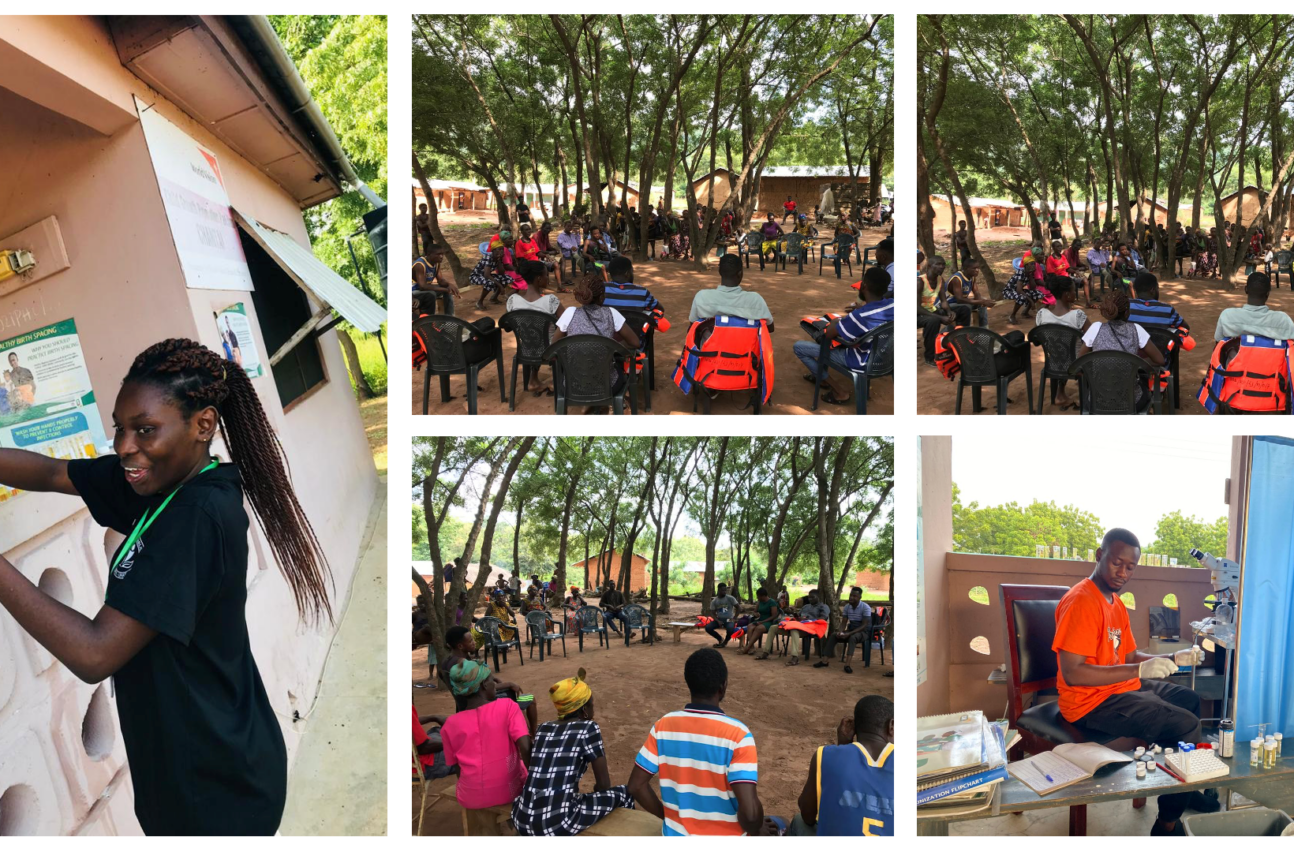
How an app is transforming schistosomiasis control in Ghana
When Gideon Kye-Duodu began work on what would become the MedScale Schisto App, he was not only building a digital tool but confronting a stubborn public health problem, such as schistosomiasis, that refused to yield, despite years of intervention. Schistosomiasis, a parasitic disease spread through contaminated freshwater, remained common in riverine and hard-to-reach communities across…
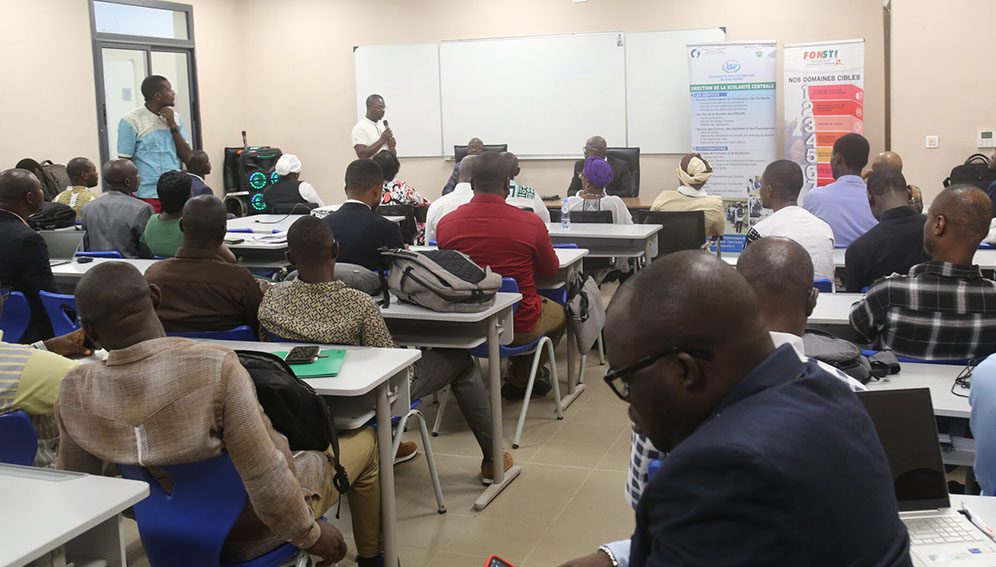
Côte d’Ivoire boosts research capacity with national training drive
Côte d’Ivoire has taken a significant step towards strengthening its scientific ecosystem, following a three-day capacity-building programme aimed at elevating research standards to the global stage. Held from March 23–25 in San Pedro, the training, led by the Fund for Science, Technology and Innovation (FONSTI) in collaboration with the Polytechnic University of San Pedro, brought…
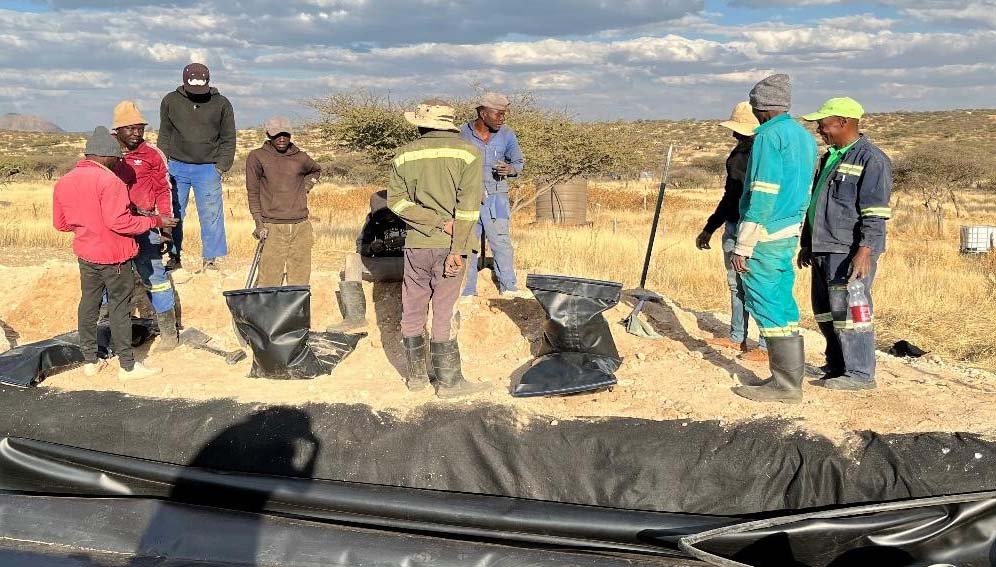
Community biogas project reduces waste in Namibia
In Groot Aub, a semi-rural settlement on the outskirts of Windhoek, Namibia, cooking a simple meal once came at a cost of time, money, and health. Firewood smoke-filled kitchens, and households spent significant portions of their income on fuel. For many, firewood alone costs up to N$2,400 a month. For Natangue Shafudah, a senior lecturer…
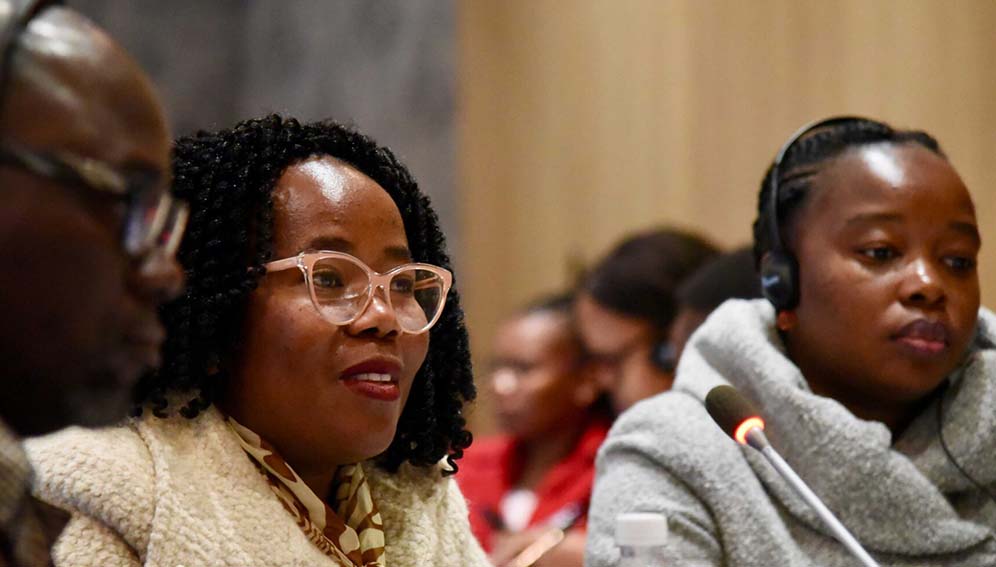
Transforming research funding for gender equity in Africa
Decisions about what gets funded, who receives grants, and which questions are considered worth asking shape the very nature of knowledge. And for too long, those decisions have reflected and reinforced deep inequalities, particularly for women, who make up only 30 per cent of researchers across Africa and remain underrepresented in leadership roles. But a…