
SGCI News
The Namibia National Commission on Research, Science and Technology has officially launched the country’s Research Infrastructure Survey Report, outlining existing research facilities, key gaps, and priority areas for development. The…
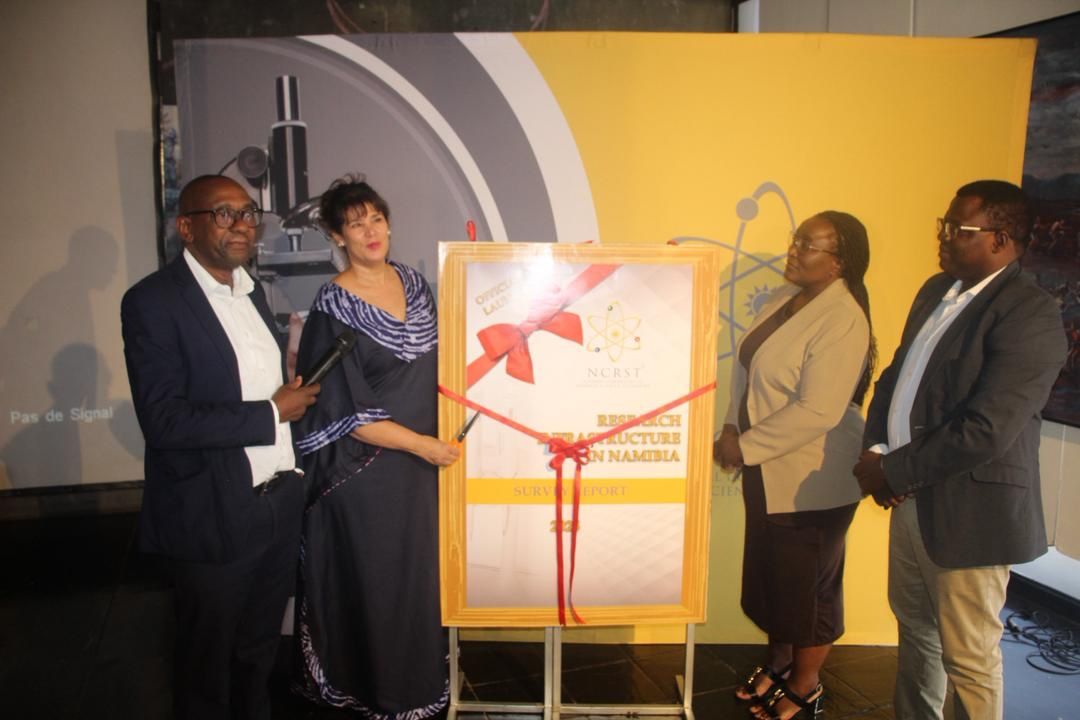
The Namibia National Commission on Research, Science and Technology has officially launched the country’s Research Infrastructure Survey Report, outlining existing research facilities, key gaps, and priority areas for development.
The report was presented on 3 March at the Franco-Namibian Cultural Centre in Windhoek before an audience of stakeholders drawn from government, academia, and industry.
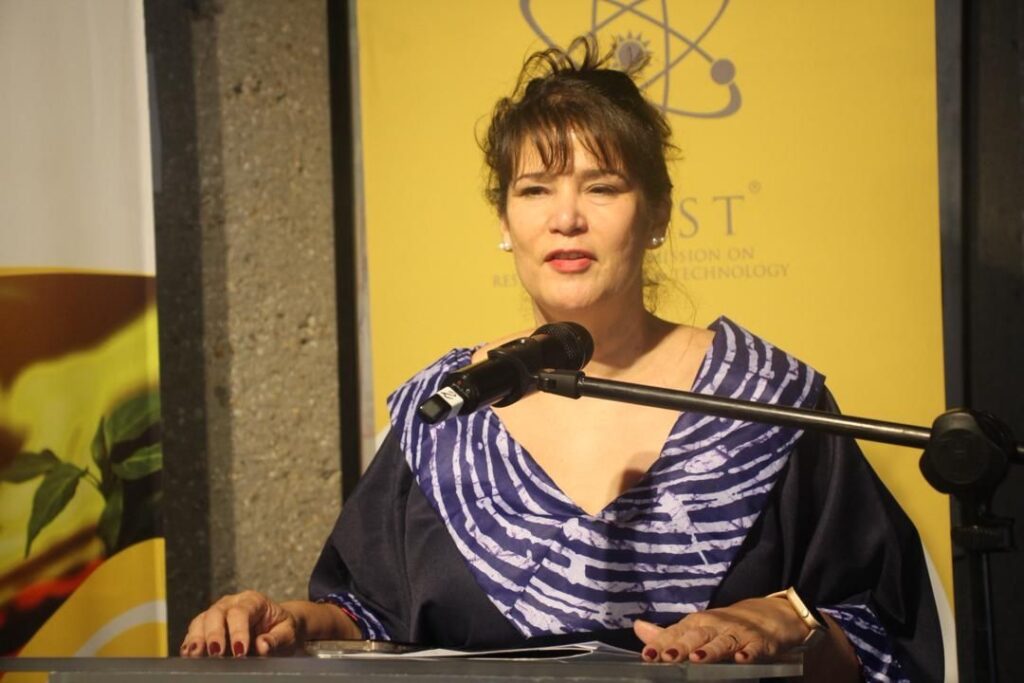
NCRST chief executive officer, Anicia Peters, said the findings would have concrete implications for the sector’s development.
“The report will guide our strategic planning, inform investment decisions, and strengthen coordination across Namibia’s research, science, and innovation sector,” she said.
The report provides a comprehensive evaluation of Namibia’s research infrastructure, mapping existing facilities across the country, assessing institutional capacities, and identifying national research needs and critical priority areas.
It also draws on baseline data from the 2017 survey, allowing for a longitudinal view of how the landscape has evolved and strengthening the evidence base for future policymaking in research, science, and technology.
The launch
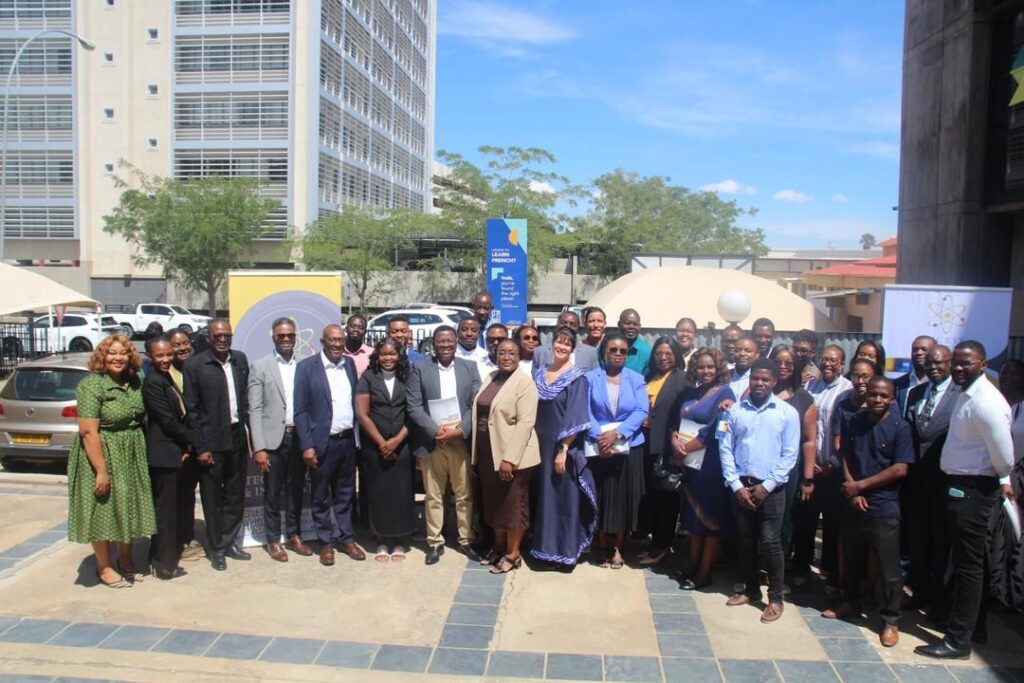
Opening remarks were delivered by Nhlanhla Lupahla, general manager for Research, Science, Technology, and Innovation Support.
He described the launch as “an important step towards strengthening Namibia’s research infrastructure landscape, promoting equitable access to facilities and advancing the national research agenda.”
The survey’s findings were then presented by Hilya Shikongo, acting general manager of the Innovation and Technology Development Division, who walked attendees through the report’s methodology, data, and key recommendations.
From survey to action
The report serves as a foundation for broader capacity-building work. Science granting councils across the continent have learned that sustainable research ecosystems require more than funding.
They require infrastructure that is accessible, well-maintained, and distributed in a way that serves the whole country, not just its major centres.
With the survey report now public, Namibia has a clearer picture of how far it has come and how far it still needs to go.
Please check out the stories and let us know what you think. We would love to hear from you!
Let’s continue the conversation on our social media
Published on 6 March 2026
Written by Jackie Opara-Fatoye,
SGCi themes
Countries
Council Objectives
Categories
Related News
Namibia launches national research infrastructure survey report
The Namibia National Commission on Research, Science and Technology has officially launched the country’s Research Infrastructure Survey Report, outlining existing research facilities, key gaps, and priority areas for development. The report was presented on 3 March at the Franco-Namibian Cultural Centre in Windhoek before an…
How Zambia’s science council is funding research that matters
When Zambia’s National Science and Technology Council (NSTC) was established in 1997, its founding vision was to harness science, technology, and innovation to improve the lives of ordinary Zambians. More than two decades later, that vision is increasingly taking shape through a growing portfolio of…
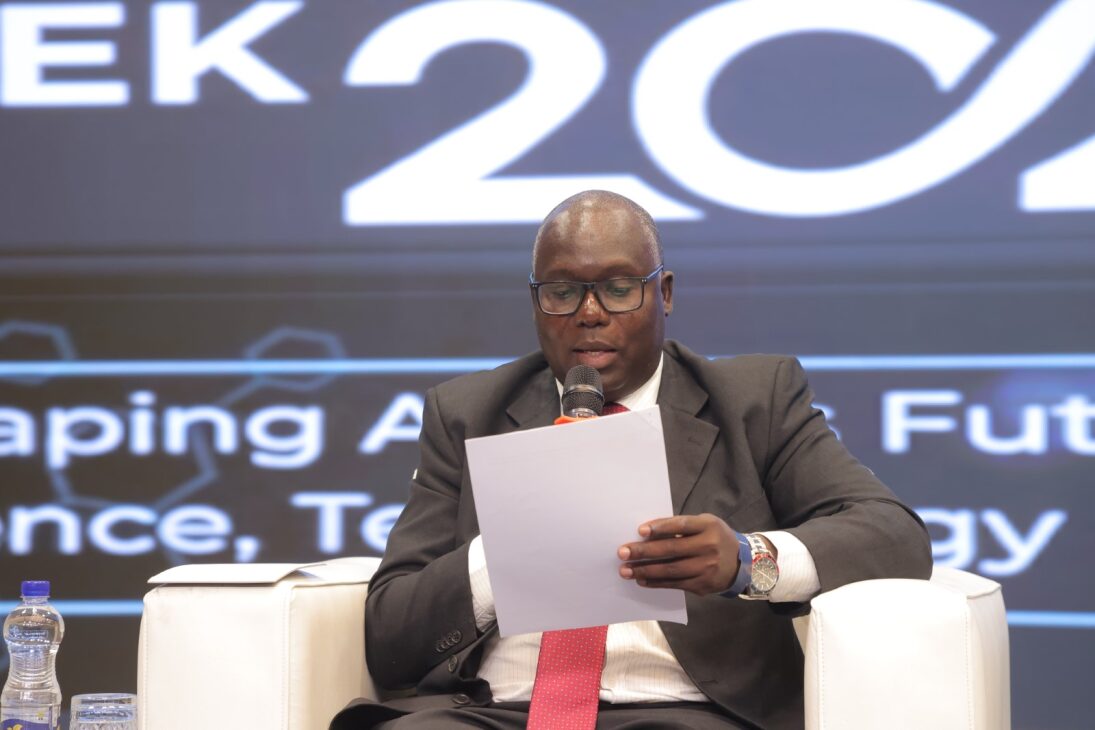
Voices of SGCI: Council leaders on the direction and ambition of SGCI 3
At the African Union’s Science, Technology and Innovation Week in Addis Ababa, earlier this month, leaders of science granting councils reflected on what SGCI Phase 3 represents for Africa’s science and innovation systems. From ownership and alignment to stewardship and sustainability, here are their voices…

SGCI funded projects

Rwanda’s integrated approach to sustainable agriculture and nutrition
Project Titles & Institution Areas of Research Number of Projects being funded Project Duration Grant Amount In-Kind Distribution Council Collaboration with other councils