
SGCI News
With a mandate to mobilise resources for research, capacity development, dissemination of findings, and science for sustainable national development, the National Research Fund (NRF) Kenya stands as a cornerstone of…
With a mandate to mobilise resources for research, capacity development, dissemination of findings, and science for sustainable national development, the National Research Fund (NRF) Kenya stands as a cornerstone of the country’s research ecosystem.
As Kenya’s premier research funding body, NRF Kenya is playing an important role in simplifying science for Kenyans through the Kenya National Research Festival, KNRF.
A platform for innovation
The KNRF is one of the ways the council is fostering research and innovation excellence and collaboration.
The festival will be held at Egerton University, Njoro, Nakuru County, from 18-22 August.
This year’s festival theme is “Sustainable Agriculture and Food Security”, a theme that directly addresses one of Kenya’s core development priorities.
Building on the success of the 2024 festival, which was celebrated as “a celebration of ideas, impact, and innovation,” the 2025 festival promises to be more than just an academic gathering.
In partnership with Egerton University and the County Government of Nakuru, the 2025 research festival represents a socio-economic transformation through science, bringing together the nation’s leading researchers, innovators, and changemakers for a week of bold ideas, transformative research, and strategic partnerships.
The festival will showcase cutting-edge research in sustainable agriculture, facilitate knowledge exchange between researchers and practitioners, build strategic partnerships across sectors, promote evidence-based solutions to food security challenges, and connect research outcomes with policy implementation.
Research impact
Kenya’s research success lies in its real-world applications, as evidenced in the compelling research stories featured on the Science Granting Councils Initiative (SGCI) newsletter, which demonstrate how the council’s investments are making impact.
See some of the research impact stories below.
New cassava plant boosts income for Kenyan farmers
Kenya’s Masinde Muliro University of Science and Technology (MMUST) established a cassava processing plant in Busia County, as part of a pilot project funded by Kenya’s National Research Fund, which also includes research to develop resilient crop varieties.
The plant has the capacity to mill one tonne of cassava flour per day from five tonnes of fresh cassava.
Climate-smart tech helps Kenyan farmers sell native veg
Researchers from Jomo Kenyatta University of Agriculture and Technology (JKUAT) introduced an initiative to promote sustainable production and commercialisation of indigenous vegetables.
They trained smallholders in the preparation of nurseries, application of organic fertiliser, and crop management.
The festival will showcase the featured research on the SGCI website and more.
The festival is open to all. Learn more here
Please check out the stories and let us know what you think. We would love to hear from you!
Let’s continue the conversation on our social media
Follow us on LinkedIn
Published on 20 June 2025
Written by Jackie Opara
Related News
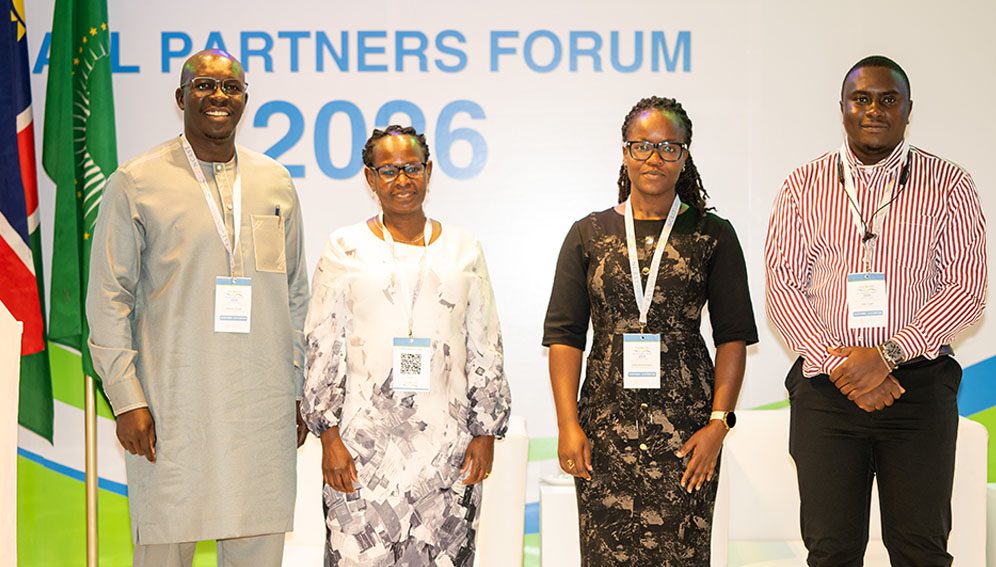
Voices from the SGCI Forum: Building an African-led science system
From calls for African-led research funding to stronger engagement with communities and governments, participants at the 2026 Science Granting Councils Initiative (SGCI) All Partners Forum left Windhoek with a shared sense that Africa’s science and innovation systems are entering a new phase. Held from 28…
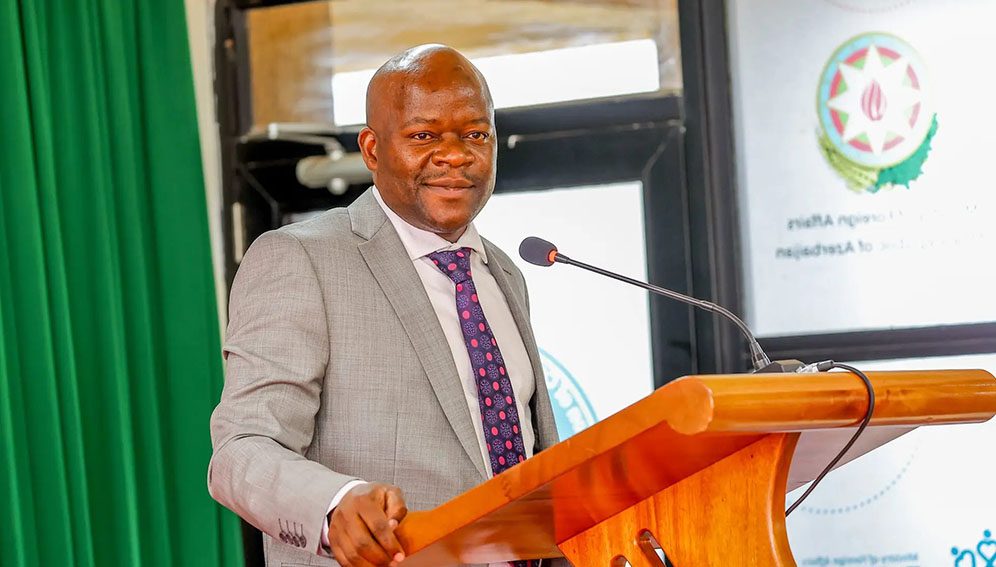
NRF champions science, climate action and youth empowerment
Kenya’s National Research Fund (NRF) is strengthening efforts to connect scientific research, innovation and youth participation with practical responses to climate and environmental challenges. NRF chief executive officer Dickson Andala represented the fund at the launch of the Climate Policy and Advocacy Training – Cohort…
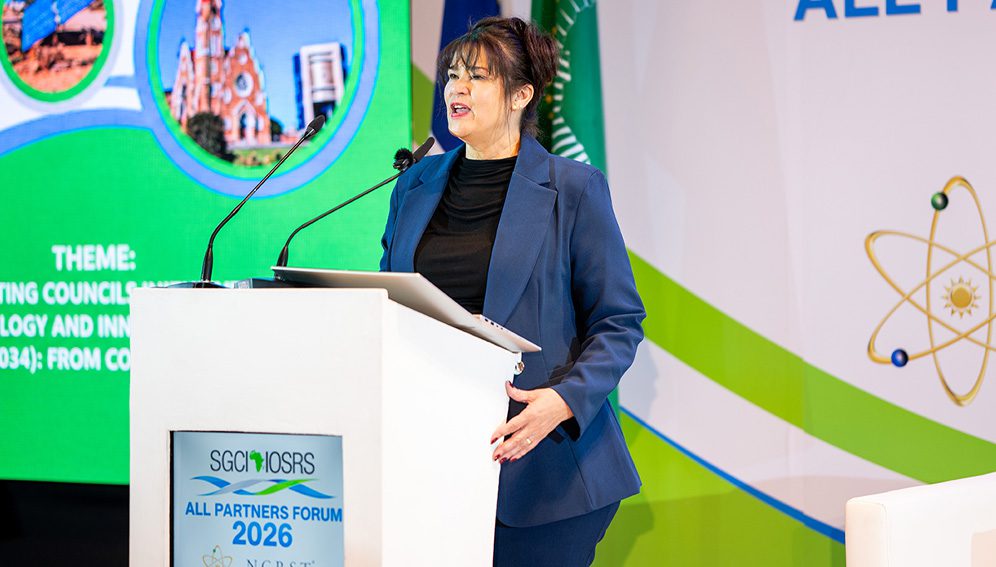
Windhoek Declaration: African science funders pledge to act as one
Science granting councils say Africa’s research systems need African ownership, steadier funding and less fragmentation. Here is what they agreed in Windhoek. African science granting councils adopted a collective declaration in Windhoek, Namibia, on 1 October 2026, as part of the Science Granting Councils Initiative…


SGCI funded projects
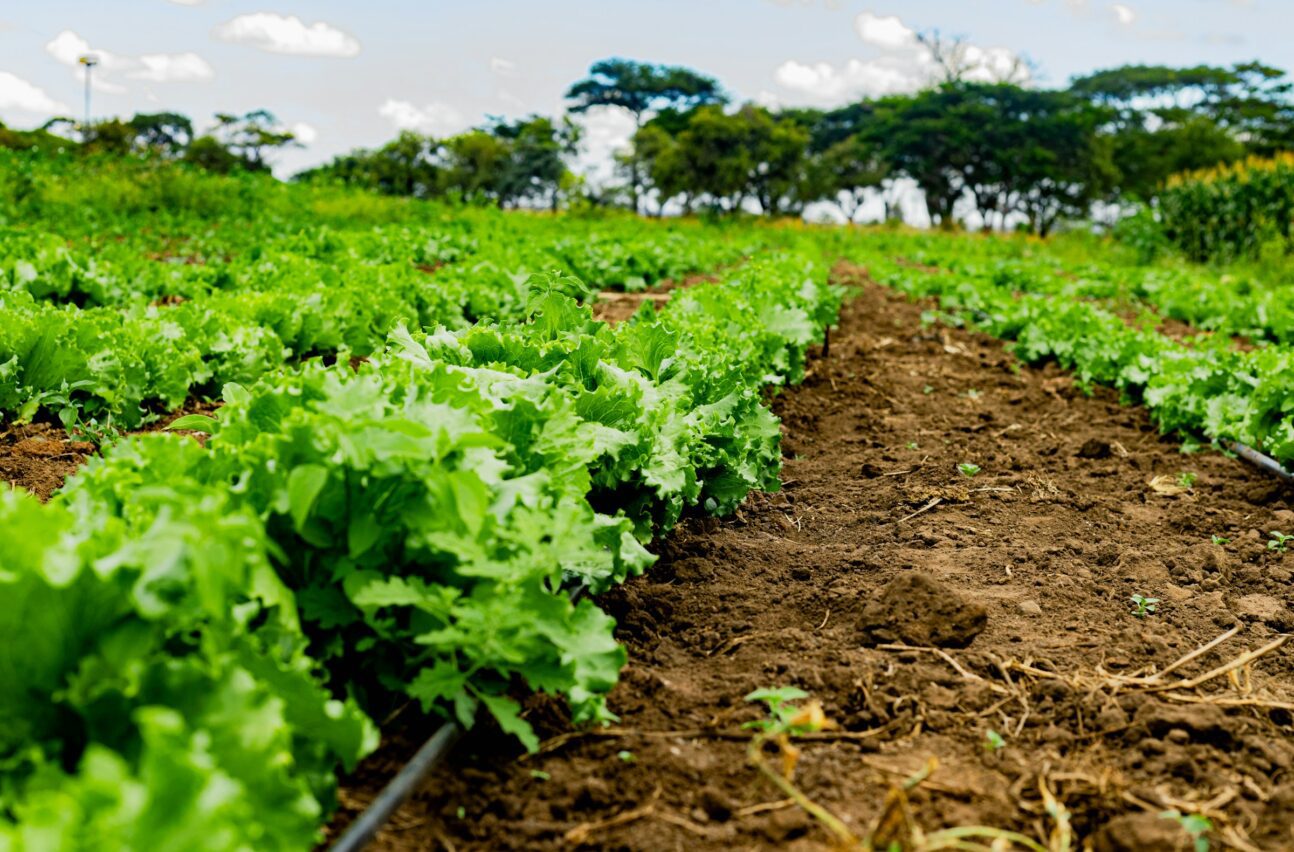
Rwanda’s integrated approach to sustainable agriculture and nutrition
Project Titles & Institution Areas of Research Number of Projects being funded Project Duration Grant Amount In-Kind Distribution Council Collaboration with other councils