
SGCI News
International Development Research Centre (IDRC) is funding a public-private partnership to create a new poultry vaccine in Brazil. The initiative is part of InnoVet-AMR 2.0, a four-year partnership between IDRC…
International Development Research Centre (IDRC) is funding a public-private partnership to create a new poultry vaccine in Brazil.
The initiative is part of InnoVet-AMR 2.0, a four-year partnership between IDRC and the UK’s Department of Health and Social Care (DHSC) Global AMR Innovation Fund (GAMRIF).
The goal is to reduce the emerging risk that antimicrobial resistance (AMR) in animals poses to global health and food security.
Infectious bacteria like drug-resistant E. coli can cause serious illness or death in humans and animals. It is widespread in the poultry industry, causing major economic losses and harm to animal welfare.
To stop the spread of this resistant bacteria, the project brings together two grantees:
Vaxinano is a biotech company with expertise in developing innovative vaccines – focusing on the development of a vaccine designed to meet the needs of low- and middle-income countries.
Empresa Brasileira de Pesquisa Agropecuária (EMBRAPA), a Brazilian public research organization, focused on testing the new vaccine at scale, in lab and real-world conditions, to ensure it remains effective.
Watch Didier Betbeder, founder of Vaxinano, and Ana Paula Bastos, Immunology Researcher at EMBRAPA, speak about the involvement of their respective organizations in the creation of this vaccine thanks to InnoVet-AMR.
This collaboration between Vaxinano and EMBRAPA reflects InnoVet-AMR’s strategy to address market failures and promote alliances between global vaccine developers and researchers or pharmaceutical companies in the Global South.
It is also an example of IDRC’s target outcome under its Private Sector Engagement (PSE) strategy: creating a robust evidence base through new, actionable research on approaches at the intersection of private sector actors’ priorities and global development agendas.
More information on this InnoVet-AMR project can be found here: https://bit.ly/40VQyne, and more about the InnoVet-AMR initiative here: https://bit.ly/40vbWy2
See more information about IDRC’s Private sector engagement strategy here: https://bit.ly/3XzAh3H
Please check out the stories and let us know what you think. We would love to hear from you!
Let’s continue the conversation on our social media
Related News
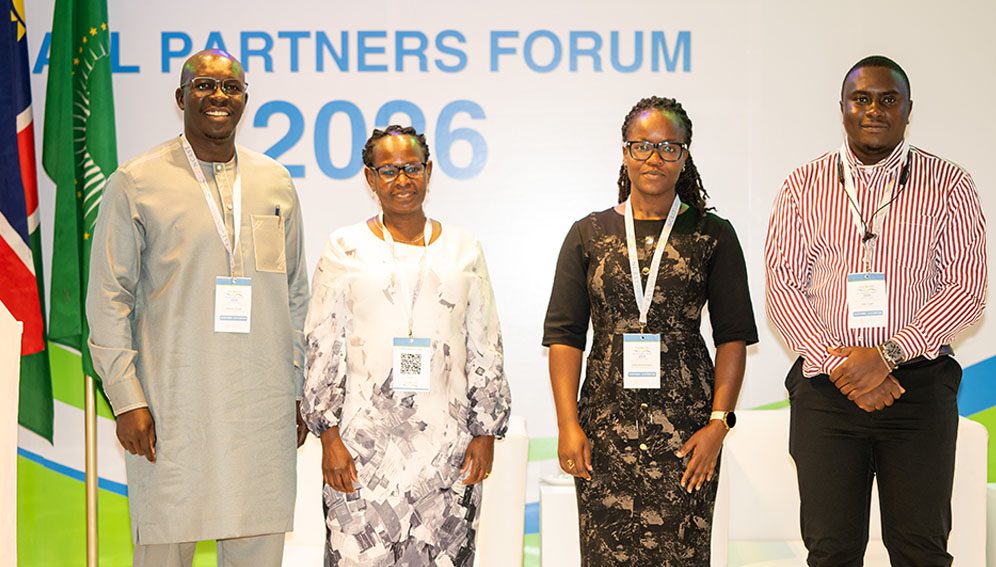
Voices from the SGCI Forum: Building an African-led science system
From calls for African-led research funding to stronger engagement with communities and governments, participants at the 2026 Science Granting Councils Initiative (SGCI) All Partners Forum left Windhoek with a shared sense that Africa’s science and innovation systems are entering a new phase. Held from 28…

NRF champions science, climate action and youth empowerment
Kenya’s National Research Fund (NRF) is strengthening efforts to connect scientific research, innovation and youth participation with practical responses to climate and environmental challenges. NRF chief executive officer Dickson Andala represented the fund at the launch of the Climate Policy and Advocacy Training – Cohort…

Windhoek Declaration: African science funders pledge to act as one
Science granting councils say Africa’s research systems need African ownership, steadier funding and less fragmentation. Here is what they agreed in Windhoek. African science granting councils adopted a collective declaration in Windhoek, Namibia, on 1 October 2026, as part of the Science Granting Councils Initiative…


SGCI funded projects

Rwanda’s integrated approach to sustainable agriculture and nutrition
Project Titles & Institution Areas of Research Number of Projects being funded Project Duration Grant Amount In-Kind Distribution Council Collaboration with other councils