SGCI News
Across much of Sub-Saharan Africa, institutions are increasingly able to attract research funding, but far fewer are equipped to manage it. One of the key challenges facing research systems across…
Across much of Sub-Saharan Africa, institutions are increasingly able to attract research funding, but far fewer are equipped to manage it.
One of the key challenges facing research systems across the continent is ensuring that effective governance, financial management, monitoring, and evaluation processes support funding mechanisms. Without these systems, research investments can struggle to achieve their full potential, limiting their contribution to national development goals and innovation agendas.
Nigeria’s Tertiary Education Trust Fund (TETFund), which plays a central role in supporting research within the country’s higher education sector, is working to strengthen these foundations. As research funding continues to grow, there is increasing recognition of the need for robust systems that can enhance accountability, improve project management, support compliance requirements, and demonstrate the impact of funded research.
Recent engagements supported through the Science Granting Councils Initiative (SGCI) have highlighted the importance of professionalising research management as a critical component of stronger national research ecosystems. Research management professionals play a vital role in supporting researchers throughout the grant lifecycle, from proposal development and budgeting to project implementation, monitoring and reporting.
Another emerging priority is the development of effective monitoring, evaluation and learning (MEL) systems. These frameworks enable funding agencies and research institutions to understand the outcomes of their investments better, generate evidence of impact, and inform future funding decisions. Strengthening MEL practices can help ensure that research addresses national priorities and contributes to social and economic development.

Financial management remains equally important. As research portfolios expand, institutions require stronger capacity in areas such as budgeting, compliance, risk management and grant administration. Effective financial oversight not only safeguards research investments but also enhances institutional credibility and competitiveness in attracting external funding.
Collaboration and partnership-building are also increasingly recognised as essential drivers of research excellence. By fostering stronger links between funding agencies, universities, research institutions and research management associations, countries can create more coordinated and responsive research systems capable of addressing complex development challenges.
These issues were at the centre of a technical assistance and learning visit held in Abuja, Nigeria, from 23–25 June 2026. Supported by SGCI and co-hosted by the Southern African Research and Innovation Management Association (SARIMA), the West African Research and Innovation Management Association (WARIMA), and TETFund, the engagement brought together more than 70 senior leaders and research management professionals from across Nigeria’s higher education and research sector.
The programme was facilitated by Akindele Olupelumi Adebiyi (Lead Research Management Expert), Eme Owoaje, representing WARIMA and Ms. Zimasa Sobuza, representing SARIMA, with support from Comfort Ukim and the TETFund team.
In his opening address, TETFund executive secretary Sunday Sylva Echono framed the underlying issue directly, saying that without stronger research funding and management systems, institutions will continue to struggle to attract and responsibly manage the investment needed to grow their research base.
Discussions explored practical approaches to strengthening research funding systems, advancing the professionalisation of research management, improving financial oversight, enhancing monitoring and evaluation practices, and building partnerships that increase research impact.
Strengthening these systems is a precondition for translating research funding into real development impact. The SGCI/STISA-2034 Multilateral Research Call is designed with this in mind, supporting research consortia across Health, Agriculture, AI/Digital, Energy, and Environment streams.

The five streams represent a shared vision for Africa’s future where science, technology, and innovation work together to solve complex development challenges.
The SGCI-STISA-2034 Multilateral Research Call is supported through a partnership of African Science Granting Councils, the International Development Research Centre (IDRC), the Government of Norway, the UK’s Foreign, Commonwealth & Development Office (FCDO), and Wellcome.
The SGCI Multilateral Research Call recognises that meaningful impact requires collaboration across countries, disciplines and institutions.
Researchers and eligible institutions are invited to explore the call, identify potential consortium partners and submit expressions of interest before the deadline of 25 September 2026 (23:59 EDT).
Learn more about the call, access the Research Matchmaking platform, and begin your application at https://call.sgci.africa/
Please check out the stories and let us know what you think. We would love to hear from you!
Let’s continue the conversation on our social media
Published on 15 July 2026
By Jackie Opara-Fatoye
Related News
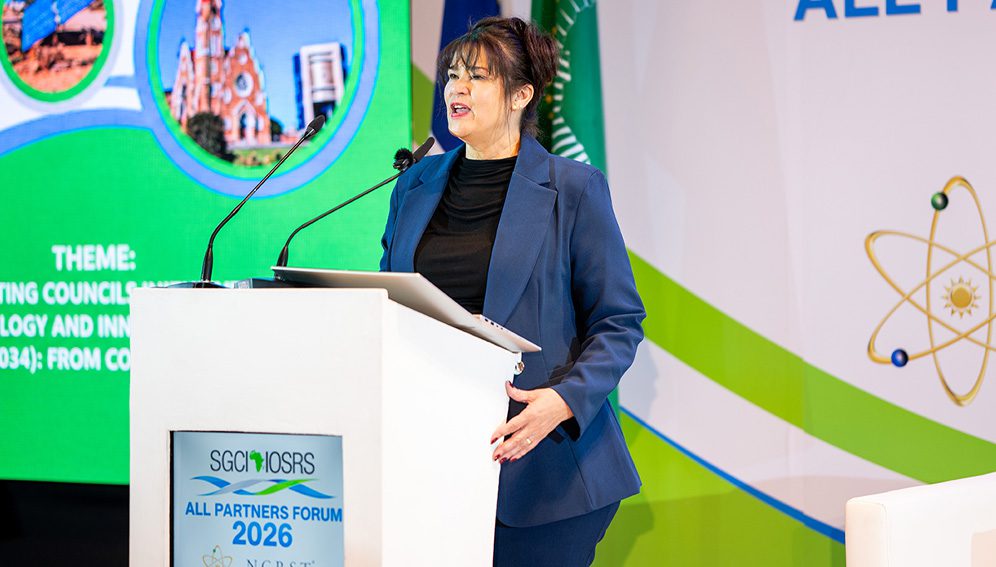
Windhoek Declaration: African science funders pledge to act as one
Science granting councils say Africa’s research systems need African ownership, steadier funding and less fragmentation. Here is what they agreed in Windhoek. African science granting councils adopted a collective declaration in Windhoek, Namibia, on 1 October 2026, as part of the Science Granting Councils Initiative…
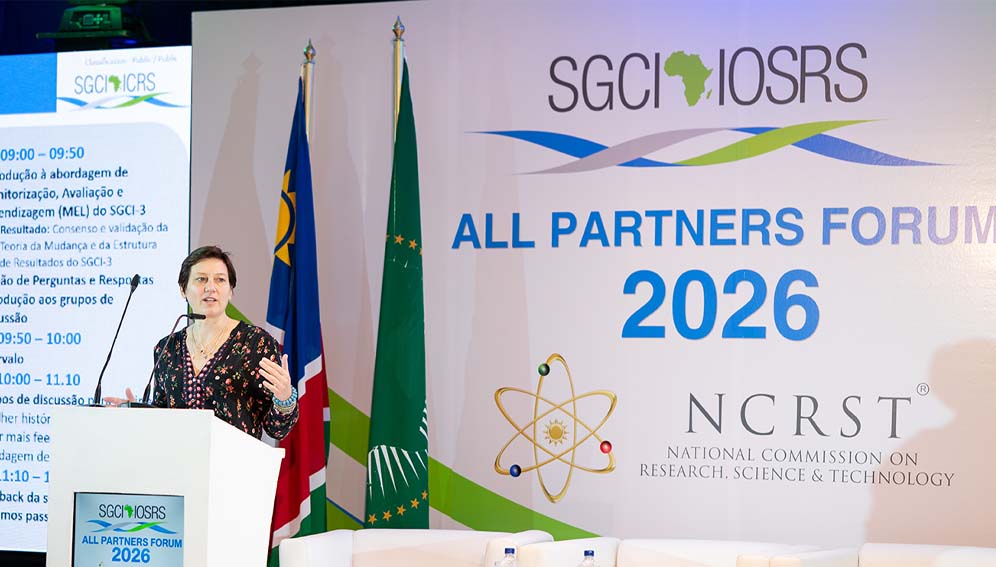
Africa’s science councils urged to turn pledges into real impact
[NAMIBIA] African countries must strengthen collaboration, invest in research and scientists, and take greater ownership of science, technology and innovation if research is to deliver lasting development impact, participants at the 2026 Science Granting Councils Initiative (SGCI) All Partners Forum have said. The call came…
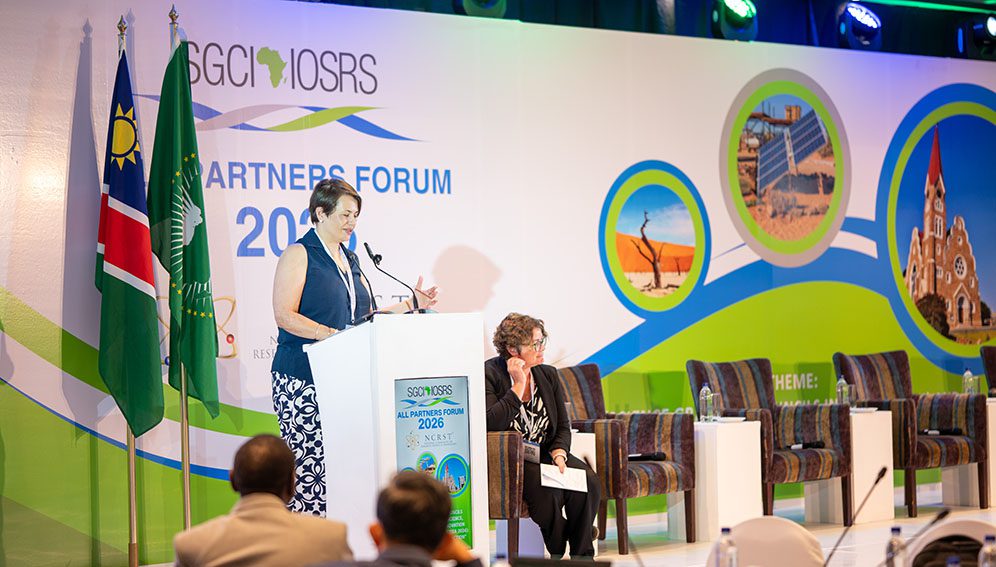
Councils urged to take ownership of SGCI-3 as forum turns to systems
[NAMIBIA]Science Granting Councils have been urged to take greater ownership of the third phase of the Science Granting Councils Initiative (SGCI-3), as partners turned their attention to the institutional systems and partnerships needed to translate the initiative’s ambitions into results. The call came during Day…
Research and Resources

SGCI funded projects

Rwanda’s integrated approach to sustainable agriculture and nutrition
Project Titles & Institution Areas of Research Number of Projects being funded Project Duration Grant Amount In-Kind Distribution Council Collaboration with other councils