SGCI News
As interest grows in the Science Granting Councils Initiative (SGCI) Multilateral Research Call, prospective applicants are encouraged to prepare early, build strong research partnerships, and take advantage of upcoming information…
As interest grows in the Science Granting Councils Initiative (SGCI) Multilateral Research Call, prospective applicants are encouraged to prepare early, build strong research partnerships, and take advantage of upcoming information sessions designed to guide researchers through the application process. advantage of information sessions designed to guide researchers through the application process.
The International Development Research Centre (IDRC) will host its first information session on the SGCI-STISA 2034 Multilateral Research Call on Thursday, July 23, from 8:00 to 10:00 AM EDT. The webinar is designed to help researchers and eligible institutions better understand the funding opportunity and prepare strong applications.
For applicants still mapping out their eligibility, consortium partners, or next steps, the webinar is designed to walk through the practical side of the call before the September deadline.
Expressions of Interest are open until 25 September 2026, giving research institutions across participating African countries an opportunity to develop collaborative projects that address some of the continent’s most pressing development challenges.
Who can apply
The call is open to African universities, public research organizations and government research institutions, including interdisciplinary teams with the capacity to manage funding and deliver impact at scale.
Applications must be submitted by Africa-led, multi-country consortia, typically comprising three to five institutions from at least three different SGCI participating countries, proposing collaborative research over a three-year period.
Private sector actors, NGOs and international partners are welcome to join a consortium, but funding under the call remains restricted to African institutions.
What the call supports
Across all five streams, proposals should align with STISA 2034 priorities and generate evidence that informs policy, strengthens science and innovation systems, and delivers tangible development impact for vulnerable and underserved communities.
How the process works
IDRC is managing the call as a two-stage competitive process. Researchers looking to identify collaborators or explore country-specific information can use the STISA-2034 Research Matchmaking platform, which is being kept up to date as the call progresses and is designed to connect researchers building or joining a consortium.
The SGCI-STISA-2034 Multilateral Research Call is supported through a partnership of African Science Granting Councils, the International Development Research Centre (IDRC), the Government of Norway, the UK’s Foreign, Commonwealth & Development Office (FCDO), and Wellcome.
What Thursday’s session covers
The information session offers applicants a chance to hear directly from the call’s organisers and ask questions ahead of the deadline. A second session is scheduled for August 13, giving applicants who miss the first session or those further along in preparing a proposal another opportunity to get their questions answered.
Researchers interested in applying are encouraged to register for the July 23 information session here. Explore the call and access the STISA-2034 Research Matchmaking platform and the application portal: https://call.sgci.africa/
Please check out the stories and let us know what you think. We would love to hear from you!
Let’s continue the conversation on our social media
Published on 21 July 2026
By Jackie Opara-Fatoye
Related News
As STISA-2034 call closes, Africa’s research councils look ahead
With the deadline for the SGCI/STISA-2034 Multilateral Call approaching on 25 September, research institutions and consortia that have not yet submitted their expressions of interest have until the end of the day to do so. The Call seeks collaborative research approaches to some of Africa’s…
Namibia project uses household data, smart meters to rethink water
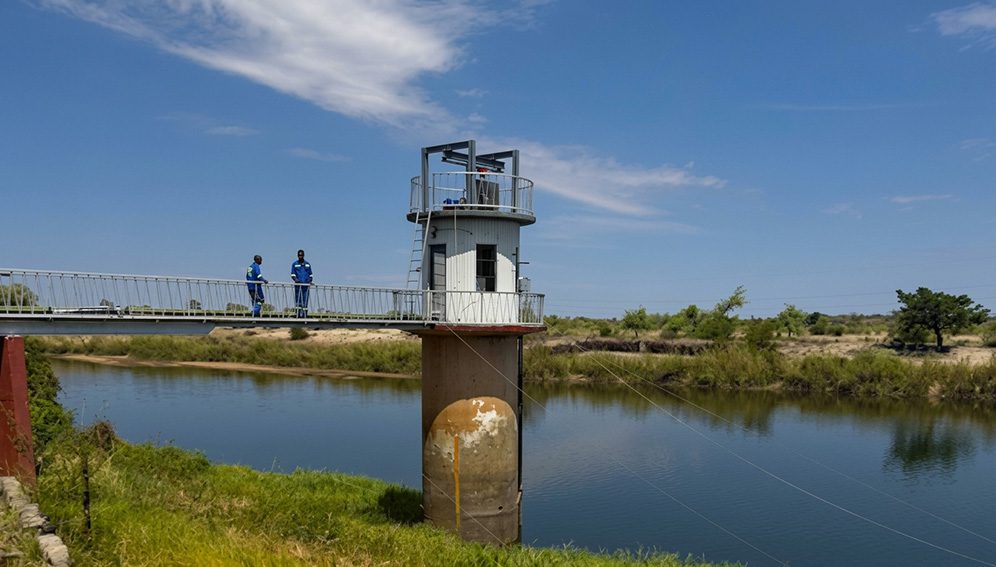
In Namibia, having water nearby does not always mean having reliable water at home. In Rundu, a growing urban centre on the perennial Okavango River, households reported the highest level of water insecurity among three towns studied by researchers. The finding illustrates a wider challenge…
From commitment to action: why the 2026 All Partners Forum matters
When partners gather in Windhoek, Namibia, for the 2026 Science Granting Councils Initiative (SGCI) All Partners Forum, they will meet at an important point in the evolution of Africa’s science, technology and innovation landscape. The Forum will be held from 28 September to 1 October…
Research and Resources

SGCI funded projects
Rwanda’s integrated approach to sustainable agriculture and nutrition
Project Titles & Institution Areas of Research Number of Projects being funded Project Duration Grant Amount In-Kind Distribution Council Collaboration with other councils