SGCI News
The Southern African Research and Innovation Management Association (SARIMA) joined the 2025 Science Granting Councils Initiative (SGCI) All Partners Forum and STISA-2034 Advocacy Meeting in Accra, Ghana, highlighting its pioneering…
The Southern African Research and Innovation Management Association (SARIMA) joined the 2025 Science Granting Councils Initiative (SGCI) All Partners Forum and STISA-2034 Advocacy Meeting in Accra, Ghana, highlighting its pioneering role in advancing research and innovation management across Sub-Saharan Africa.
Hosted by Ghana’s Ministry of Environment, Science and Technology, the week-long gathering carried the theme “SGCI @10: Marking a Decade of Partnership, Growth and Transformation in Support of Africa’s Development.”
The event opened with a 10th anniversary cocktail celebrating SGCI’s decade of impact and setting the stage for high-level advocacy, collaboration, and knowledge exchange.
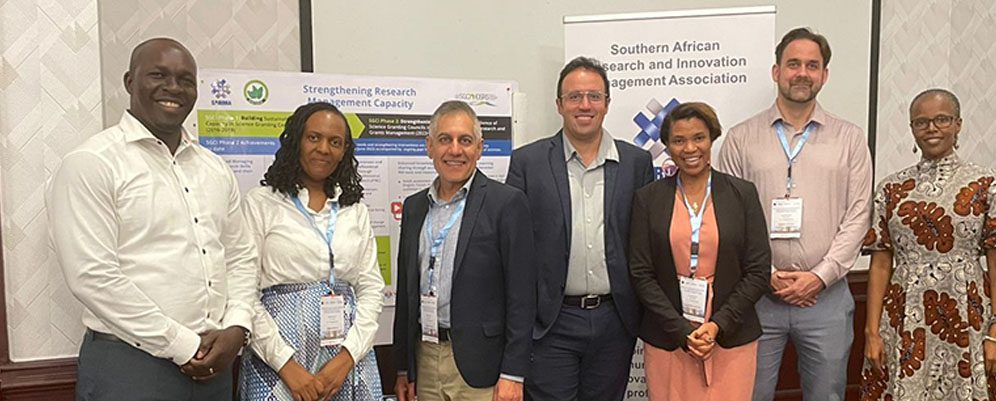
SARIMA was represented by its president,Anna Matros-Goreses, and Zimasa Sobuza, SGCI project manager. Their participation underscored SARIMA’s role in strengthening research management systems, fostering collaboration, and building capacity across the continent.
Over the past decade, SARIMA has helped pioneer professionalisation in research management, developed online grants management systems, and delivered technical assistance to Science Granting Councils.
Through training and capacity development, SARIMA has supported councils to design and digitise grants processes, improve monitoring and evaluation, and strengthen partnerships for greater research uptake and policy influence.
Reflecting on this journey, Matros-Goreses noted at the anniversary celebration: “Looking ahead, SARIMA’s contribution extends beyond this phase, empowering RIMAs collectively to steward robust, potentially digitally enabled research and innovation ecosystems across Africa.”
At the forum, Sobuza presented SARIMA’s joint work with the West African Research and Innovation Management Association (WARIMA), highlighting demand-led technical assistance provided during SGCI Phase 2.
She pointed to achievements in strengthening research funding systems, managing funded research, monitoring and evaluation, and embedding competency standards through SARIMA’s Competency Framework.
These efforts, she explained, are laying the groundwork for scalable and interoperable systems that advance evidence-based decision-making across the continent.
SARIMA also emphasised its collaborations with international professionalisation bodies, including the International Professional Recognition Council, which is helping to establish professional standards in research and innovation management across Africa.
The forum provided opportunities for SARIMA leaders to engage with WARIMA, funding partners, science granting councils, and other technical agencies.
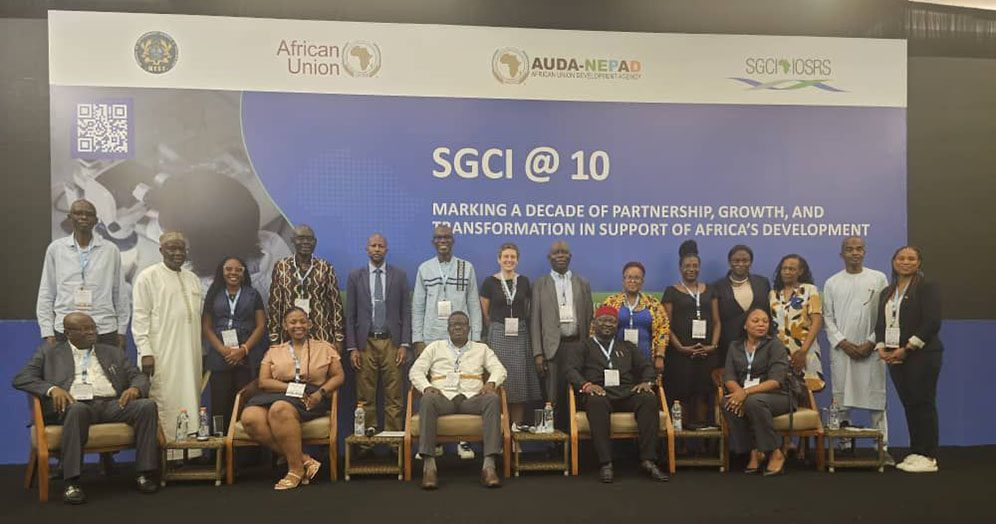
SARIMA also contributed to the Collaborating Technical Agencies’ best practices session, where project outputs, outcomes, and lessons learned were shared.
As SGCI prepares to enter Phase 3 (2026–2030), SARIMA reaffirmed its commitment to advancing professionalisation, strengthening research management capacity, and supporting the implementation of the AU-STISA 2034.
The association also welcomed the establishment of the Pan African Network of Research and Innovation Management Associations (PAN-RIMAs), which will further strengthen the continental ecosystem and amplify the impact of SGCI.
“Africa is ready to be a key player in science,” noted Brando Okolo of The African Union Development Agency-NEPAD , echoing the optimism that defined the week in Accra.
SARIMA expressed its appreciation to Ghana’s Ministry of Environment, Science and Technology, the African Centre for Technology Studies (ACTS), and all partners who helped deliver a successful 10th anniversary forum.
This news post is based on a conference summary provided by SARIMA.
Please check out the stories and let us know what you think. We would love to hear from you!
Let’s continue the conversation on our social media
Published on 25 September 2025
Related News
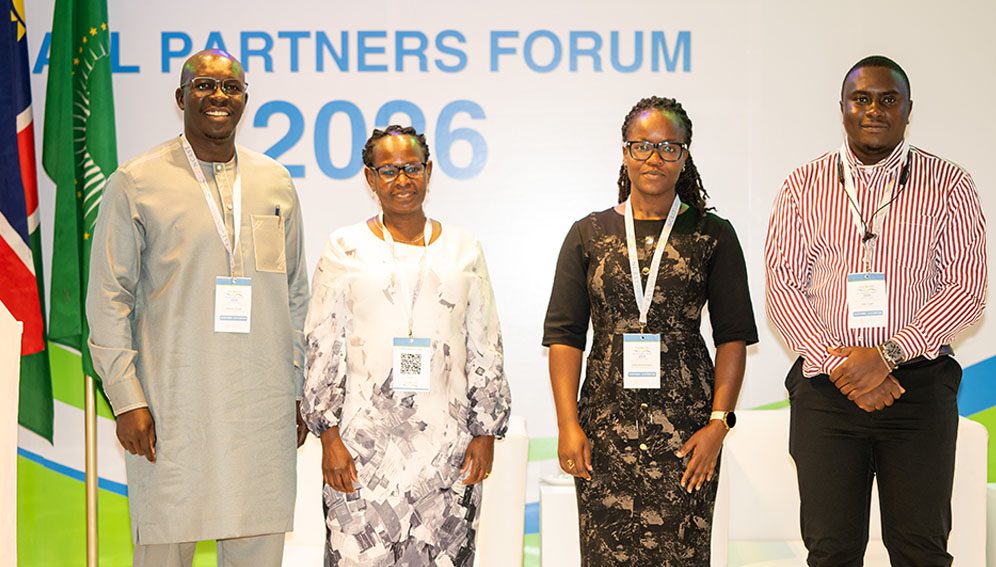
Voices from the SGCI Forum: Building an African-led science system
From calls for African-led research funding to stronger engagement with communities and governments, participants at the 2026 Science Granting Councils Initiative (SGCI) All Partners Forum left Windhoek with a shared sense that Africa’s science and innovation systems are entering a new phase. Held from 28…
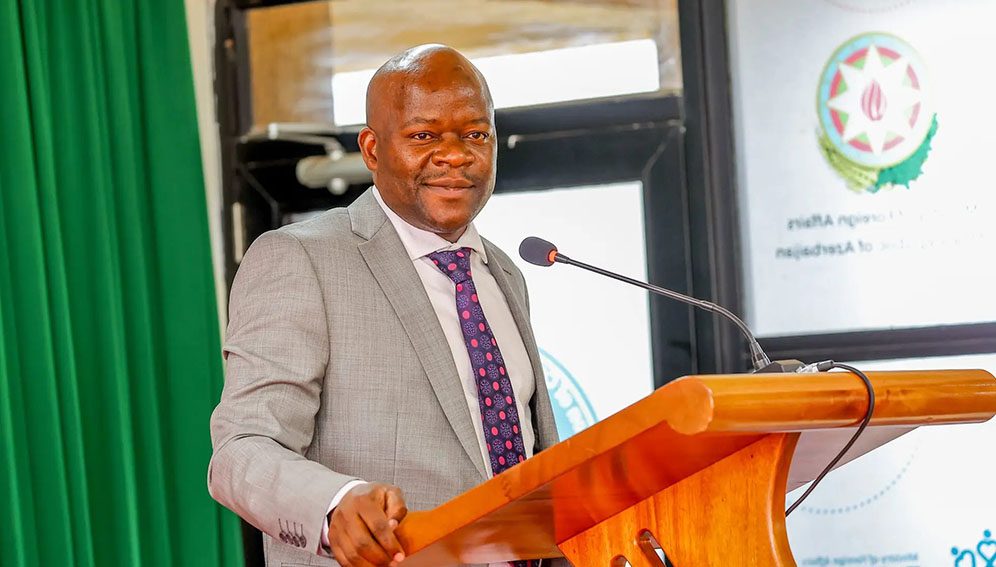
NRF champions science, climate action and youth empowerment
Kenya’s National Research Fund (NRF) is strengthening efforts to connect scientific research, innovation and youth participation with practical responses to climate and environmental challenges. NRF chief executive officer Dickson Andala represented the fund at the launch of the Climate Policy and Advocacy Training – Cohort…
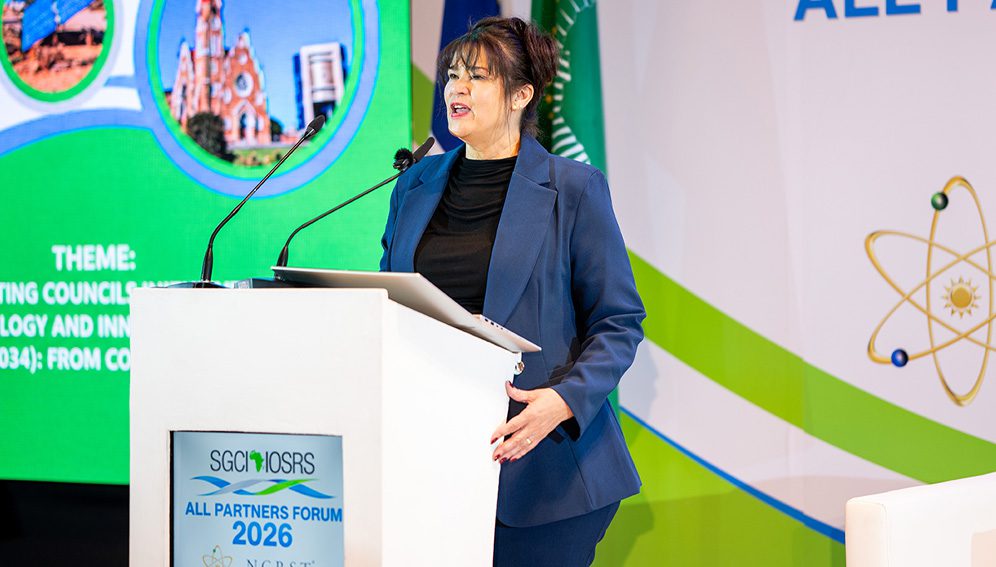
Windhoek Declaration: African science funders pledge to act as one
Science granting councils say Africa’s research systems need African ownership, steadier funding and less fragmentation. Here is what they agreed in Windhoek. African science granting councils adopted a collective declaration in Windhoek, Namibia, on 1 October 2026, as part of the Science Granting Councils Initiative…


SGCI funded projects
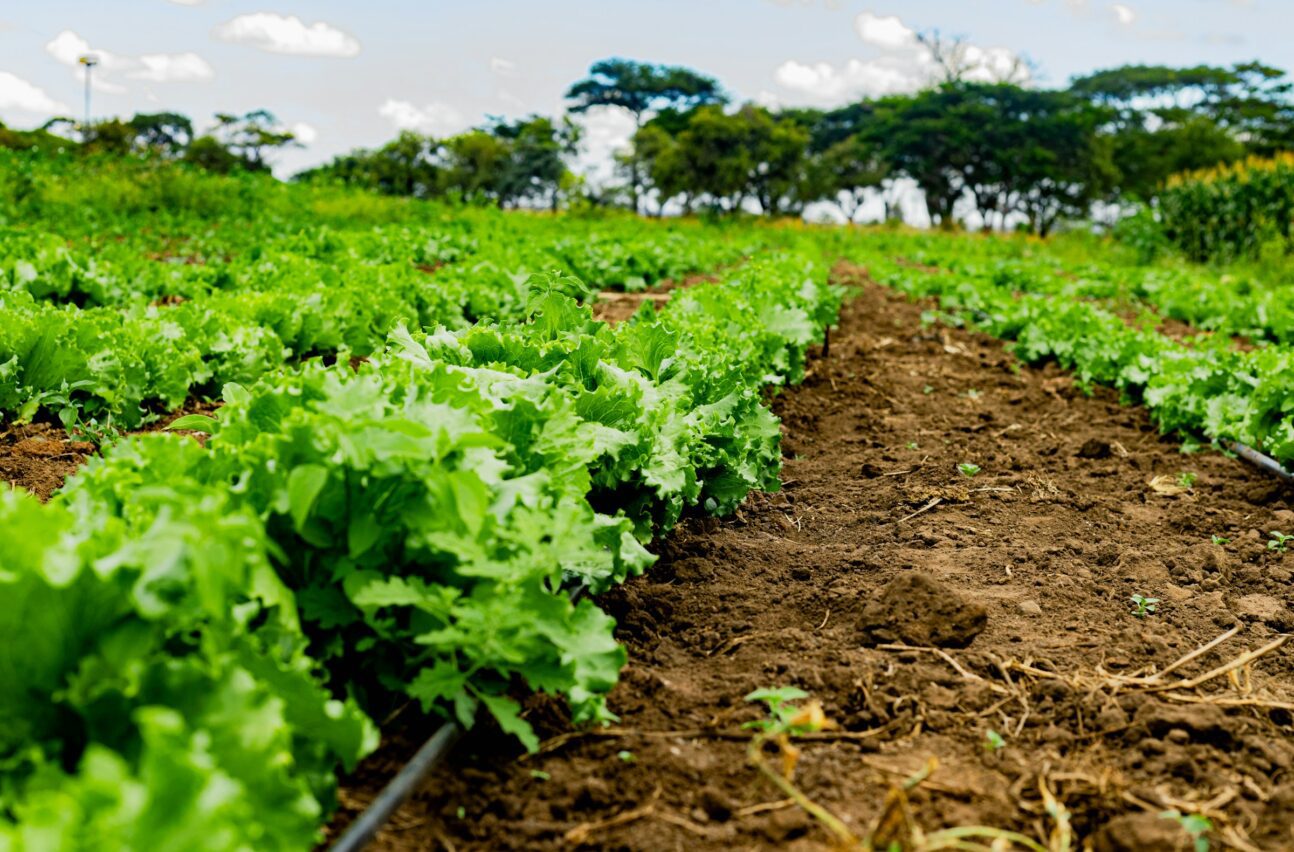
Rwanda’s integrated approach to sustainable agriculture and nutrition
Project Titles & Institution Areas of Research Number of Projects being funded Project Duration Grant Amount In-Kind Distribution Council Collaboration with other councils